



| HEADLINE |

|

Super El Niño and Bangladesh: Is the country prepared for a climate shock?
Published : Sunday, 1 November, 2026 at 5:36 PM
Aamir Al Hamza


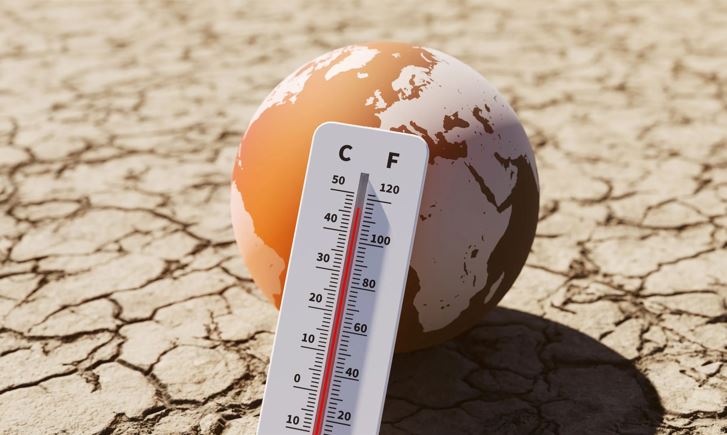
Bangladesh, already vulnerable to cyclones, floods, heatwaves, droughts and rising salinity, faces fresh climate concerns as El Niño strengthens in the Pacific. The developing 2026–27 event could add pressure in the coming months, raising questions about the country's preparedness.
In its October 8 assessment, the US National Oceanic and Atmospheric Administration (NOAA) said a strong-to-very-strong El Niño was likely to persist through January–March 2027, with the probability exceeding 83 per cent. The World Meteorological Organization (WMO) also warned that unusually warm Pacific waters could affect global temperature and rainfall patterns.
However, El Niño does not mean every part of Bangladesh will experience drought, extreme heat or flooding. It shifts the likelihood of certain climate conditions rather than determining local weather.
A global climate pattern with local consequences
El Niño is a natural climate phenomenon associated with warmer-than-average sea-surface temperatures in the central and eastern tropical Pacific Ocean. It can influence atmospheric circulation and shift rainfall and temperature patterns in different parts of the world.
The WMO's October 8 update forecast that the Niño 3.4 sea-surface temperature anomaly could reach approximately 3.7 degrees Celsius above the reference average during October–December 2026. It described the developing event as exceptionally strong. Such a development can increase the likelihood of unusual weather patterns, although the effects vary by region.
Bangladesh's climate is influenced by several interacting systems, including the South Asian monsoon, the Bay of Bengal, the Indian Ocean Dipole and regional river flows. Therefore, El Niño alone cannot provide a complete picture of the country's coming weather conditions.
A report published in researchgate in 2025, citing climate research and local experts, highlighted the possibility of higher temperatures and reduced rainfall in parts of Bangladesh during El Niño years. One study covering five coastal districts found that average maximum temperatures were about 0.5 degrees Celsius higher during El Niño years than in normal years. However, research also shows that rainfall responses differ across regions and seasons.
This uncertainty makes reliable local forecasting and early preparation particularly important.
Agriculture and food security at risk
Agriculture could be among the sectors most exposed to changing weather patterns. A prolonged dry spell, irregular rainfall or unusually high temperatures can increase irrigation demand, affect crop growth and raise production costs.
Farmers in drought-prone areas may face greater pressure to secure water for irrigation. In coastal districts, where salinity is already a serious concern, changing rainfall and water availability could further complicate agricultural planning. Small farmers, who often have limited savings and fewer options to recover from losses, are particularly vulnerable.
The risk also extends beyond domestic production. If severe weather disrupts agricultural output in major food-exporting countries, international prices of wheat, edible oils and other essential commodities could rise. Bangladesh, which depends on imports for several important food products, may then face additional pressure on its food market and household budgets.
A climate shock abroad can therefore become an economic problem at home. Higher import costs, supply-chain disruptions and rising food prices would place a disproportionate burden on low-income families already struggling with living expenses.
Heat is already an economic challenge
Bangladesh does not need to wait for El Niño to experience the consequences of extreme heat. Rising temperatures are already affecting public health, labour productivity and economic activity.
A World Bank report published in September 2025, titled An Unsustainable Life: The Impact of Heat on Health and the Economy of Bangladesh, found that the country's maximum temperature had increased by 1.1 degrees Celsius since 1980. The report also estimated that the perceived temperature, or heat index, had risen by 4.5 degrees Celsius.
The economic consequences are significant. Heat-related physical and mental health conditions were associated with the loss of an estimated 250 million workdays in 2024, costing the economy up to US$1.78 billion, or around 0.4 per cent of GDP, according to the report.
Outdoor workers, including farmers, construction workers, transport employees and day labourers, face particular risks. Extreme heat can reduce working hours, lower productivity and increase the likelihood of dehydration, heat exhaustion and other health problems.
If El Niño contributes to unusually hot conditions in the coming months, these existing pressures could become more difficult to manage.
Preparedness must go beyond disaster response
Bangladesh has made notable progress in disaster preparedness, particularly in cyclone forecasting, evacuation and the development of shelters. These achievements have helped reduce deaths from major cyclones. But climate preparedness must now extend beyond emergency response.
The country needs stronger coordination between the Bangladesh Meteorological Department, agricultural authorities, local administrations, health services and disaster-management agencies. Seasonal forecasts should be translated into practical guidance for farmers, businesses and communities.
Agricultural authorities should provide timely advice on irrigation, crop selection and planting schedules based on local forecasts. Water conservation, improved irrigation efficiency and climate-resilient crop varieties should receive greater attention, particularly in drought-prone and coastal areas.
Urban authorities also need heat-action plans. These should include public warnings, access to drinking water, shaded public spaces, protection for outdoor workers and stronger health-service readiness during extreme heat. Schools, factories and construction sites should have practical arrangements to reduce heat exposure.
The government must also strengthen food security planning. Maintaining adequate reserves, diversifying import sources and monitoring international commodity markets could help reduce the impact of disruptions in global food production.
Who will bear the cost?
Climate-related shocks rarely affect everyone equally. Poor households, small farmers, women, children and people living in exposed coastal communities often have fewer resources to adapt or recover.
The World Bank's 2025 report on climate resilience in South Asia highlighted the burden on households and businesses in Bangladesh. A survey across 250 coastal villages found that 57 per cent of households identified inadequate disaster-protection infrastructure as a major long-term challenge, while 56 per cent cited limited financial resources for adaptation.
These findings underline an important point: climate resilience cannot depend primarily on individual families finding ways to protect themselves. Public investment in embankments, drainage, shelters, water management and resilient infrastructure remains essential.
Bangladesh already has a National Adaptation Plan for 2023–2050. The challenge is to translate its priorities into properly funded projects, measurable progress and effective implementation at the local level. Climate finance must reach vulnerable communities rather than remain concentrated in policy documents and administrative processes.
Preparing before the crisis arrives
A strong El Niño does not guarantee a climate disaster in Bangladesh. Its local consequences will depend on several interacting weather systems, and forecasts will continue to evolve. But uncertainty should encourage preparation, not complacency.
Bangladesh has demonstrated that early warnings, public awareness and timely government action can save lives. The next step is to apply those lessons to heat management, agricultural planning, water security and food-market stability.
The real test of climate resilience is not how quickly a country responds after a disaster, but how effectively it reduces the damage before one occurs. As the 2026–27 El Niño develops, Bangladesh has an opportunity to strengthen its preparedness.
The country cannot control the temperature of the Pacific Ocean. It can, however, decide whether farmers receive timely advice, vulnerable workers are protected, food supplies remain secure and public institutions act before risks become emergencies. That decision may determine how costly the next climate shock becomes.

Loading...
Loading...
Also read








Editor : Iqbal Sobhan Chowdhury
Published by the Editor on behalf of the Observer Ltd. from Globe Printers, 24/A, New Eskaton Road, Ramna, Dhaka.
Editorial, News and Commercial Offices : Aziz Bhaban (2nd floor), 93, Motijheel C/A, Dhaka-1000.
Phone: PABX- 41053001-06; Advertisement: 41053012; 01793317829, 01550707291, 01550707296
E-mail: [email protected], [email protected]. [email protected], [email protected], [email protected], [email protected], Online-email: [email protected]


