



| HEADLINE |

|

‘Interior design is not a luxury; it is about improving the way we live’
Published : Friday, 13 November, 2026 at 12:00 AM
Walid Khan


 Staff Correspondent of The Daily Observer Walid Khan talks to architect Mohammad Hasanur Rahman, Chief Architect and Managing Director of Shadow Architects, about the importance of functional, affordable and sustainable interior design in Bangladesh.
The Daily Observer : Interior design is often considered a luxury in Bangladesh, particularly for wealthy families. Do you agree with this perception?
Rahman: No. This perception overlooks the real purpose of interior design. Many people associate it with expensive furniture, decorative ceilings, sophisticated lighting and costly materials. But interior design is not simply about decoration or making a home look expensive. It is about creating spaces that improve the way people live, work and interact.
With rapid urbanisation and the growing popularity of apartment living, particularly in Dhaka, homes need to be functional, comfortable and healthy. Good design should respond to the everyday needs of the people who live there.
DO : How can interior design make small apartments more comfortable?
Rahman: Limited living space is a major concern for urban families. A single apartment may need to accommodate sleeping, cooking, studying, working, relaxing and entertaining. Without proper planning, even a large apartment can feel uncomfortable because of poor furniture placement, inadequate storage and restricted movement.
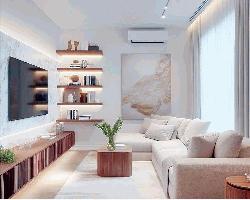
On the other hand, a small apartment can provide a comfortable living environment if the available space is used intelligently. Multifunctional furniture, built-in storage, flexible layouts and proper lighting can make a significant difference without requiring expensive renovations.
The design should also reflect the needs of the occupants. A family with young children, a couple working from home and an elderly person may require different arrangements.
DO : Many homeowners try to avoid professional design services to save money. Can this approach increase their expenses?
Rahman: It can. Starting renovation work without a proper plan may lead to unnecessary expenses. Poorly positioned electrical points, inadequate storage, unsuitable materials and incorrectly sized furniture can require costly corrections later.
Professional design helps identify these problems before construction or renovation begins. It also allows homeowners to set priorities, compare options and make informed decisions about materials and finishes.
However, professional interior design does not mean buying expensive furniture or using elaborate decorations. People with limited budgets should prioritise functional layouts, adequate lighting, durable materials and essential storage. Decorative features can be added gradually.
The important issue is not spending more, but spending wisely. An expensive interior is not necessarily a well-designed one.
 DO : How does interior design affect people's health and well-being?
Rahman: The indoor environment has a direct influence on comfort, privacy, concentration and rest. Natural daylight makes rooms more welcoming, while proper shading helps reduce glare and excessive heat.
Ventilation is equally important, particularly in Bangladesh's warm and humid climate. Homes should make the best possible use of natural airflow. Kitchens and bathrooms also need proper arrangements to remove moisture, odours and pollutants.
Noise from traffic, neighbouring apartments and household activities can affect daily comfort. Appropriate room arrangements, suitable doors and windows, and acoustic treatments can help reduce unwanted noise.
Materials should also be selected according to their durability and suitability for local weather conditions. Materials that cannot withstand humidity may deteriorate quickly and increase maintenance costs.
DO : What role can interior design play in making homes more environmentally sustainable?
Rahman: Sustainable interior design does not necessarily require expensive environmentally marketed products. It can begin with simple decisions, such as repairing existing furniture, choosing durable materials, reducing unnecessary demolition and avoiding short-lived decorative trends.
Energy-efficient lighting, appropriate shading and thoughtful appliance placement can also help reduce energy consumption.
Material selection should consider moisture exposure, maintenance requirements, expected service life and indoor air quality. A sustainable interior is one that remains useful, adaptable and comfortable for a long time.
This approach can reduce unnecessary renovation and replacement costs while benefiting the environment.
DO : What should homeowners consider before starting an interior design project?
Rahman: Homeowners should first establish a realistic budget, identify their priorities and explain their everyday needs to the designer. They should also ask for clear drawings, material specifications, cost breakdowns and an agreed scope of work.
These steps can help prevent misunderstandings during implementation.
Designers also have responsibilities. They should communicate transparently, respect the client's financial limitations and explain the reasons behind their recommendations. They should not promote unnecessary features simply to make a project look more impressive.
A good relationship between an architect and a client should be based on trust, informed decisions and a shared commitment to quality.
DO : What changes are needed in Bangladesh's approach to interior design?
Rahman: Bangladesh needs a broader understanding of interior design. Greater importance should be given to functionality, adaptability, sustainability and human well-being rather than visual extravagance.
The success of an interior should not be measured by how expensive it looks in photographs. It should be judged by how effectively it serves the people who use it every day. A thoughtfully designed home can improve movement, ensure privacy, support family interaction and reduce unnecessary expenses.
Interior design is not about making a home look expensive. It is about making the experience of living better. As Bangladesh continues to urbanise, this understanding can help create homes that are more practical, inclusive and sustainable.

Loading...
Loading...
Also read



Editor : Iqbal Sobhan Chowdhury
Published by the Editor on behalf of the Observer Ltd. from Globe Printers, 24/A, New Eskaton Road, Ramna, Dhaka.
Editorial, News and Commercial Offices : Aziz Bhaban (2nd floor), 93, Motijheel C/A, Dhaka-1000.
Phone: PABX- 41053001-06; Advertisement: 41053012; 01793317829, 01550707291, 01550707296
E-mail: [email protected], [email protected]. [email protected], [email protected], [email protected], [email protected], Online-email: [email protected]


