



| HEADLINE |

|
With hope and trust, nation welcomes new government
Published : Tuesday, 17 February, 2026 at 12:00 AM
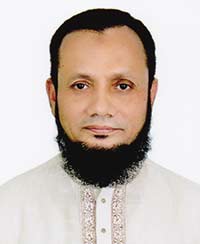
MIR MOSHARREF HOSSAIN PAKBIR


 The 13th National Parliament Election of Bangladesh, held on 12 February 2026, will be remembered as a defining chapter in the country's democratic journey. Conducted in a largely peaceful and festive atmosphere, the election saw moderate voter participation amid high expectations. After years of political turbulence and institutional reforms following the mass uprising of August 2024, citizens approached the ballot with cautious optimism. The results delivered a decisive mandate: the BNP-led alliance, under Tarique Rahman, secured more than a two-thirds majority in parliament. This sweeping victory signals public endorsement and a profound transfer of responsibility.
The newly elected Members of Parliament are set to take oath today (17 February 2026), with the cabinet to be formed the same day. As Tarique Rahman prepares to assume office as Prime Minister, national expectations rest heavily upon him. A two-thirds majority offers legislative strength but raises the standard of performance. The people have extended trust; in return, they expect measurable progress.
This election stands out not only for its outcome but also for its context. Bangladesh has traversed a volatile political landscape marked by protests, governance reforms, and economic strain. The peaceful conduct of the election under interim leader Muhammad Yunus deserves appreciation. His administration ensured an orderly transition and upheld democratic continuity at a critical juncture. Yet moderate turnout reflects lingering skepticism. Some citizens remain wary after years of polarization and instability. The new government must therefore govern effectively while rebuilding trust among those who stayed away.
The ascent of Tarique Rahman carries deep historical resonance. As the eldest son and only living child of Late President Ziaur Rahman and Late Prime Minister Khaleda Zia, he inherits a powerful political legacy. Ziaur Rahman shaped Bangladesh's post-independence political order, and Khaleda Zia's tenure firmly established their family in national politics. Tarique Rahman's career has not been without controversy or hardship. His 17-year exile shaped his public image and political narrative. Upon returning, he emphasized reconciliation, democratic restoration, and people-centered governance. Supporters view him as resilient and committed to reviving democratic norms. His humility and grassroots engagement have strengthened his appeal, especially among younger voters seeking stability.
However, legacy alone cannot sustain governance. The moral capital inherited from his parents must translate into practical achievements, and some glimpses have appeared in his shared plans and visions. In public statements and the party manifesto, Tarique Rahman identified urgent priorities: restoring law and order, improving economic performance, recalibrating foreign policy, and strengthening democratic practices.
Bangladesh faces a fragile security environment marked by sporadic violence, mob activity, drug trafficking, extortion, and corruption allegations. Without firm action, instability could undermine recovery and cohesion. The government must empower law enforcement to operate professionally and impartially. Institutional reform, police modernization, judicial efficiency, and zero tolerance for organized crime are essential.
Economic challenges loom large. Slowing GDP growth, pressure on foreign reserves, inflation, and cautious investors demand urgent attention. The government must stimulate production, diversify exports, attract foreign direct investment, and restore macroeconomic stability. Fiscal discipline, banking reform, and transparent procurement can rebuild confidence. Bangladesh's demographic dividend remains a key asset, but it requires job creation, skills development, and technological modernization. Investment in infrastructure, renewable energy, and industrial productivity will determine whether the economy regains momentum.
Foreign relations represent another critical frontier. In recent years, strained ties with neighbors and development partners have limited diplomatic flexibility. Inexperience and inconsistency within foreign offices reportedly weakened Bangladesh's ability to safeguard national interests. The new Prime Minister must professionalize diplomatic appointments, prioritize merit-based Foreign Service leadership, and pursue balanced engagement with regional and global stakeholders. Constructive relationships with neighbors are vital for trade, security, and energy connectivity, while development partners remain crucial for infrastructure financing and reform support. Addressing the Rohingya refugee crisis, including repatriation, must also remain a top priority of our foreign policy. A pragmatic, interest-driven foreign policy-free from ideological rigidity-can restore confidence and expand opportunity.
Restoring democratic instruments requires more than holding elections. Parliament must function as a forum for debate rather than confrontation. Independent institutions, media freedom, and civil society participation should be encouraged, while the government must guard against undue pressure or disruptive agitation that undermines stability. Democracy flourishes when dissent is constructive, not coercive.
Despite electoral victory, the political climate remains volatile. Bangladesh continues to grapple with polarization and confrontational politics. Mob actions, spontaneous protests, and populist demands threaten governance continuity. Managing these dynamics demands patience, dialogue, and firmness. Opposition parties, including Bangladesh Jamaat-e-Islami and the National Citizen Party (NCP), may challenge initiatives inside and outside parliament. While healthy opposition is essential, obstructionist tactics could destabilize fragile recovery. The government must combine inclusivity with principled resolve.
Stability is the bedrock of progress. Investors, entrepreneurs, and citizens require a predictable security environment. Violence, extortion, and drug networks erode trust and deter economic activity. A firm yet rights-respecting crackdown will affirm the rule of law. The new government should launch a 100-days action plan to signal priorities. To curb crime and restore order, local governments could prepare lists of unemployed people at every upazila, union, and village. Such data would clarify unemployment demographics and help design targeted employment and social benefits, reducing antisocial activities. Equally important is depoliticizing security institutions. Professional policing and an independent judiciary foster confidence across divides. Restoring public safety would unlock broader economic and social gains.
Economic performance will define legitimacy. Rising living costs and unemployment have strained households. The administration must pursue comprehensive reform: stabilizing reserves, promoting export-led growth, boosting agriculture, and supporting small and medium enterprises. Transparency and anti-corruption measures are vital to reassure investors. Clear regulations, digital governance, and streamlined approvals can enhance competitiveness. Sustainable GDP growth translates into jobs, income security, and better living standards. Tarique Rahman's proposed 'Family Card' could also ease hardship for vulnerable citizens.
A diplomatic reset is imperative. Bangladesh's geography requires balanced regional engagement. Experienced diplomats should lead key missions, and economic diplomacy-focused on trade, technology transfer, and infrastructure financing-must be central. The Prime Minister's engagement with regional leaders can rebuild trust and expand cooperation. Credibility stems from consistency, professionalism, and consensus on core interests. Revitalizing forums like SAARC can position Bangladesh and the new government as regional leaders in peace and progress.
Opposition parties such as Bangladesh Jamaat-e-Islami and the National Citizen Party have the right to critique policies but also share responsibility for stability. Constructive engagement in committees and reform debates would strengthen democratic resilience. Political actors must transcend zero-sum rivalry. If opposition forces help restore order and recovery, they will earn public respect; destabilizing agitation would undermine collective progress.
The decisive mandate granted to Tarique Rahman is both endorsement and test. Public hopes, shaped by family legacy and reform promises, are immense. Success will depend on disciplined governance, institutional strengthening, and inclusive leadership. Bangladesh stands at a crossroads. With strong parliamentary backing, the government can enact transformative reforms. If order is restored, the economy revitalized, diplomacy recalibrated, and democratic norms strengthened, this administration could mark a new era of stability and growth.
As the nation congratulates Prime Minister Tarique Rahman and his cabinet, it also extends gratitude to Dr. Muhammad Yunus and his interim administration for facilitating a peaceful transition. Democratic continuity is a shared achievement. The coming years demand resilience, wisdom, and unity. Guided by national interest above partisan concerns, the government can convert electoral victory into lasting progress.
We once again congratulate Tarique Rahman and his government, placing our trust in their commitment to steer Bangladesh toward progress and development. We hope the nation and its people will reach new heights in the years ahead.
The writer is Chief Editor at Mohammadi News Agency (MNA) and Editor at Kishore Bangla
Loading...
Loading...
Also read



Editor : Iqbal Sobhan Chowdhury
Published by the Editor on behalf of the Observer Ltd. from Globe Printers, 24/A, New Eskaton Road, Ramna, Dhaka.
Editorial, News and Commercial Offices : Aziz Bhaban (2nd floor), 93, Motijheel C/A, Dhaka-1000.
Phone: PABX- 41053001-06; Advertisement: 41053012; 01793317829, 01550707291, E-mail: [email protected], [email protected] Online: email: [email protected] 41053014; 01550707297 Advertisement: 01550707296
Published by the Editor on behalf of the Observer Ltd. from Globe Printers, 24/A, New Eskaton Road, Ramna, Dhaka.
Editorial, News and Commercial Offices : Aziz Bhaban (2nd floor), 93, Motijheel C/A, Dhaka-1000.
Phone: PABX- 41053001-06; Advertisement: 41053012; 01793317829, 01550707291, E-mail: [email protected], [email protected] Online: email: [email protected] 41053014; 01550707297 Advertisement: 01550707296


