



| HEADLINE |

|
Challenges for our women journos
Published : Monday, 22 June, 2026 at 12:00 AM
Shahiduzzaman


 The advancement of women in journalism is essential for strengthening democracy, promoting inclusive development, and ensuring diverse representation in the media. Yet in Bangladesh, women journalists continue to face significant barriers that hinder their full participation and professional growth. Despite constitutional guarantees of equality and notable progress in women's empowerment across various sectors, the media industry remains largely male-dominated, with women significantly underrepresented in reporting, investigative journalism, and leadership positions.
Creating a sustainable and supportive environment for women journalists is therefore an urgent necessity. Media organizations must establish safe, inclusive, and gender-sensitive workplaces, ensure equal opportunities for recruitment and career advancement, and adopt zero-tolerance policies against harassment and discrimination. Government ministries and regulatory bodies also have an important role to play in monitoring compliance, enforcing legal protections, and promoting gender equality within the media sector. Without meaningful reforms, many talented women may remain reluctant to enter or continue in journalism.
Bangladesh is widely recognized as a secular republic, and its Constitution guarantees equal rights for all citizens regardless of gender, religion, or social background. However, these constitutional principles are not always reflected in practice. Although women have made significant achievements in education, public service, business, and politics, many continue to face barriers in exercising their rights and participating equally in socioeconomic, political, and cultural life. The challenges experienced by women journalists are part of this broader reality.
Research indicates that women constitute only a small proportion of the journalism workforce in Bangladesh. Their participation is particularly limited in field reporting and investigative journalism, where men continue to dominate. While women have become increasingly visible in television broadcasting and digital media platforms, their representation in editorial and decision-making positions remains disproportionately low. This imbalance not only affects gender equality within the profession but also influences the diversity of perspectives reflected in media coverage.
The professional environment for many women journalists remains challenging. Within newsrooms, women often encounter discrimination, unequal opportunities, wage disparities, and various forms of harassment. Many incidents go unreported due to fear of retaliation, loss of employment, damage to professional reputation, or social stigma. The absence of effective reporting and accountability mechanisms allows such practices to continue unchecked.
Outside the workplace, the risks are often even greater. Women journalists covering politics, elections, corruption, human rights, environmental issues, and other sensitive topics frequently face intimidation, threats, and attempts to silence their reporting. The rapid expansion of digital platforms has created additional challenges. Online harassment, cyberbullying, character assassination, and gender-based abuse have become increasingly common tools used to target women journalists. Such attacks are often designed not only to intimidate individuals but also to discourage women from participating in public discourse and exercising their right to freedom of expression.
Another serious concern in Bangladesh is pressure from conservative and religiously motivated groups that oppose the active participation of women in public life. Women journalists reporting on gender equality, secularism, minority rights, or social justice issues may become particular targets of threats and intimidation. Such actions create a climate of fear and insecurity that restricts both professional freedom and personal safety.
These challenges are not unique to Bangladesh. Around the world, women journalists face disproportionate levels of harassment and violence. International studies have shown that online abuse against women journalists has become a global crisis, affecting their mental health, professional performance, and personal security. The international community has repeatedly emphasized that attacks on women journalists are attacks on press freedom itself. When women are silenced, societies lose important voices, perspectives, and information essential for democratic governance.
Despite these obstacles, women journalists in Bangladesh have made remarkable contributions to society. They have played a critical role in reporting on social justice, public health, education, labour rights, climate change, gender equality, and human development. Their work has helped bring the concerns of marginalized communities into national discussions and has strengthened public awareness on issues that might otherwise remain neglected. Their achievements demonstrate professionalism, resilience, and a commitment to public service despite difficult working conditions.
Experiences from other countries demonstrate that meaningful progress is possible. Nations such as Sweden, Canada, and several European countries have introduced gender-sensitive newsroom policies, workplace safety standards, institutional accountability mechanisms, and comprehensive procedures for addressing harassment. These measures have contributed to creating safer and more inclusive media environments while increasing women's participation in leadership positions.
Bangladesh can learn valuable lessons from these examples. While constitutional protections for equality and freedom of expression already exist, the country still lacks a comprehensive national framework specifically designed to address gender equality and safety within the media sector. Many media organizations continue to operate without clear policies on workplace harassment, gender-sensitive reporting practices, or support mechanisms for women facing threats and abuse.
The consequences of this policy gap are far-reaching. It discourages women from pursuing journalism as a career, contributes to the loss of talented professionals, and limits diversity within the media landscape. A media sector that fails to fully include women cannot adequately represent the experiences, concerns, and aspirations of society as a whole.
Addressing these challenges requires coordinated action from government institutions, media owners, journalist associations, civil society organizations, and development partners. The government should develop a national framework for journalist safety that incorporates a strong gender perspective. Existing laws should be strengthened where necessary, and effective accountability mechanisms must be established to ensure justice in cases of harassment, threats, and violence against journalists.
The future of press freedom in Bangladesh depends on the ability of all journalists, regardless of gender, to perform their professional duties without intimidation. Women journalists have already demonstrated extraordinary courage and dedication despite numerous challenges. Their struggles should not be accepted as a normal part of the profession. Instead, they should serve as a call to action for meaningful reform.
Ensuring the safety, dignity, and empowerment of women journalists is not merely a matter of gender equality. It is a prerequisite for democratic governance, inclusive development, media diversity, and the protection of truth. Only when women journalists are able to work on an equal footing with their male colleagues can Bangladesh fully realize the principles of press freedom and democratic participation enshrined in its Constitution.
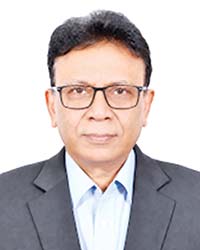
The writer is Editor and CEO of News Network
Loading...
Loading...
Also read



Editor : Iqbal Sobhan Chowdhury
Published by the Editor on behalf of the Observer Ltd. from Globe Printers, 24/A, New Eskaton Road, Ramna, Dhaka.
Editorial, News and Commercial Offices : Aziz Bhaban (2nd floor), 93, Motijheel C/A, Dhaka-1000.
Phone: PABX- 41053001-06; Advertisement: 41053012; 01793317829, 01550707291, E-mail: [email protected], [email protected] Online: email: [email protected] 41053014; 01550707297 Advertisement: 01550707296
Published by the Editor on behalf of the Observer Ltd. from Globe Printers, 24/A, New Eskaton Road, Ramna, Dhaka.
Editorial, News and Commercial Offices : Aziz Bhaban (2nd floor), 93, Motijheel C/A, Dhaka-1000.
Phone: PABX- 41053001-06; Advertisement: 41053012; 01793317829, 01550707291, E-mail: [email protected], [email protected] Online: email: [email protected] 41053014; 01550707297 Advertisement: 01550707296


