



| HEADLINE |

|

Europe’s deadly heatwave claims 2,000 extra deaths in France
Published : Friday, 3 July, 2026 at 9:34 PM
Observer Online Report


Collected Photo
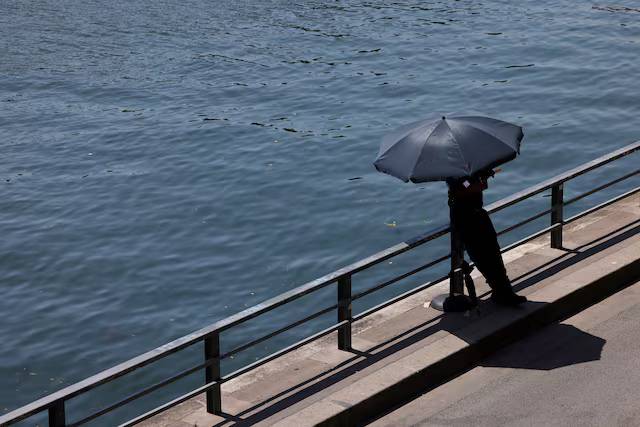
Europe is once again facing the threat of intense heat as weather agencies warn of another surge in temperatures across the continent, following a deadly June heatwave that has already claimed thousands of additional lives.
France reported more than 2,000 extra deaths during the final week of June after experiencing one of the most severe heatwaves in its history. According to the country’s Public Health agency, 2,025 more people died between June 22 and 28, a nearly 30% increase compared with the previous week. In the Paris region alone, deaths rose by 62%.
French Health Minister Stéphanie Rist said there had been a significant rise in fatalities among people aged over 45. She also cautioned that the official figures are likely to underestimate the true death toll, with further assessments expected to reveal higher mortality.
The extreme weather peaked on June 24, when France recorded its hottest nationwide average temperature on record. Paris approached 41°C, while nearly half of the country was placed under the highest-level red heat alert.
The soaring temperatures also led to a sharp increase in drowning incidents. French Interior Minister Laurent Nuñez said 72 people had drowned since June 18, highlighting another tragic consequence of the prolonged heat.
Meteorologists are now forecasting another spell of exceptionally hot weather across Europe. A large high-pressure system developing from the Azores toward Portugal and Spain is expected to push temperatures higher across France and southern Britain over the weekend.
Southern France could once again see temperatures reach 40°C, with cities including Bordeaux, Toulouse and Agen forecast to experience highs between 36°C and 37°C.
France’s national weather service, Météo-France, has issued red wildfire warnings for Friday and Saturday in the country’s southern regions, citing an exceptionally high fire risk. Prime Minister Sebastien Lecornu said nearly 7,000 wildfires have erupted since the beginning of the summer season, burning around 8,700 hectares of land.
On Thursday, almost 3,000 residents were forced to evacuate after a wildfire spread from Sainte-Marie-la-Mer to Canet-en-Roussillon.
The deadly heat has affected several other European countries. Belgium recorded 1,222 excess deaths during the heatwave, representing a 39% increase over normal levels, with nearly half of the victims aged 85 or older. Belgian health officials described the mortality level as unprecedented.
The Netherlands also reported around 480 excess deaths during last week’s extreme temperatures, with most victims aged 80 and above. Temperatures climbed close to 40°C, particularly in the southern and eastern parts of the country, where the majority of deaths occurred.
Although cooler weather is expected in the Netherlands this week, forecasters warn that another round of high temperatures is likely to affect parts of Europe over the weekend.
On the Iberian Peninsula, Spain and Portugal are also preparing for another heatwave. Portugal has declared a nationwide state of alert until midnight Tuesday, with temperatures expected to exceed 40°C in several areas and nighttime temperatures remaining above 25°C.
In Spain, orange heat alerts have been issued for parts of the southwest, where temperatures are also forecast to reach 40°C.
Scientists continue to warn that climate change is intensifying heat extremes worldwide. Europe is warming faster than any other continent, with temperatures rising at roughly twice the global average, according to the Copernicus Climate Change Service. The trend is contributing to more frequent and severe heatwaves, increasing pressure on water resources, and creating conditions for more destructive wildfires.
Across the Atlantic, millions of Americans celebrating the July Fourth holiday weekend are also experiencing prolonged periods of extreme heat and high humidity across parts of the central and eastern United States.
France reported more than 2,000 extra deaths during the final week of June after experiencing one of the most severe heatwaves in its history. According to the country’s Public Health agency, 2,025 more people died between June 22 and 28, a nearly 30% increase compared with the previous week. In the Paris region alone, deaths rose by 62%.
French Health Minister Stéphanie Rist said there had been a significant rise in fatalities among people aged over 45. She also cautioned that the official figures are likely to underestimate the true death toll, with further assessments expected to reveal higher mortality.
The extreme weather peaked on June 24, when France recorded its hottest nationwide average temperature on record. Paris approached 41°C, while nearly half of the country was placed under the highest-level red heat alert.
The soaring temperatures also led to a sharp increase in drowning incidents. French Interior Minister Laurent Nuñez said 72 people had drowned since June 18, highlighting another tragic consequence of the prolonged heat.
Meteorologists are now forecasting another spell of exceptionally hot weather across Europe. A large high-pressure system developing from the Azores toward Portugal and Spain is expected to push temperatures higher across France and southern Britain over the weekend.
Southern France could once again see temperatures reach 40°C, with cities including Bordeaux, Toulouse and Agen forecast to experience highs between 36°C and 37°C.
France’s national weather service, Météo-France, has issued red wildfire warnings for Friday and Saturday in the country’s southern regions, citing an exceptionally high fire risk. Prime Minister Sebastien Lecornu said nearly 7,000 wildfires have erupted since the beginning of the summer season, burning around 8,700 hectares of land.
On Thursday, almost 3,000 residents were forced to evacuate after a wildfire spread from Sainte-Marie-la-Mer to Canet-en-Roussillon.
The deadly heat has affected several other European countries. Belgium recorded 1,222 excess deaths during the heatwave, representing a 39% increase over normal levels, with nearly half of the victims aged 85 or older. Belgian health officials described the mortality level as unprecedented.
The Netherlands also reported around 480 excess deaths during last week’s extreme temperatures, with most victims aged 80 and above. Temperatures climbed close to 40°C, particularly in the southern and eastern parts of the country, where the majority of deaths occurred.
Although cooler weather is expected in the Netherlands this week, forecasters warn that another round of high temperatures is likely to affect parts of Europe over the weekend.
On the Iberian Peninsula, Spain and Portugal are also preparing for another heatwave. Portugal has declared a nationwide state of alert until midnight Tuesday, with temperatures expected to exceed 40°C in several areas and nighttime temperatures remaining above 25°C.
In Spain, orange heat alerts have been issued for parts of the southwest, where temperatures are also forecast to reach 40°C.
Scientists continue to warn that climate change is intensifying heat extremes worldwide. Europe is warming faster than any other continent, with temperatures rising at roughly twice the global average, according to the Copernicus Climate Change Service. The trend is contributing to more frequent and severe heatwaves, increasing pressure on water resources, and creating conditions for more destructive wildfires.
Across the Atlantic, millions of Americans celebrating the July Fourth holiday weekend are also experiencing prolonged periods of extreme heat and high humidity across parts of the central and eastern United States.

Loading...
Loading...
Also read








Editor : Iqbal Sobhan Chowdhury
Published by the Editor on behalf of the Observer Ltd. from Globe Printers, 24/A, New Eskaton Road, Ramna, Dhaka.
Editorial, News and Commercial Offices : Aziz Bhaban (2nd floor), 93, Motijheel C/A, Dhaka-1000.
Phone: PABX- 41053001-06; Advertisement: 41053012; 01793317829, 01550707291, E-mail: [email protected], [email protected] Online: email: [email protected] 41053014; 01550707297 Advertisement: 01550707296
Published by the Editor on behalf of the Observer Ltd. from Globe Printers, 24/A, New Eskaton Road, Ramna, Dhaka.
Editorial, News and Commercial Offices : Aziz Bhaban (2nd floor), 93, Motijheel C/A, Dhaka-1000.
Phone: PABX- 41053001-06; Advertisement: 41053012; 01793317829, 01550707291, E-mail: [email protected], [email protected] Online: email: [email protected] 41053014; 01550707297 Advertisement: 01550707296


