



| HEADLINE |

|
How a failed coup reshaped Türkiye a decade later


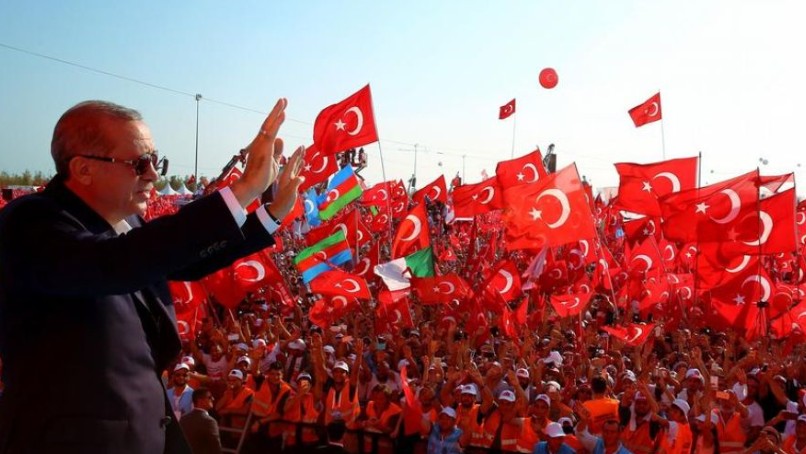
A failed military coup that lasted only a few hours on July 15, 2016, has had a lasting impact on Türkiye, transforming its political system, security policies and civil institutions over the past decade.
The attempted coup, which left 253 people dead, was thwarted after President Recep Tayyip Erdoğan urged citizens to take to the streets. The government blamed the plot on the network of US-based cleric Fethullah Gülen, who denied involvement until his death in 2024.
In the aftermath, Ankara imposed a state of emergency that remained in force until 2018 and launched one of the largest purges in the country's modern history. Tens of thousands of military personnel, judges, police officers, academics and civil servants were arrested, dismissed or suspended, while hundreds of educational institutions were shut down.
The coup attempt also paved the way for sweeping constitutional reforms. In a 2017 referendum, Türkiye adopted an executive presidential system, abolishing the post of prime minister and significantly expanding the powers of the presidency. Supporters argue the changes strengthened political stability, while critics say they concentrated excessive power in the hands of President Erdoğan.
Human rights groups have since raised concerns over judicial independence, press freedom and freedom of expression. According to the 2026 Reporters Without Borders World Press Freedom Index, Türkiye ranks 163rd out of 180 countries.
The military's role in politics has also diminished following structural reforms that placed the armed forces firmly under civilian control. Analysts view the changes as effectively ending the era of military interventions in Turkish politics.
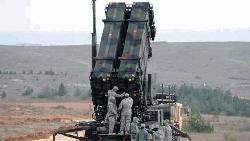
The failed coup further shaped Türkiye's foreign policy, prompting a stronger focus on national security and military operations while expanding defence ties with Russia, despite remaining a key NATO member.
The developments underscore how a coup attempt that lasted only a single night continues to influence Türkiye's domestic politics and international relations a decade later.
Loading...
Loading...
Also read

Editor : Iqbal Sobhan Chowdhury
Published by the Editor on behalf of the Observer Ltd. from Globe Printers, 24/A, New Eskaton Road, Ramna, Dhaka.
Editorial, News and Commercial Offices : Aziz Bhaban (2nd floor), 93, Motijheel C/A, Dhaka-1000.
Phone: PABX- 41053001-06; Advertisement: 41053012; 01793317829, 01550707291, E-mail: [email protected], [email protected] Online: email: [email protected] 41053014; 01550707297 Advertisement: 01550707296
Published by the Editor on behalf of the Observer Ltd. from Globe Printers, 24/A, New Eskaton Road, Ramna, Dhaka.
Editorial, News and Commercial Offices : Aziz Bhaban (2nd floor), 93, Motijheel C/A, Dhaka-1000.
Phone: PABX- 41053001-06; Advertisement: 41053012; 01793317829, 01550707291, E-mail: [email protected], [email protected] Online: email: [email protected] 41053014; 01550707297 Advertisement: 01550707296


