



| HEADLINE |

|
Fresh Health Threat
Most toothpastes in BD contain microplastics
Published : Monday, 27 July, 2026 at 12:00 AM
Staff Correspondent


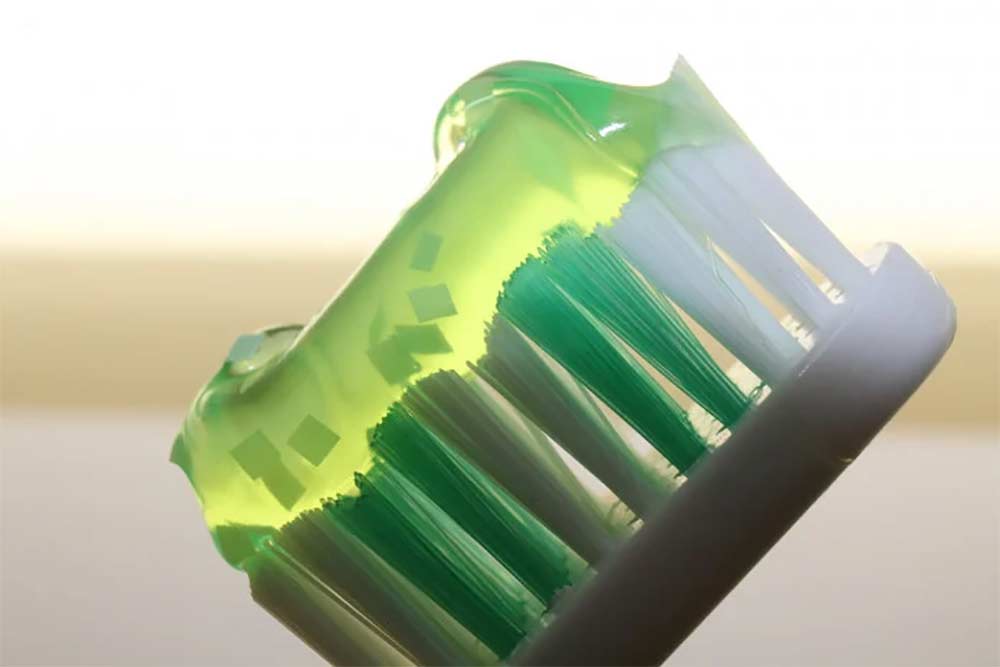 Nearly three out of every four commercially available toothpaste products sold in Bangladesh contain microplastics, according to a new study conducted by the Environment and Social Development Organization (ESDO).
The year-long study detected microplastics in 26 of 34 toothpaste samples from 19 brands, representing 76.5 per cent of the products tested.
The findings were unveiled at a press conference in Lalmatia, Dhaka, on Sunday under the title "Microplastic in Toothpaste". The research was conducted between July 2025 and June 2026 using locally manufactured and imported toothpaste collected from supermarkets, retail outlets and wholesale markets across the country.
Laboratory analysis was carried out at the Environmental Health and Ecotoxicology (EHE) Lab of the Department of Environmental Sciences at Jahangirnagar University. A consumer survey involving 2,760 participants was also conducted.
According to the study, microplastics were found in 22 of the 25 Bangladesh-made toothpaste samples. They were also detected in both samples imported from Vietnam, one of two samples from Thailand, and one of five samples from India.
Researchers identified between 20 and 320 microplastic particles per 100 grams of toothpaste. The highest concentration�"320 particles per 100 grams�"was found in Mediplus Fluoride Gel. Close-Up Red Hot and Close-Up Menthol Fresh each contained 160 particles, Kodomo Ultra Shield Formula 140, Signal Green Tea 120, Pepsodent Advance Salt and Himalaya Complete Care 100 each, and Sensodyne Fresh Mint 80. In contrast, no detectable microplastics were found in eight samples, including Zenfresh, Parachute Just for Baby (Mango), and Close-Up Red-Hot Zinc Fresh Technology.
The study also found that four of the six toothpaste products marketed for children (66.7 per cent) contained microplastics, with concentrations ranging from 20 to 140 particles per 100 grams. However, no microplastics were detected in Parachute Just for Baby or Kodomo Orange toothpaste.
Researchers noted that none of the toothpaste packaging or labels examined disclosed the presence of microplastics or the synthetic polymers used in the products. According to ESDO, the lack of such disclosure deprives consumers of the information needed to make informed purchasing decisions.
Speaking at the press conference, ESDO Secretary General Shahriar Hossain said all samples had been collected directly from retail markets, ensuring that counterfeit or adulterated products were not included in the study. The consumer survey found that 41.9 per cent of respondents had never heard of microplastics in toothpaste, while only 26.9 per cent said they were aware of the issue.
Mohammad Monjurul Karim, Deputy Director (Chemistry) of the Bangladesh Standards and Testing Institution (BSTI), said some manufacturers might use microplastics to increase product weight at a lower cost, describing the practice as "bad practice".
He added that, following revisions to standards for facewash and face packs, similar amendments to toothpaste standards are now under consideration.
ESDO said this was the first scientific study on microplastics in toothpaste marketed in Bangladesh. It noted that the country currently has no national standards, permissible limits, testing protocols or mandatory labelling requirements for microplastics in toothpaste.
The organisation said the research was intended not to single out any particular brand but to provide a scientific evidence base for future policymaking.
Loading...
Loading...
Also read



Editor : Iqbal Sobhan Chowdhury
Published by the Editor on behalf of the Observer Ltd. from Globe Printers, 24/A, New Eskaton Road, Ramna, Dhaka.
Editorial, News and Commercial Offices : Aziz Bhaban (2nd floor), 93, Motijheel C/A, Dhaka-1000.
Phone: PABX- 41053001-06; Advertisement: 41053012; 01793317829, 01550707291, E-mail: [email protected], [email protected] Online: email: [email protected] 41053014; 01550707297 Advertisement: 01550707296
Published by the Editor on behalf of the Observer Ltd. from Globe Printers, 24/A, New Eskaton Road, Ramna, Dhaka.
Editorial, News and Commercial Offices : Aziz Bhaban (2nd floor), 93, Motijheel C/A, Dhaka-1000.
Phone: PABX- 41053001-06; Advertisement: 41053012; 01793317829, 01550707291, E-mail: [email protected], [email protected] Online: email: [email protected] 41053014; 01550707297 Advertisement: 01550707296


