



| HEADLINE |

|
PM vows modern, affordable healthcare on eve of World Hepatitis Day 2026
Published : Monday, 27 July, 2026 at 7:16 PM
Observer Online Report


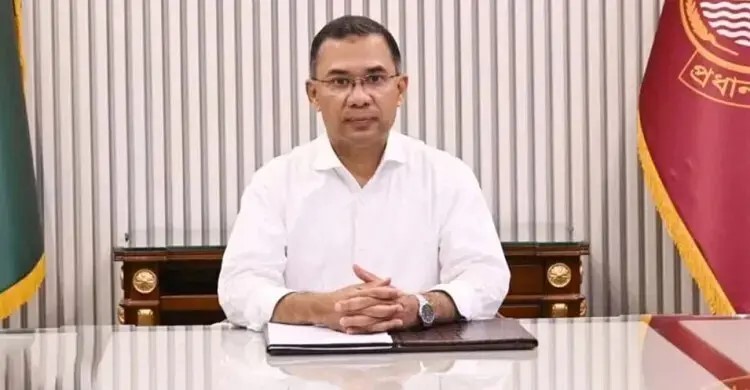
PM Tarique Rahman has stated that raising awareness about hepatitis and removing barriers to accessing healthcare services is a pressing demand of the present time.
These remarks were made in a message issued on Monday, 27 July on the eve of World Hepatitis Day, which will be observed on Tuesday, July 28.
Just like other countries in the world, Bangladesh will observe the day through proper programs. Theme of this year goes: ‘Let’s Understand Simply.’ This emphasizes on dispelling dispelling misconceptions about hepatitis, boosting public awareness, reducing social fear and obstacles to prevention, and making testing and treatment easily accessible to all.
The Prime Minister said hepatitis is one of the world's most critical public health issues. Every year, millions of people suffer from complex illnesses, including liver cirrhosis and liver cancer, caused by Hepatitis B and C viral infections.
However, this disease can be prevented and controlled through timely vaccination, screening, safe health practices, and proper medical treatment. Therefore, raising awareness about hepatitis and eliminating barriers to receiving healthcare is a demand of the time.
Tarique Rahman shared that specialized liver disease treatment, modern diagnostic facilities, and necessary infrastructure are being expanded across different regions of the country. Advanced liver treatment capabilities within the country are being boosted by adding modern medical equipment to specialized institutions, including the National Gastroliver Institute and Hospital, to reduce the need for medical care abroad.
At the same time, the government is continuing to provide one-time financial assistance of up to Tk 1 lakh for patients suffering from liver cirrhosis and liver cancer.
In his message, he added that to make patient-centric healthcare more modern and effective, the government is implementing initiatives to introduce ‘E-Health Cards’ and an integrated patient information management system.
This will make storing patient health records, rapid disease detection, continuous medical care, and providing government assistance easier and more effective. Prevention, treatment, and long-term follow-up systems for various infectious diseases, including hepatitis, will also be further strengthened through this initiative.
Tarique Rahman affirmed that Bangladesh is firmly committed to achieving the World Health Organization's global goal of eliminating viral hepatitis by 2030. To achieve this target, the collective participation of the government, healthcare institutions, development partners, private organizations, the media, and citizens from all walks of life is crucial.
He expressed hope that with everyone's combined efforts, Bangladesh will achieve greater success in preventing and controlling viral hepatitis, making it possible to build a healthy, safe, and hepatitis-free nation.
The Prime Minister also wished overall success to all programs organized on the occasion of World Hepatitis Day 2026.
-SA
Loading...
Loading...
Also read








Editor : Iqbal Sobhan Chowdhury
Published by the Editor on behalf of the Observer Ltd. from Globe Printers, 24/A, New Eskaton Road, Ramna, Dhaka.
Editorial, News and Commercial Offices : Aziz Bhaban (2nd floor), 93, Motijheel C/A, Dhaka-1000.
Phone: PABX- 41053001-06; Advertisement: 41053012; 01793317829, 01550707291, E-mail: [email protected], [email protected] Online: email: [email protected] 41053014; 01550707297 Advertisement: 01550707296
Published by the Editor on behalf of the Observer Ltd. from Globe Printers, 24/A, New Eskaton Road, Ramna, Dhaka.
Editorial, News and Commercial Offices : Aziz Bhaban (2nd floor), 93, Motijheel C/A, Dhaka-1000.
Phone: PABX- 41053001-06; Advertisement: 41053012; 01793317829, 01550707291, E-mail: [email protected], [email protected] Online: email: [email protected] 41053014; 01550707297 Advertisement: 01550707296


