



| HEADLINE |

|

41 power plants shut down amid gas, coal shortages
Published : Tuesday, 11 August, 2026 at 2:12 PM
Observer Online Report


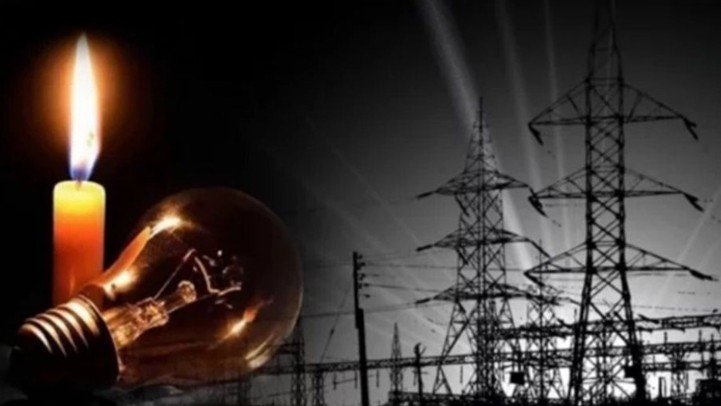
Power generation across Bangladesh has been severely disrupted by shortages of gas and coal, with 41 power plants completely shut down due to fuel shortages and maintenance issues.
Most of the plants still operating are also generating below capacity, pushing load-shedding to record levels and disrupting daily life, businesses and industrial production.
According to distribution companies, load-shedding peaked at 3,757 megawatts at 1:00am on Sunday, surpassing the previous record of 3,512MW recorded at 1:00am on August 3. The deficit had reached 3,671MW at 3:00pm the same day.
The gas crisis is the main reason behind the decline in generation. Petrobangla data shows gas-fired power plants require around 2.52 billion cubic feet of gas daily, but they are currently receiving only around 700 million cubic feet. Generation from gas-fired plants, which once stood at around 5,500MW, has fallen to 3,500-4,000MW.
The situation worsened after an LNG terminal operated by Excelerate Energy in Maheshkhali, Cox’s Bazar, was damaged on July 21, cutting gas supply by around 600 million cubic feet a day. Following partial repairs, the terminal is now supplying around 250 million cubic feet daily.
Petrobangla Director (Operations) Engineer Md Shoaib said another two to three days may be needed to complete repairs. Once fully operational, the terminal could increase gas supplies by another 300-350 million cubic feet a day.
Coal shortages have also affected generation. Power generation at the 1,200MW Payra Thermal Power Plant has fallen by half as rough weather delayed coal unloading at Kutubdia. Electricity supplies from Adani Power’s plant in Jharkhand have also declined from around 1,400MW to 800-1,000MW in recent days after coal was affected by flooding in the Indian state.
Bangladesh’s coal-fired power plants have a combined generation capacity of around 7,945MW, against which around 5,500MW is currently being generated.
Rural and semi-urban areas are bearing the brunt of the power shortage, with some areas experiencing outages every hour and others remaining without electricity for several hours. The outages are disrupting the use of fans, air conditioners and water pumps amid intense heat, while students, businesses and online workers are also being affected.
In Sylhet on Monday, demand stood at 247MW against a supply of 202MW, leaving a 45MW shortfall. The deficit was 56MW the previous day. Residents blocked a road and demonstrated at Tuker Bazar on Sunday night over frequent load-shedding. Residents in Santahar, Bogura, have also complained that less than half of the required electricity is being supplied.
Industrial production is also being disrupted as the power shortage adds to the existing gas crisis. Factories have to shut down production lines during outages, while restarting machinery after power is restored also takes time. Many industries are using generators to maintain production, increasing fuel expenses and production costs.
The power and energy divisions have strengthened coordination to tackle the crisis, while Petrobangla has been asked to increase gas allocations to power plants. Priority is being given to plants capable of quickly increasing supplies to the national grid.
Efforts are also underway to increase generation from oil-fired plants, but running them for an extended period would raise generation costs and increase the government’s subsidy burden. BPDB officials said oil-fired generation could be increased temporarily, but restoring normal gas and coal supplies remains the priority.
BPDB Chairman Engineer Md Rezaul Karim said the electricity situation could improve within one or two days, attributing the increased load-shedding to disruptions in both gas and coal supplies.
Petrobangla officials said gas supplies could also rise within two to three days once the LNG terminal becomes fully operational. However, higher temperatures could increase electricity demand, making it difficult to fully control load-shedding unless fuel supplies return to normal.
Energy experts say the crisis reflects years of mismanagement, declining domestic gas production, excessive dependence on imported LNG and uncertainty over fuel supplies. They stressed the need for long-term measures to expand domestic gas exploration, increase renewable energy use and prevent energy wastage.
SKS
Loading...
Loading...
Also read









Editor : Iqbal Sobhan Chowdhury
Published by the Editor on behalf of the Observer Ltd. from Globe Printers, 24/A, New Eskaton Road, Ramna, Dhaka.
Editorial, News and Commercial Offices : Aziz Bhaban (2nd floor), 93, Motijheel C/A, Dhaka-1000.
Phone: PABX- 41053001-06; Advertisement: 41053012; 01793317829, 01550707291, E-mail: [email protected], [email protected] Online: email: [email protected] 41053014; 01550707297 Advertisement: 01550707296
Published by the Editor on behalf of the Observer Ltd. from Globe Printers, 24/A, New Eskaton Road, Ramna, Dhaka.
Editorial, News and Commercial Offices : Aziz Bhaban (2nd floor), 93, Motijheel C/A, Dhaka-1000.
Phone: PABX- 41053001-06; Advertisement: 41053012; 01793317829, 01550707291, E-mail: [email protected], [email protected] Online: email: [email protected] 41053014; 01550707297 Advertisement: 01550707296


