



| HEADLINE |

|

Global Warming and Climate Change: Causes, Effects, and Solutions
Published : Monday, 31 August, 2026 at 12:00 AM
Motaher Hossain


 Climate change has emerged as one of the most significant global challenges facing humanity in the 21st century. It refers to long-term changes in the Earth's temperature, weather patterns, and environmental conditions, primarily caused by human activities. Although climate variations have occurred naturally throughout Earth's history, the current pace of change is unprecedented and largely driven by the increasing concentration of greenhouse gases in the atmosphere. The consequences of climate change are already visible across the globe, affecting ecosystems, economies, public health, and the livelihoods of billions of people.
The Earth's climate system is regulated by a delicate balance between incoming solar radiation and outgoing heat energy. Greenhouse gases such as carbon dioxide (CO₂), methane (CH₄), nitrous oxide (N₂O), and fluorinated gases trap heat in the atmosphere, creating what is known as the greenhouse effect. This natural process keeps the planet warm enough to sustain life. However, since the Industrial Revolution, human activities have significantly increased the concentration of these gases, intensifying the greenhouse effect and causing global temperatures to rise.
The burning of fossil fuels remains the largest contributor to climate change. Coal, oil, and natural gas are extensively used for electricity generation, transportation, industrial production, and household energy needs. When these fuels are burned, they release vast amounts of carbon dioxide into the atmosphere. Deforestation further worsens the problem by reducing the number of trees available to absorb carbon dioxide.
Scientific evidence overwhelmingly confirms that the planet is warming. According to climate researchers, average global temperatures have increased significantly over the past century. The last decade has been among the warmest ever recorded. Rising temperatures have triggered a series of interconnected environmental changes. Glaciers and polar ice sheets are melting at alarming rates, contributing to rising sea levels. Oceans are absorbing much of the excess heat, leading to warmer waters and increased acidification.
One of the most visible impacts of climate change is the increase in extreme weather events. Heatwaves are becoming more intense and prolonged, placing vulnerable populations at greater risk. Hurricanes, cyclones, and typhoons are gaining strength as warmer ocean temperatures provide more energy to fuel these storms. Heavy rainfall events are causing devastating floods, while prolonged dry conditions are increasing the likelihood of wildfires. These disasters result in significant economic losses, displacement of communities, and loss of human life.
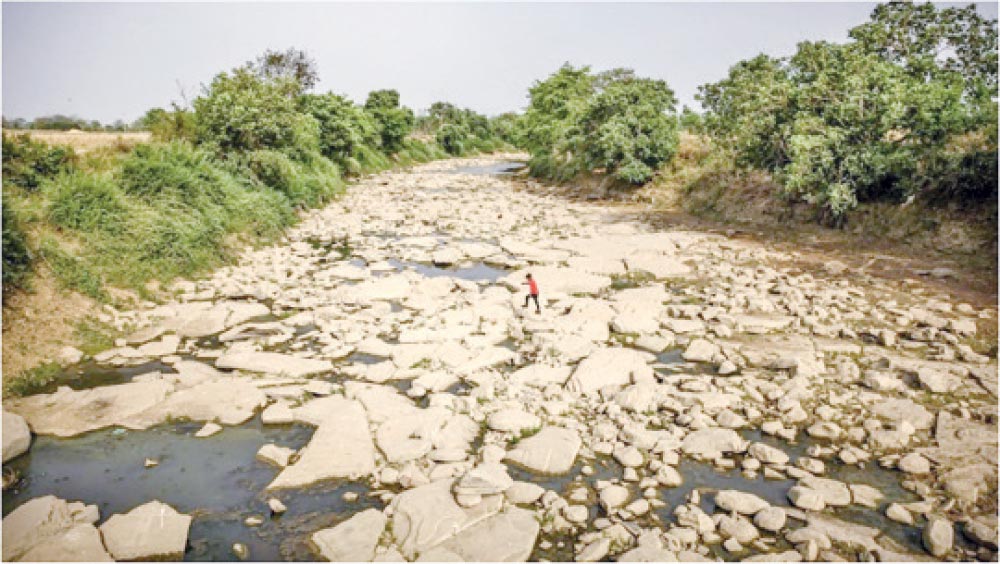 The effects of climate change extend far beyond environmental concerns. Agriculture, a sector that supports billions of people worldwide, is particularly vulnerable. Changes in temperature, rainfall patterns, and the frequency of extreme weather events can reduce crop yields and threaten food security. Farmers may struggle to adapt to shifting growing seasons, water shortages, and new pest infestations. In many developing countries, where agriculture forms the backbone of the economy, climate change poses a serious threat to livelihoods and national development.
Water resources are also under increasing pressure. Melting glaciers, altered rainfall patterns, and prolonged droughts affect the availability and quality of freshwater supplies. Many regions already experiencing water scarcity are likely to face even greater challenges in the future.
Human health is another area significantly affected by climate change. Rising temperatures can increase the risk of heat-related illnesses and deaths, particularly among the elderly, children, and people with pre-existing medical conditions. Climate change can also contribute to the spread of infectious diseases by creating favorable conditions for disease-carrying insects such as mosquitoes. Air pollution associated with fossil fuel combustion exacerbates respiratory and cardiovascular diseases. Furthermore, natural disasters linked to climate change can disrupt healthcare systems and increase mental health challenges among affected populations.
Biodiversity and ecosystems are experiencing profound changes due to climate change. Many plant and animal species are struggling to adapt to rapidly changing environmental conditions. Some species are migrating to cooler regions, while others face extinction due to habitat loss and environmental stress. Coral reefs, often referred to as the rainforests of the sea, are particularly vulnerable to rising ocean temperatures and acidification.
Climate change also has significant social and economic implications. Vulnerable populations, including low-income communities and developing nations, are often the hardest hit despite contributing the least to global greenhouse gas emissions. Climate-related disasters can destroy homes, infrastructure, and livelihoods, pushing people deeper into poverty. Rising sea levels threaten coastal cities and small island nations, forcing communities to relocate and creating climate refugees. The unequal distribution of climate impacts raises important questions about environmental justice and global responsibility.
Among the countries most vulnerable to climate change is Bangladesh. Due to its geographical location, low-lying coastal areas, and high population density, Bangladesh faces numerous climate-related risks. Rising sea levels threaten coastal communities with increased flooding, salinity intrusion, and land loss. Cyclones and storm surges frequently cause widespread damage and displacement. Changes in rainfall patterns affect agriculture and water resources, while riverbank erosion continues to displace thousands of people each year. Despite contributing only a small fraction of global greenhouse gas emissions, Bangladesh bears a disproportionate burden of climate impacts.
Addressing climate change requires both mitigation and adaptation strategies. Mitigation involves reducing greenhouse gas emissions to limit the extent of future warming. This can be achieved through a transition to renewable energy sources such as solar, wind, and hydropower. Improving energy efficiency in buildings, transportation, and industries can significantly reduce emissions. Protecting and restoring forests helps absorb carbon dioxide from the atmosphere, while sustainable agricultural practices can lower methane and nitrous oxide emissions.
Adaptation focuses on preparing societies and ecosystems to cope with the impacts of climate change that are already occurring or unavoidable. Adaptation measures include building climate-resilient infrastructure, improving disaster preparedness, developing drought-resistant crops, and strengthening water management systems. Coastal protection projects, such as embankments and mangrove restoration, can help reduce the risks associated with sea-level rise and storm surges. Effective adaptation requires investment, planning, and cooperation among governments, businesses, and communities.
International cooperation plays a crucial role in addressing climate change. Since greenhouse gas emissions affect the entire planet, no single country can solve the problem alone. Global agreements such as the Paris Agreement aim to unite nations in efforts to limit global warming and reduce emissions. Under this framework, countries commit to setting and strengthening climate targets while supporting adaptation and sustainable development initiatives.
Technological innovation offers promising opportunities for combating climate change. Advances in renewable energy technologies have made clean energy more affordable and accessible than ever before. Electric vehicles are reducing dependence on fossil fuels in the transportation sector. Carbon capture and storage technologies are being developed to remove carbon dioxide from industrial emissions and the atmosphere. Smart grids, energy-efficient appliances, and sustainable urban planning can further contribute to reducing emissions and improving resource management.
Education and public awareness are essential components of climate action. Individuals can make meaningful contributions by adopting sustainable lifestyles, reducing energy consumption, minimizing waste, and supporting environmentally responsible policies. Schools, universities, media organizations, and community groups play important roles in promoting climate literacy and encouraging collective action.
Businesses and industries also have a significant role to play. Many companies are adopting sustainability goals, investing in renewable energy, and reducing their carbon footprints. Corporate responsibility initiatives can contribute to climate solutions while enhancing long-term economic resilience. Investors are increasingly recognizing the financial risks associated with climate change and are directing capital toward sustainable projects and green technologies.
Despite the challenges, there are reasons for optimism. Growing public awareness, technological progress, and international cooperation have created momentum for climate action. Renewable energy capacity continues to expand worldwide, and many governments are implementing policies to reduce emissions and promote sustainability.
However, the window of opportunity to avoid the most severe consequences of climate change is narrowing. Delayed action will result in higher costs, greater environmental damage, and increased human suffering. Scientists emphasize that immediate and sustained efforts are necessary to limit global warming and protect future generations.
In conclusion, climate change is a complex and far-reaching issue that affects every aspect of life on Earth. Its causes are closely linked to human activities, particularly the burning of fossil fuels and environmental degradation.
The impacts are already evident in rising temperatures, extreme weather events, biodiversity loss, and threats to human well-being. While the challenges are immense, effective solutions exist. Through a combination of mitigation, adaptation, technological innovation, international cooperation, and public engagement, humanity can address climate change and build a more sustainable future.
The writer is the Editor, Climate Journal24.com
Loading...
Loading...
Also read



Editor : Iqbal Sobhan Chowdhury
Published by the Editor on behalf of the Observer Ltd. from Globe Printers, 24/A, New Eskaton Road, Ramna, Dhaka.
Editorial, News and Commercial Offices : Aziz Bhaban (2nd floor), 93, Motijheel C/A, Dhaka-1000.
Phone: PABX- 41053001-06; Advertisement: 41053012; 01793317829, 01550707291, E-mail: [email protected], [email protected] Online: email: [email protected] 41053014; 01550707297 Advertisement: 01550707296
Published by the Editor on behalf of the Observer Ltd. from Globe Printers, 24/A, New Eskaton Road, Ramna, Dhaka.
Editorial, News and Commercial Offices : Aziz Bhaban (2nd floor), 93, Motijheel C/A, Dhaka-1000.
Phone: PABX- 41053001-06; Advertisement: 41053012; 01793317829, 01550707291, E-mail: [email protected], [email protected] Online: email: [email protected] 41053014; 01550707297 Advertisement: 01550707296


