



| HEADLINE |

|

Israeli army rejects claims made in film ‘NAZA’
Published : Thursday, 1 October, 2026 at 6:11 PM
Observer Online Report


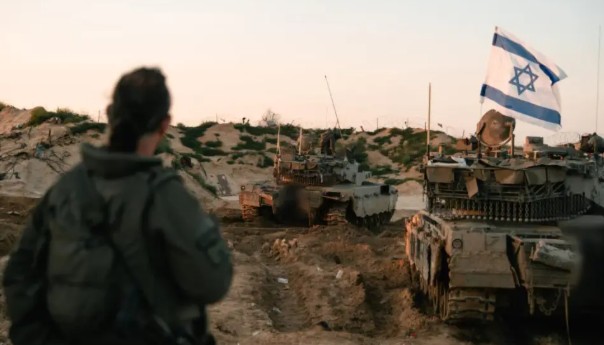
The Israeli army has rejected the narrative of the film ‘NAZA’ for its depiction of Israeli military operations in the Gaza Strip and the killing of civilians. In a statement issued on Thursday, the army described the film as “distorted, misleading and unrealistic”. At the same time, it sought to distance itself from allegations of genocide against Palestinians.
This marks the Israeli army’s first official response to the film, which was directed by Oscar-winning Israeli filmmakers Yuval Abraham and Rachel Szor. The film was produced by the UK-based media outlet The Guardian.
The Israeli army claimed that the film’s narrative is based on “fundamental factual errors” and that the processes for selecting targets and conducting military operations have been presented in a “distorted and malicious” manner.
The statement further noted that artificial intelligence never independently selects targets for attacks. Instead, qualified and authorised intelligence officers identify targets, while military commanders make the decision to strike.
However, former military intelligence personnel interviewed in the film highlighted various aspects of the surveillance systems and long-range bombing operations used in Israeli attacks. The filmmakers claim that some of the interviewees worked in a secret intelligence unit that reported directly to Prime Minister Benjamin Netanyahu.
The film ‘NAZA’ received widespread acclaim at the Venice Film Festival, winning the Special Jury Prize following a 25-minute standing ovation.
The name ‘NAZA’ is an acronym used by the Israeli Military Intelligence Directorate, known as ‘Aman’. According to the filmmakers, the term refers to a calculation estimating the potential number of civilian casualties in an airstrike.
The film was shot secretly over a period of three years on a rooftop in Tel Aviv. To ensure the safety of the participants, their identities, voices and facial features were altered using digital technology.
The filmmakers have since received threats of violence and death from Israeli officials, journalists and celebrities alike. Meanwhile, fellow filmmakers in Israel signed a petition in support of Abraham and Szor in response to an “unprecedented campaign of incitement and instigation”. Israeli human rights organisations published a joint statement in support of the filmmakers, calling on the authorities to “put an end to the wave of incitement and threats of violence” against the two filmmakers.
Israel has faced widespread international criticism over civilian casualties since the start of its war in Gaza in October 2023. Meanwhile, the International Criminal Court issued an arrest warrant for Netanyahu in 2024, accusing him of war crimes and crimes against humanity against Palestinians.
- NS
Loading...
Loading...
Also read






Editor : Iqbal Sobhan Chowdhury
Published by the Editor on behalf of the Observer Ltd. from Globe Printers, 24/A, New Eskaton Road, Ramna, Dhaka.
Editorial, News and Commercial Offices : Aziz Bhaban (2nd floor), 93, Motijheel C/A, Dhaka-1000.
Phone: PABX- 41053001-06; Advertisement: 41053012; 01793317829, 01550707291, E-mail: [email protected], [email protected] Online: email: [email protected] 41053014; 01550707297 Advertisement: 01550707296
Published by the Editor on behalf of the Observer Ltd. from Globe Printers, 24/A, New Eskaton Road, Ramna, Dhaka.
Editorial, News and Commercial Offices : Aziz Bhaban (2nd floor), 93, Motijheel C/A, Dhaka-1000.
Phone: PABX- 41053001-06; Advertisement: 41053012; 01793317829, 01550707291, E-mail: [email protected], [email protected] Online: email: [email protected] 41053014; 01550707297 Advertisement: 01550707296


