



| HEADLINE |

|

AI could reshape prices of fast food, everyday goods
Published : Saturday, 24 October, 2026 at 6:06 PM
Observer Online Report


Collected Photo
Artificial intelligence (AI) could reshape pricing strategies for fast-food chains and retailers, enabling businesses to adjust prices more frequently based on consumer demand, operating costs, competitors’ rates and purchasing patterns.
The growing adoption of AI-powered pricing tools is raising questions about how businesses determine prices and whether consumers could face different prices for the same products.
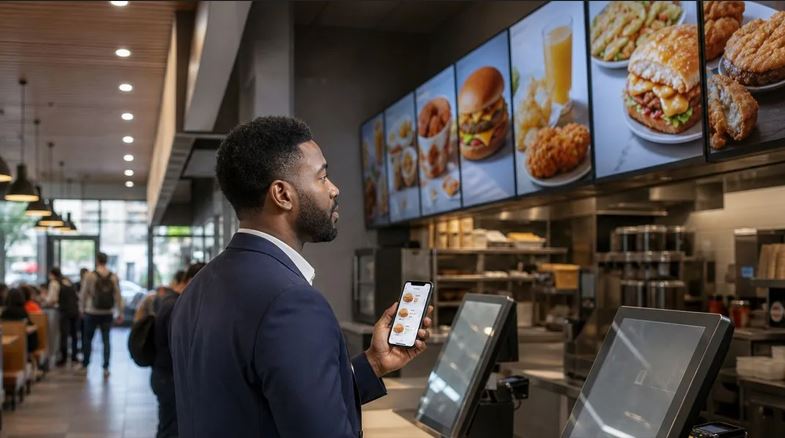
McDonald’s is expanding an AI-powered pricing system that analyses millions of daily transactions, local demand, customer willingness to pay, operating costs and competitors’ prices to recommend menu prices for individual restaurants, Reuters reported on September 29. The company says franchisees retain final authority over pricing decisions.
AI can strengthen 'dynamic pricing', a strategy in which businesses adjust prices in response to changing market conditions. Retailers could use the technology to optimise profit margins, respond to shifts in demand and manage inventory more efficiently.
The technology could also facilitate personalised pricing, in which prices or discounts vary according to customers’ locations, browsing activity and other consumer data. Such practices have raised concerns about transparency, data privacy and whether some shoppers could pay more than others for identical goods.
However, AI-driven pricing does not necessarily mean prices will rise. Businesses may also use algorithms to offer targeted discounts, clear excess inventory and respond to competitive pressure.
As AI adoption expands across the retail and food-service sectors, regulators and consumer advocates are calling for greater transparency and safeguards against potential anti-competitive practices.
-AH

Loading...
Loading...
Also read









Editor : Iqbal Sobhan Chowdhury
Published by the Editor on behalf of the Observer Ltd. from Globe Printers, 24/A, New Eskaton Road, Ramna, Dhaka.
Editorial, News and Commercial Offices : Aziz Bhaban (2nd floor), 93, Motijheel C/A, Dhaka-1000.
Phone: PABX- 41053001-06; Advertisement: 41053012; 01793317829, 01550707291, E-mail: [email protected], [email protected] Online: email: [email protected] 41053014; 01550707297 Advertisement: 01550707296


