



| HEADLINE |

|

COP31 faces hurdles over fossil fuels, climate finance
Published : Friday, 6 November, 2026 at 7:44 PM
Observer Online Report


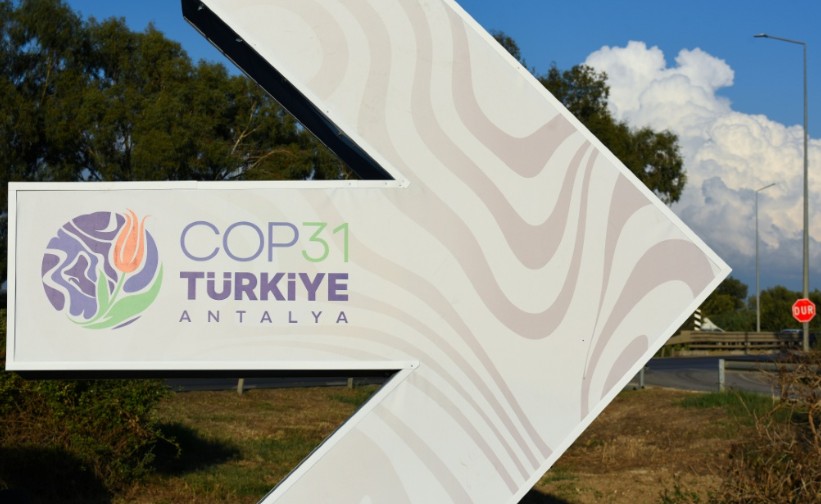
Collected Photo
Nearly 200 countries are set to gather in Turkey for the two-week COP31 climate summit from Monday, but geopolitical tensions, funding disputes and divisions over fossil fuels are dimming hopes of a major breakthrough.
More than 100,000 people are expected to attend the UN climate negotiations in Antalya, where countries will face growing pressure to address extreme weather, rising global temperatures and the widening climate finance gap.
Stronger action on fossil fuels appears unlikely, while developed countries remain reluctant to increase funding for vulnerable nations. African negotiators are pushing to add a pledge to triple adaptation finance to the formal agenda.
Turkey, which is presiding over the summit, and Australia, which is leading negotiations, are promoting an electrification initiative to increase electricity's share of global energy demand from around 20 per cent to 35 per cent by 2035. However, disagreement over the proposed term "clean electrification" could complicate negotiations.
The summit follows deadly floods in Nepal, heatwaves in Europe and wildfires in Indonesia. The UN has warned that global temperatures are on course to exceed the Paris Agreement's 1.5C threshold, while a strong El Nino is forecast to intensify extreme weather later this year.
COP31 President Murat Kurum said the summit would seek to turn previous climate commitments into concrete results. Australian Climate Minister Chris Bowen also stressed the need for international cooperation to reach consensus.
A US congressional delegation is expected to attend, although the Trump administration will not participate in the negotiations. Brazilian President Luiz Inacio Lula da Silva is also due to travel to Antalya next week.
Source: AFP
-AH

Loading...
Loading...
Also read








Editor : Iqbal Sobhan Chowdhury
Published by the Editor on behalf of the Observer Ltd. from Globe Printers, 24/A, New Eskaton Road, Ramna, Dhaka.
Editorial, News and Commercial Offices : Aziz Bhaban (2nd floor), 93, Motijheel C/A, Dhaka-1000.
Phone: PABX- 41053001-06; Advertisement: 41053012; 01793317829, 01550707291, 01550707296
E-mail: [email protected], [email protected]. [email protected], [email protected], [email protected], [email protected], Online-email: [email protected]


