



| HEADLINE |

|

Migratory birds flock to Jobai Beel at Sapahar
Published : Saturday, 28 February, 2026 at 12:00 AM
Our Correspondent


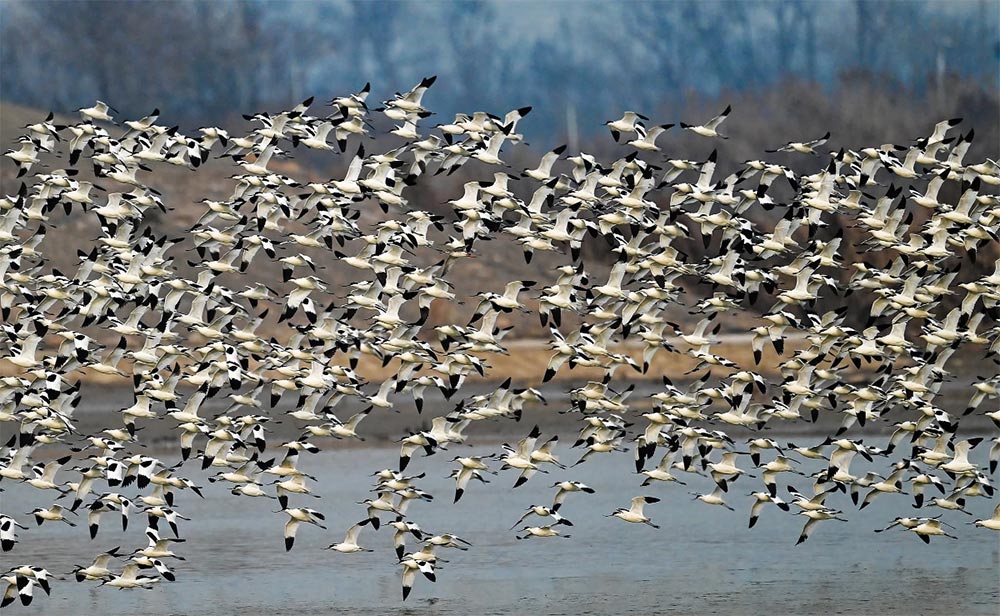 SAPAHAR, NAOGAON, Feb 27: The serene Jobai Beel in Sapahar Upazila of the district has once again come alive with the arrival of thousands of migratory birds, turning the wetland into a vibrant sanctuary during the winter season.
Located about 9 km west of the upazila headquarters, the scenic beel has become a safe haven for birds arriving from distant regions in search of food and warmer weather. Flocks of migratory birds can be seen flying over the water and gathering in large numbers, creating a captivating natural spectacle for locals and visitors alike.
According to local residents, the arrival of birds begins every year as water levels in the beel start to recede in early winter. The wetland, along with the nearby the Punarbhaba River, offers an ideal habitat with abundant small fish, snails, and insects - the primary food sources for these birds. Their constant chirping and movement have transformed the entire area into a lively and picturesque environment.
Various species of migratory and native birds, including Asian openbill storks, egrets, whistling ducks, geese, teals, and many other unidentified species, have already been spotted across the wetland. The presence of white and grey birds scattered across the shallow waters and muddy patches creates a breathtaking view for nature lovers.
Sohanur Rahman Sabuj, President of the Jobai Beel Biodiversity Conservation and Social Welfare Organisation, said several species such as lesser whistling ducks, cotton pygmy geese, gadwall ducks, teals, herons, openbill storks, and kingfishers have already arrived. He added that the number of birds is expected to increase further in the coming weeks.
According to a recent survey conducted by the organisation, a total of 44 bird species - including 26 migratory and 18 resident species - have been recorded in the beel this season, with an estimated population of around 2,258 birds. Although the number of species has increased compared to previous years, the total number of birds has declined from around 11,000 recorded earlier.
Local residents said that as floodwaters recede after the monsoon season, large areas of farmland emerge with shallow water, attracting fish, snails, and insects. These conditions create a favourable feeding ground for migratory birds, making the wetland an important seasonal refuge.
Nature lovers and locals have expressed concern about protecting the birds from illegal hunting and disturbances. They urged authorities to take necessary steps to conserve the wetland and ensure the safety of migratory birds.
Visitors and conservationists have also demanded that Joboi Beel be developed as an eco-tourism destination and declared a protected sanctuary to preserve its rich biodiversity and provide a secure habitat for birds throughout the year.
Loading...
Loading...
Also read



Editor : Iqbal Sobhan Chowdhury
Published by the Editor on behalf of the Observer Ltd. from Globe Printers, 24/A, New Eskaton Road, Ramna, Dhaka.
Editorial, News and Commercial Offices : Aziz Bhaban (2nd floor), 93, Motijheel C/A, Dhaka-1000.
Phone: PABX- 41053001-06; Advertisement: 41053012; 01793317829, 01550707291, E-mail: [email protected], [email protected] Online: email: [email protected] 41053014; 01550707297 Advertisement: 01550707296
Published by the Editor on behalf of the Observer Ltd. from Globe Printers, 24/A, New Eskaton Road, Ramna, Dhaka.
Editorial, News and Commercial Offices : Aziz Bhaban (2nd floor), 93, Motijheel C/A, Dhaka-1000.
Phone: PABX- 41053001-06; Advertisement: 41053012; 01793317829, 01550707291, E-mail: [email protected], [email protected] Online: email: [email protected] 41053014; 01550707297 Advertisement: 01550707296


