



| HEADLINE |

|
BPDB seeks up to 21% increase in wholesale electricity prices


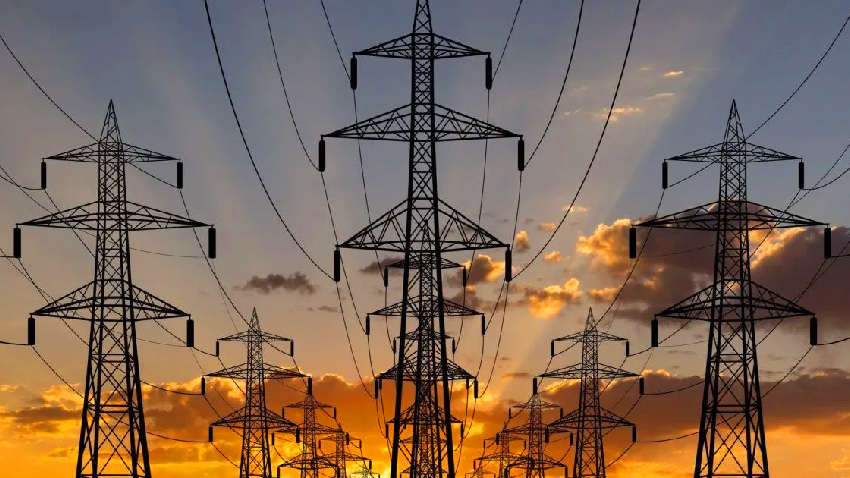
The state-run power utility on Wednesday proposed raising wholesale electricity prices by 1.20 to 1.50 taka per unit, or 17 to 21 percent, to narrow mounting financial deficits in the power sector, triggering sharp opposition from consumer groups and industry leaders.
The proposal was placed by the Bangladesh Power Development Board (BPDB), at a public hearing held by the Bangladesh Energy Regulatory Commission at the KIB auditorium in Dhaka’s Farmgate area.
If approved, the average wholesale tariff would rise to between 8.24 taka and 8.54 taka per unit from the current 7.04 taka.
At the same hearing, Power Grid Bangladesh also sought an increase in transmission charges to 0.4955 taka per unit from 0.3096 taka. BERC’s technical committee, however, recommended a smaller increase to 0.4481 taka per unit.
BPDB Chairman Rezaul Karim told the hearing that the proposal was driven by lower gas supplies for power generation, greater dependence on more expensive fuels such as furnace oil and imported coal, higher gas prices, and the depreciation of the taka against the US dollar.
He also called for recognition of 3 percent system loss in wholesale electricity and proposed waiving the existing 4 percent withholding tax to ease subsidy pressure.
According to BPDB, the power sector’s revenue shortfall for fiscal year 2025-26 is projected at Tk629.65 billion. The agency said that without tariff adjustments, deficits would continue to widen.
It also proposed separate wholesale rates for 21 urban-based rural electric cooperatives and suggested bringing some consumers using more than 132 kV directly under BPDB supply to reduce subsidy costs.
The proposal drew strong resistance at the hearing. Syed Mizanur Rahman, speaking on behalf of Consumer Association of Bangladesh energy adviser Professor Shamsul Alam, said BERC would become a “public enemy” if it approved the hike.
He accused regulators of allowing consumers to bear the cost of past irregularities and poor decisions in the sector.
Industry representatives also warned of wider economic fallout. Jamal Uddin Mia, a director of the Bangladesh Knitwear Manufacturers and Exporters Association, said higher electricity prices would weaken the competitiveness of Bangladeshi exporters at a time when the sector is already under pressure.
Ruhin Hossain Prince, a former general secretary of the Communist Party of Bangladesh, said the increase would raise factory production costs and should not be approved.
The last electricity price increase in Bangladesh was imposed by executive order in February 2024.
The proposal was placed by the Bangladesh Power Development Board (BPDB), at a public hearing held by the Bangladesh Energy Regulatory Commission at the KIB auditorium in Dhaka’s Farmgate area.
If approved, the average wholesale tariff would rise to between 8.24 taka and 8.54 taka per unit from the current 7.04 taka.
At the same hearing, Power Grid Bangladesh also sought an increase in transmission charges to 0.4955 taka per unit from 0.3096 taka. BERC’s technical committee, however, recommended a smaller increase to 0.4481 taka per unit.
BPDB Chairman Rezaul Karim told the hearing that the proposal was driven by lower gas supplies for power generation, greater dependence on more expensive fuels such as furnace oil and imported coal, higher gas prices, and the depreciation of the taka against the US dollar.
He also called for recognition of 3 percent system loss in wholesale electricity and proposed waiving the existing 4 percent withholding tax to ease subsidy pressure.
According to BPDB, the power sector’s revenue shortfall for fiscal year 2025-26 is projected at Tk629.65 billion. The agency said that without tariff adjustments, deficits would continue to widen.
It also proposed separate wholesale rates for 21 urban-based rural electric cooperatives and suggested bringing some consumers using more than 132 kV directly under BPDB supply to reduce subsidy costs.
The proposal drew strong resistance at the hearing. Syed Mizanur Rahman, speaking on behalf of Consumer Association of Bangladesh energy adviser Professor Shamsul Alam, said BERC would become a “public enemy” if it approved the hike.
He accused regulators of allowing consumers to bear the cost of past irregularities and poor decisions in the sector.
Industry representatives also warned of wider economic fallout. Jamal Uddin Mia, a director of the Bangladesh Knitwear Manufacturers and Exporters Association, said higher electricity prices would weaken the competitiveness of Bangladeshi exporters at a time when the sector is already under pressure.
Ruhin Hossain Prince, a former general secretary of the Communist Party of Bangladesh, said the increase would raise factory production costs and should not be approved.
The last electricity price increase in Bangladesh was imposed by executive order in February 2024.
Loading...
Loading...
Also read







Editor : Iqbal Sobhan Chowdhury
Published by the Editor on behalf of the Observer Ltd. from Globe Printers, 24/A, New Eskaton Road, Ramna, Dhaka.
Editorial, News and Commercial Offices : Aziz Bhaban (2nd floor), 93, Motijheel C/A, Dhaka-1000.
Phone: PABX- 41053001-06; Advertisement: 41053012; 01793317829, 01550707291, E-mail: [email protected], [email protected] Online: email: [email protected] 41053014; 01550707297 Advertisement: 01550707296
Published by the Editor on behalf of the Observer Ltd. from Globe Printers, 24/A, New Eskaton Road, Ramna, Dhaka.
Editorial, News and Commercial Offices : Aziz Bhaban (2nd floor), 93, Motijheel C/A, Dhaka-1000.
Phone: PABX- 41053001-06; Advertisement: 41053012; 01793317829, 01550707291, E-mail: [email protected], [email protected] Online: email: [email protected] 41053014; 01550707297 Advertisement: 01550707296


