



| HEADLINE |

|

Inflation may rise above 10pc: Dr Zahid
Published : Sunday, 7 June, 2026 at 12:00 AM


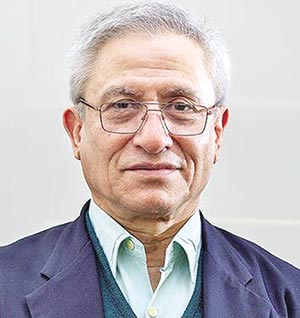 The recent increase in electricity tariffs could raise Bangladesh's inflation rate by nearly one percentage point and push it beyond the 10 percent mark, according to Dr Zahid Hussain, former Lead Economist of the World Bank's Dhaka office.
Dr Hussain said the tariff adjustment would have both direct and indirect effects on inflation, as higher electricity costs would increase household expenses while also raising production costs across industries.
"In my assessment, the latest electricity price hike could add nearly one percentage point to inflation," he said. "With inflation already hovering above 9 percent, the new adjustment may drive it beyond 10 percent."
He explained that industries, irrigation systems and commercial establishments would face higher operating costs, which would eventually be passed on to consumers through increased prices of goods and services.
Dr Hussain noted that households with higher electricity consumption would see a noticeable increase in monthly bills. However, he said the government had attempted to reduce the burden on lower-income consumers by retaining benefits for users within the lifeline category.
Despite the negative impact on inflation, Dr Hussain argued that the government had limited options given the financial challenges facing the power sector.
He pointed out that subsidies in the electricity sector are expected to remain above Tk 60,000 crore even after the latest adjustment. At the same time, substantial arrears owed to power generation companies have accumulated, with some payments remaining overdue for six to nine months.
"If power producers do not receive their dues on time, it becomes difficult for them to import coal and fuel oil and maintain uninterrupted electricity generation," he said.
According to him, failing to adjust tariffs could have triggered a deeper crisis, leading to power shortages, disruptions to industrial production and further inflationary pressure.
However, he stressed that periodic tariff increases alone cannot solve the sector's long-term problems. He called for structural reforms, including the renegotiation of power purchase agreements, capacity payments and generation tariffs.
"Reducing capacity charges and revising generation tariffs could significantly ease the financial burden on the power sector," he said.
Dr Hussain said ensuring the long-term sustainability of the sector would require comprehensive reforms that benefit the government, power producers and consumers alike.
Loading...
Loading...
Also read



Editor : Iqbal Sobhan Chowdhury
Published by the Editor on behalf of the Observer Ltd. from Globe Printers, 24/A, New Eskaton Road, Ramna, Dhaka.
Editorial, News and Commercial Offices : Aziz Bhaban (2nd floor), 93, Motijheel C/A, Dhaka-1000.
Phone: PABX- 41053001-06; Advertisement: 41053012; 01793317829, 01550707291, E-mail: [email protected], [email protected] Online: email: [email protected] 41053014; 01550707297 Advertisement: 01550707296
Published by the Editor on behalf of the Observer Ltd. from Globe Printers, 24/A, New Eskaton Road, Ramna, Dhaka.
Editorial, News and Commercial Offices : Aziz Bhaban (2nd floor), 93, Motijheel C/A, Dhaka-1000.
Phone: PABX- 41053001-06; Advertisement: 41053012; 01793317829, 01550707291, E-mail: [email protected], [email protected] Online: email: [email protected] 41053014; 01550707297 Advertisement: 01550707296


