



| HEADLINE |

|
Gas shortage drives up load-shedding to 962MW as LNG supply drops


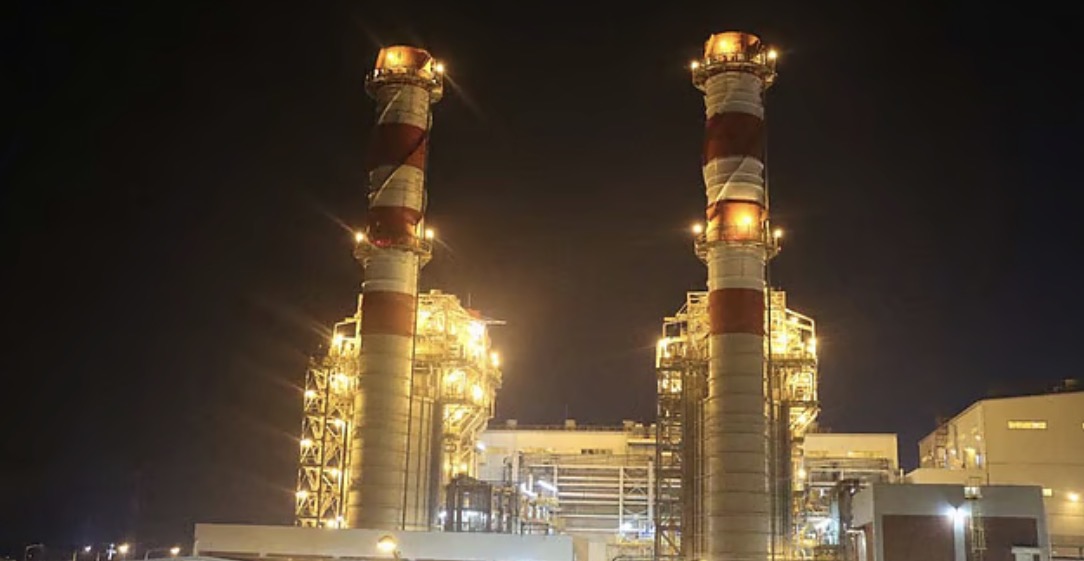
A sharp decline in imported LNG supply has disrupted Bangladesh’s gas and power sectors, pushing load-shedding to a recent peak of 962MW. The crisis began after a technical fault forced one of the two floating LNG terminals at Maheshkhali out of operation, cutting imported gas supply by nearly 50% within five days.
As a result, gas supplied to power plants fell by around 230 million cubic feet per day, reducing gas-fired electricity generation by about 25%. Although authorities increased power generation from coal- and furnace oil-fired plants, the additional output was insufficient to meet rising electricity demand.
The gas shortage has also affected households, industries and CNG stations, with many areas in Dhaka experiencing prolonged interruptions in gas supply. Residents have reported being unable to cook during the day and relying on electric cookers despite higher electricity costs.
Officials say partial gas supply from the affected LNG terminal could resume next week, with full restoration expected about a week later if repairs proceed as planned. Until then, power shortages and gas supply disruptions are expected to continue, although the government says the situation is unlikely to worsen further.









Published by the Editor on behalf of the Observer Ltd. from Globe Printers, 24/A, New Eskaton Road, Ramna, Dhaka.
Editorial, News and Commercial Offices : Aziz Bhaban (2nd floor), 93, Motijheel C/A, Dhaka-1000.
Phone: PABX- 41053001-06; Advertisement: 41053012; 01793317829, 01550707291, E-mail: [email protected], [email protected] Online: email: [email protected] 41053014; 01550707297 Advertisement: 01550707296


