



| HEADLINE |

|
How Iran is widening its pressure campaign to force US concessions
Published : Tuesday, 4 August, 2026 at 12:00 AM


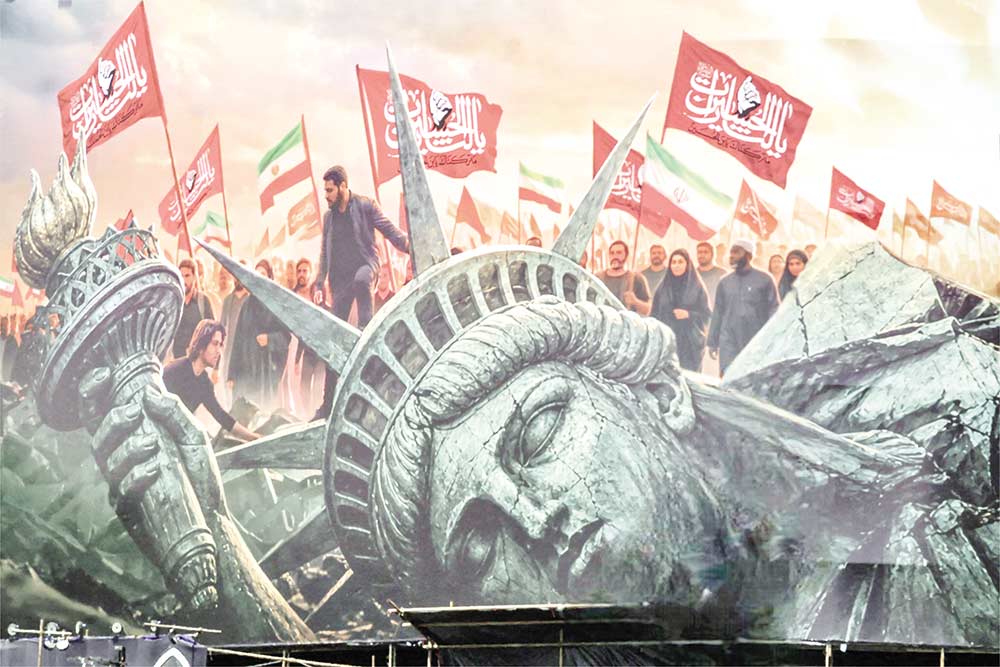 BEIRUT, Aug 3:Iran is pursuing a strategy of gradual escalation aimed at increasing pressure on the United States and its allies by threatening key trade routes, shipping lanes and energy infrastructure across the Middle East, according to Gulf officials and analysts. Rather than seeking outright military victory, Tehran hopes to make continued confrontation more costly than negotiating over the future of the Strait of Hormuz.
Analysts say Iran is expanding potential flashpoints beyond Hormuz to include the Red Sea and regional energy facilities, signalling that global commerce could face broader disruption. Michael Knights of the Washington Institute said Iran's main advantage lies not in defeating the US militarily but in imposing economic costs on regional states and the global economy.
Iranian officials believe President Donald Trump is reluctant to become deeply involved in another Middle East conflict before November's midterm elections. Tehran argues that previous concessions only led to greater US pressure, reinforcing its belief that stronger leverage is needed before negotiations.
The dispute centres on control of the Strait of Hormuz. While Oman has proposed a Gulf-backed management framework, Iran seeks administrative authority and the right to charge vessels, a proposal rejected by Washington.
As tensions rise, Gulf states are prioritising maritime security through defensive coalitions to protect shipping. Analysts warn that continued escalation by both sides risks triggering a wider conflict that neither may be able to control.�"REUTERS
Loading...
Loading...
Also read



Editor : Iqbal Sobhan Chowdhury
Published by the Editor on behalf of the Observer Ltd. from Globe Printers, 24/A, New Eskaton Road, Ramna, Dhaka.
Editorial, News and Commercial Offices : Aziz Bhaban (2nd floor), 93, Motijheel C/A, Dhaka-1000.
Phone: PABX- 41053001-06; Advertisement: 41053012; 01793317829, 01550707291, E-mail: [email protected], [email protected] Online: email: [email protected] 41053014; 01550707297 Advertisement: 01550707296
Published by the Editor on behalf of the Observer Ltd. from Globe Printers, 24/A, New Eskaton Road, Ramna, Dhaka.
Editorial, News and Commercial Offices : Aziz Bhaban (2nd floor), 93, Motijheel C/A, Dhaka-1000.
Phone: PABX- 41053001-06; Advertisement: 41053012; 01793317829, 01550707291, E-mail: [email protected], [email protected] Online: email: [email protected] 41053014; 01550707297 Advertisement: 01550707296


