



| HEADLINE |

|
July Uprising: Memories of sacrifice pledge for the future
Published : Wednesday, 5 August, 2026 at 12:49 AM
Observer Online Desk


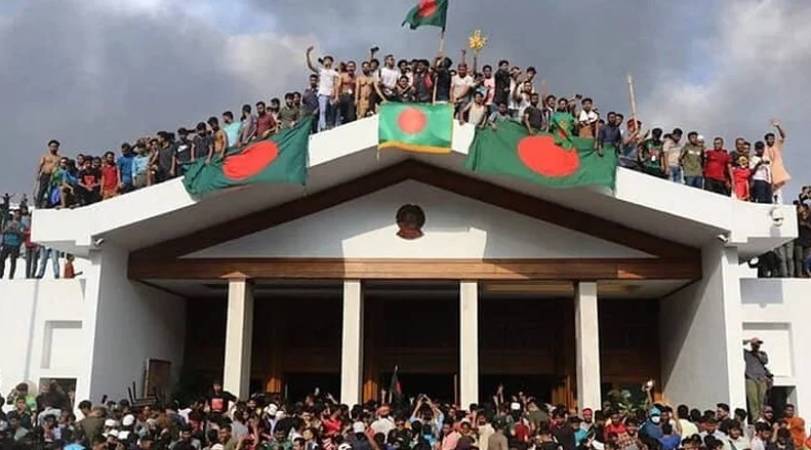
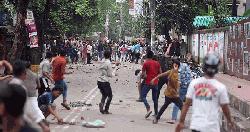
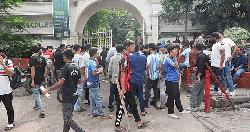
Bangladesh is observing the historic July Mass Uprising Day on Wednesday (August 5) with state honor, marking two years since the fall of the Awami League fascist regime.
This day on 2024 ended Sheikh Hasina’s nearly 16-year rule. As the AL government fell, former Prime Minister Sheikh Hasina left the country for India. It opened a new chapter in the country’s politics.
The current government has declared 5 August as a holiday.
To celebrate the July Mass Uprising Day, government has taken up wide-ranging programs at the national level. Acting President Hafiz Uddin Ahmed and Prime Minister Tarique Rahman have issued separate messages.
They paid deep tribute to the martyrs of the July uprising while praying for their salvation. They also wished quick recovery for the injured fighters. They extended greetings to the citizens at home and Bangladeshis living abroad.
As part of the national program, wreaths will be placed at July martyrs' memorials in all 64 districts on Wednesday. Roads, traffic islands, and key structures in Dhaka and other cities have been decorated with national flags, banners, and festoons.
July memorials have been lit up for the occasion.
Prime Minister Tarique Rahman will inaugurate the July Uprising Memorial Museum at 9AM. A reception for July martyrs' families and fighters will be held at 11AM at Bangladesh-China Friendship Conference Centre in the capital. A discussion on the significance of the day will follow. Acting President Hafiz Uddin Ahmed will attend as chief guest. Similar receptions and discussions have been organised in all districts.
Special articles, literary pieces, magazines, and supplements are being published in newspapers to mark the day. Bangladesh Television, Bangladesh Betar, and private TV, FM, and community radio stations are airing special programs.
Rare photographs and documentaries on the July movement are being displayed at mini-poles in Dhaka and other city corporations. Educational institutions across the country are holding discussions, along with essay, recitation, and drawing competitions. Bangladesh missions abroad are also holding discussions and memorial events.
Special prayers and munajat have been arranged at religious institutions after Zohr prayers or at convenient times. Feasts have been organized at government hospitals, jails, child welfare centers, rehabilitation centers, centers for people with disabilities, day-care centers, and shelters for the homeless.
A commemorative postage stamp has been released for the day. State and autonomous museums are open to the public free of charge. Special arrangements for children have been made at entertainment centers, both public and private.
In a message, acting Prez said an equitable, democratic, accountable, and just Bangladesh must be built by upholding the spirit of sacrifice of the July uprising. He pledged to ensure proper honor for those killed and injured in the movement.
Moreover, he pledged welfare for their families, treatment and rehabilitation for the injured, and a fair, neutral, and swift trial of the killings and crimes against humanity committed during the uprising.
In PM’s message, Tarique Rahman said, August 5 uprising was a historic victory. It ended more than a decade and a half of authoritarian rule.
Stating that this day restored people’s democratic rights, PM added, the national unity built through this sacrifice must be protected at all costs. Autocracy, fascism, extremism, or militancy must never be allowed to rise again in Bangladesh.
Leader of the Opposition in parliament and Ameer of Jamaat-e-Islami Dr Shafiqur Rahman also issued a separate message on the occasion. The Communist Party of Bangladesh (CPB) issued a statement.
Various political parties, socio-cultural organizations, and professional bodies are observing the day with discussions, prayer gatherings, memorial events, and other programs.
Earlier, BNP held a special discussion at Krishibid Institution auditorium in the capital on Tuesday. Meanwhile, the Jamaat-e-Islami-led 11-party alliance will hold a mass rally on August 5 at the south gate of Baitul Mokarram National Mosque, with demands regarding implementation of the referendum verdict.
Two years have passed since the July 2024 mass uprising. But the memories, sacrifices, and expectations of that movement remain just as relevant today.
The history won with the blood of martyrs is not merely a marker of political change. It stands as a symbol of an ongoing pledge to build democracy, accountability, justice, and an equitable state.
This year's July Mass Uprising Day reaffirms that commitment to building the Bangladesh of tomorrow, upholding the spirit of that sacrifice.
-TS/SA
Loading...
Loading...
Also read



Editor : Iqbal Sobhan Chowdhury
Published by the Editor on behalf of the Observer Ltd. from Globe Printers, 24/A, New Eskaton Road, Ramna, Dhaka.
Editorial, News and Commercial Offices : Aziz Bhaban (2nd floor), 93, Motijheel C/A, Dhaka-1000.
Phone: PABX- 41053001-06; Advertisement: 41053012; 01793317829, 01550707291, E-mail: [email protected], [email protected] Online: email: [email protected] 41053014; 01550707297 Advertisement: 01550707296
Published by the Editor on behalf of the Observer Ltd. from Globe Printers, 24/A, New Eskaton Road, Ramna, Dhaka.
Editorial, News and Commercial Offices : Aziz Bhaban (2nd floor), 93, Motijheel C/A, Dhaka-1000.
Phone: PABX- 41053001-06; Advertisement: 41053012; 01793317829, 01550707291, E-mail: [email protected], [email protected] Online: email: [email protected] 41053014; 01550707297 Advertisement: 01550707296


