



| HEADLINE |

|

US and Canada fall deeper into trade war as talks collapse
Published : Sunday, 23 August, 2026 at 9:10 AM
Observer Online Desk


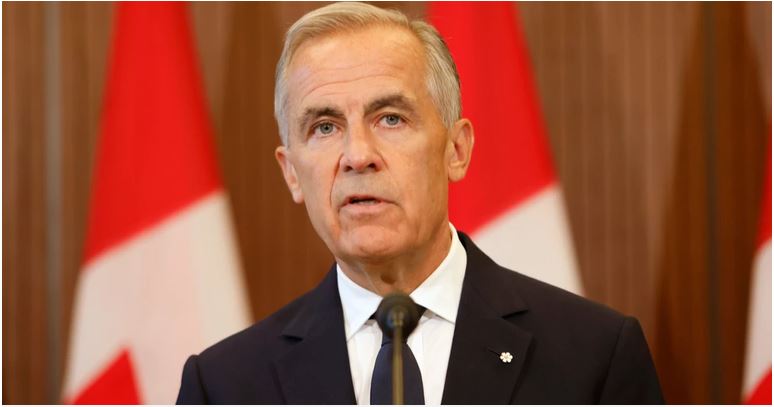
The United States and Canada, longtime allies separated by an undefended border, sank deeper into a trade war Saturday as negotiations collapsed amid angry exchanges and new tariffs expected to increase prices for consumers and businesses in both countries.
The two sides blamed each other for the breakdown of talks in Washington late Friday. The United States imposed 50% tariffs on about $20 billion worth of Canadian goods, while Canada announced that retaliatory tariffs would take effect Sept. 8.
The new U.S. tariffs will affect about 5% of Canada's annual exports to the United States, including products ranging from hockey sticks to tongue depressors.
Canadian Prime Minister Mark Carney said Ottawa would respond with targeted tariff measures to protect industries affected by the new U.S. duties, including certain steel products. He also cited the dairy, appliance, agricultural equipment, pulp and paper and electronics sectors.
No further negotiations were scheduled, and the dispute appeared to have inflicted significant damage on trust between the two countries.
Carney accused Washington of turning economic integration into a weapon and said Canada's longstanding relationship with the United States would not return to its previous form. Describing the tariffs as an attack, he said Canada had the reserves, resilience and a plan to respond.
U.S. Trade Representative Jamieson Greer, however, said Washington was forced to act after a year of Canadian retaliation.
"We've said enough, and so we've taken countermeasures. Our interest is in protecting American workers and protecting American supply chains," Greer told Fox News' "Fox & Friends Weekend."
Canada cites unacceptable demands
Carney said Canada had offered to remove its remaining retaliatory tariffs on steel, aluminum and automobiles if the United States significantly reduced its own tariffs. Ottawa was also prepared to encourage provinces to restore access for U.S. alcohol products.
But Carney said Washington's final demands went too far, arguing that Canada was being asked to give too much in exchange for too little.
Greer said the Trump administration had offered to reduce tariffs on steel, automobiles and lumber, areas that are particularly important to Canada.
Carney said the United States introduced additional conditions at the last minute that would have limited tariff relief for Canadian-made vehicles, restricted Canada's ability to negotiate trade agreements with other countries and weakened protections for language, culture and sovereignty.
He called the demands unacceptable.
The collapse of the talks was a sharp reversal from just two days earlier, when officials from both countries had indicated that a compromise was within reach.
Ontario Premier Doug Ford supported Carney's decision to reject the proposed deal, saying it could have harmed the province's auto, steel and manufacturing industries. He called for Canada to use every available measure to counter the U.S. tariffs.
The dispute also raises questions about the future of the North American trade agreement involving the United States, Canada and Mexico. Carney said the breakdown was "certainly not good news" for the agreement's upcoming review and had given Canada a new understanding of Washington's broader economic demands.
Longtime alliance strained
The political consequences of the dispute could prove greater than its immediate economic impact. The United States and Canada exchanged about $880 billion in goods and services last year.
The latest tariffs were initially scheduled to take effect early Wednesday, but Trump extended the deadline by three days to give negotiators more time. The talks ultimately failed to produce an agreement.
The two countries have disagreed over trade for decades, including disputes involving Canadian softwood lumber and U.S. access to Canada's protected dairy market. Despite those disagreements, they have remained close allies and trading partners.
Canadian and U.S. troops fought alongside each other in Afghanistan following the Sept. 11, 2001, attacks. Their 5,525-mile border remains undefended, with nearly 330,000 people and about $2 billion worth of goods crossing it every day. Around 800,000 Canadians also live in the United States.
Trump's trade policy toward Canada represents a major break from the traditionally cooperative relationship. He has imposed tariffs in an effort to encourage manufacturing in the United States and has repeatedly suggested that Canada could become America's 51st state.
Carney said Canada had accepted that "America has changed" and that the two countries would not return to their previous relationship.
Pressure grows for compromise
Public frustration is also rising in Canada. A petition calling for the expulsion of U.S. Ambassador Pete Hoekstra, a Trump ally, had gathered nearly 248,000 signatures since July 21. The petition criticizes Hoekstra for what it describes as normalizing Trump's comments about annexing Canada.
Both countries have strong economic incentives to reach a compromise.
Nearly 72% of Canada's goods exports went to the United States last year. The Trump administration may also face pressure to avoid imposing additional tariffs ahead of the November midterm elections, as American consumers are already concerned about the high cost of living.
"Both sides will be under immense pressure in the coming days to still find an off-ramp," said Ryan Majerus, a partner at King & Spalding and a former U.S. trade official.
Joshua Bolten, CEO of the Business Roundtable, warned that the tariffs and Canadian retaliation could increase costs for U.S. businesses and families while disrupting important supply chains. He urged both governments to return to negotiations.
Trump turns to Depression-era tariff law
Tariffs have been a central part of Trump's second-term economic strategy. Last year, he imposed double-digit tariffs on imports from nearly every country, arguing that the long-running U.S. trade deficit represented a national emergency.
The Supreme Court ruled in February that Trump had exceeded his authority in imposing much of that tariff program, paving the way for the federal government to issue refunds to importers.
The administration subsequently sought other legal grounds for imposing tariffs. In Canada's case, Trump invoked Section 338 of the Tariff Act of 1930, a rarely used provision that allows tariffs of up to 50% against countries considered to discriminate against U.S. businesses.
The provision is part of the Smoot-Hawley tariff law, which economists and historians have widely blamed for worsening the Great Depression by restricting international trade. Section 338 had never previously been used to impose tariffs.
The latest dispute comes as the United States, Canada and Mexico prepare to review their North American trade framework. Washington has already begun formal discussions with Mexico on revising the United States-Mexico-Canada Agreement, or USMCA, which Trump negotiated during his first term.
Formal talks with Canada have yet to begin, and the escalating trade conflict has cast further uncertainty over the future of the agreement.
The two sides blamed each other for the breakdown of talks in Washington late Friday. The United States imposed 50% tariffs on about $20 billion worth of Canadian goods, while Canada announced that retaliatory tariffs would take effect Sept. 8.
The new U.S. tariffs will affect about 5% of Canada's annual exports to the United States, including products ranging from hockey sticks to tongue depressors.
Canadian Prime Minister Mark Carney said Ottawa would respond with targeted tariff measures to protect industries affected by the new U.S. duties, including certain steel products. He also cited the dairy, appliance, agricultural equipment, pulp and paper and electronics sectors.
No further negotiations were scheduled, and the dispute appeared to have inflicted significant damage on trust between the two countries.
Carney accused Washington of turning economic integration into a weapon and said Canada's longstanding relationship with the United States would not return to its previous form. Describing the tariffs as an attack, he said Canada had the reserves, resilience and a plan to respond.
U.S. Trade Representative Jamieson Greer, however, said Washington was forced to act after a year of Canadian retaliation.
"We've said enough, and so we've taken countermeasures. Our interest is in protecting American workers and protecting American supply chains," Greer told Fox News' "Fox & Friends Weekend."
Canada cites unacceptable demands
Carney said Canada had offered to remove its remaining retaliatory tariffs on steel, aluminum and automobiles if the United States significantly reduced its own tariffs. Ottawa was also prepared to encourage provinces to restore access for U.S. alcohol products.
But Carney said Washington's final demands went too far, arguing that Canada was being asked to give too much in exchange for too little.
Greer said the Trump administration had offered to reduce tariffs on steel, automobiles and lumber, areas that are particularly important to Canada.
Carney said the United States introduced additional conditions at the last minute that would have limited tariff relief for Canadian-made vehicles, restricted Canada's ability to negotiate trade agreements with other countries and weakened protections for language, culture and sovereignty.
He called the demands unacceptable.
The collapse of the talks was a sharp reversal from just two days earlier, when officials from both countries had indicated that a compromise was within reach.
Ontario Premier Doug Ford supported Carney's decision to reject the proposed deal, saying it could have harmed the province's auto, steel and manufacturing industries. He called for Canada to use every available measure to counter the U.S. tariffs.
The dispute also raises questions about the future of the North American trade agreement involving the United States, Canada and Mexico. Carney said the breakdown was "certainly not good news" for the agreement's upcoming review and had given Canada a new understanding of Washington's broader economic demands.
Longtime alliance strained
The political consequences of the dispute could prove greater than its immediate economic impact. The United States and Canada exchanged about $880 billion in goods and services last year.
The latest tariffs were initially scheduled to take effect early Wednesday, but Trump extended the deadline by three days to give negotiators more time. The talks ultimately failed to produce an agreement.
The two countries have disagreed over trade for decades, including disputes involving Canadian softwood lumber and U.S. access to Canada's protected dairy market. Despite those disagreements, they have remained close allies and trading partners.
Canadian and U.S. troops fought alongside each other in Afghanistan following the Sept. 11, 2001, attacks. Their 5,525-mile border remains undefended, with nearly 330,000 people and about $2 billion worth of goods crossing it every day. Around 800,000 Canadians also live in the United States.
Trump's trade policy toward Canada represents a major break from the traditionally cooperative relationship. He has imposed tariffs in an effort to encourage manufacturing in the United States and has repeatedly suggested that Canada could become America's 51st state.
Carney said Canada had accepted that "America has changed" and that the two countries would not return to their previous relationship.
Pressure grows for compromise
Public frustration is also rising in Canada. A petition calling for the expulsion of U.S. Ambassador Pete Hoekstra, a Trump ally, had gathered nearly 248,000 signatures since July 21. The petition criticizes Hoekstra for what it describes as normalizing Trump's comments about annexing Canada.
Both countries have strong economic incentives to reach a compromise.
Nearly 72% of Canada's goods exports went to the United States last year. The Trump administration may also face pressure to avoid imposing additional tariffs ahead of the November midterm elections, as American consumers are already concerned about the high cost of living.
"Both sides will be under immense pressure in the coming days to still find an off-ramp," said Ryan Majerus, a partner at King & Spalding and a former U.S. trade official.
Joshua Bolten, CEO of the Business Roundtable, warned that the tariffs and Canadian retaliation could increase costs for U.S. businesses and families while disrupting important supply chains. He urged both governments to return to negotiations.
Trump turns to Depression-era tariff law
Tariffs have been a central part of Trump's second-term economic strategy. Last year, he imposed double-digit tariffs on imports from nearly every country, arguing that the long-running U.S. trade deficit represented a national emergency.
The Supreme Court ruled in February that Trump had exceeded his authority in imposing much of that tariff program, paving the way for the federal government to issue refunds to importers.
The administration subsequently sought other legal grounds for imposing tariffs. In Canada's case, Trump invoked Section 338 of the Tariff Act of 1930, a rarely used provision that allows tariffs of up to 50% against countries considered to discriminate against U.S. businesses.
The provision is part of the Smoot-Hawley tariff law, which economists and historians have widely blamed for worsening the Great Depression by restricting international trade. Section 338 had never previously been used to impose tariffs.
The latest dispute comes as the United States, Canada and Mexico prepare to review their North American trade framework. Washington has already begun formal discussions with Mexico on revising the United States-Mexico-Canada Agreement, or USMCA, which Trump negotiated during his first term.
Formal talks with Canada have yet to begin, and the escalating trade conflict has cast further uncertainty over the future of the agreement.

Loading...
Loading...
Also read









Editor : Iqbal Sobhan Chowdhury
Published by the Editor on behalf of the Observer Ltd. from Globe Printers, 24/A, New Eskaton Road, Ramna, Dhaka.
Editorial, News and Commercial Offices : Aziz Bhaban (2nd floor), 93, Motijheel C/A, Dhaka-1000.
Phone: PABX- 41053001-06; Advertisement: 41053012; 01793317829, 01550707291, E-mail: [email protected], [email protected] Online: email: [email protected] 41053014; 01550707297 Advertisement: 01550707296
Published by the Editor on behalf of the Observer Ltd. from Globe Printers, 24/A, New Eskaton Road, Ramna, Dhaka.
Editorial, News and Commercial Offices : Aziz Bhaban (2nd floor), 93, Motijheel C/A, Dhaka-1000.
Phone: PABX- 41053001-06; Advertisement: 41053012; 01793317829, 01550707291, E-mail: [email protected], [email protected] Online: email: [email protected] 41053014; 01550707297 Advertisement: 01550707296


