



| HEADLINE |

|

Canada to announce retaliatory tariffs as Trump tells leaders to 'fall in line'
Published : Tuesday, 25 August, 2026 at 9:27 AM
Observer Online Desk


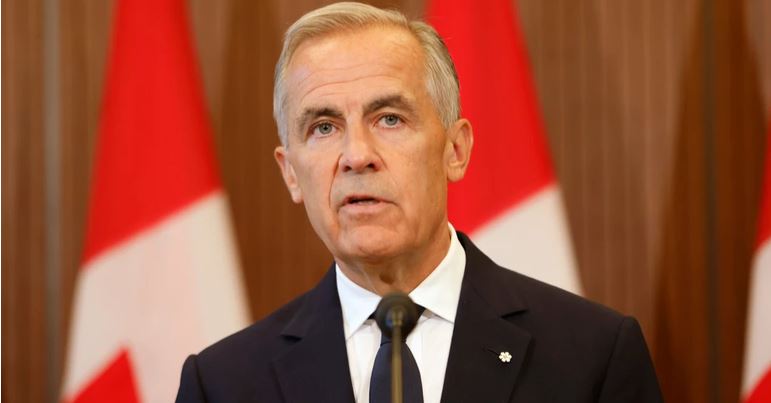
Canada is set to announce retaliatory tariffs against the United States on Tuesday after relations between the two countries deteriorated sharply, with President Donald Trump telling Canadian leaders to “fall in line” or face consequences “far WORSE” than the tariffs already in place.
Trump also threatened to impose new 50% tariffs on Canadian vehicles, auto parts and steel, while Canadian Prime Minister Mark Carney accused Washington of seeking to subordinate Canada.
Finance Minister François-Philippe Champagne and three other Cabinet ministers are expected to announce details Tuesday morning of support measures for workers affected by the tariffs.
Carney said Monday that Canada may need to move away from matching U.S. tariffs dollar-for-dollar and instead adopt more targeted retaliatory measures aimed at protecting Canadian workers and businesses.
“An attitude at the negotiation table that Canada is a subsidiary of the United States” is “not something we're going to accept,” Carney said.
Speaking in French, Carney was even more direct, saying Canada had learned during the negotiations that the United States wanted to “destroy our major industries, including autos, steel and aluminum.”
“That was one of the main reasons we said no. It was a bad deal,” he said.
The strong remarks from both sides reflect the sharp deterioration in U.S.-Canada relations since Carney ended trade negotiations with the Trump administration late Friday, prompting Trump to threaten 50% tariffs the following day on about $20 billion worth of Canadian goods.
Canada and the United States have one of the world's largest trading relationships, with highly integrated supply chains spanning automobiles, energy, agriculture and manufacturing. A prolonged trade dispute could therefore impose significant costs on businesses and workers in both countries.
Carney questioned Washington's reliability, saying Canada was finding dependable partners “everywhere in the world, except in the United States. Except in the United States. And Russia.”
Trump attacks Canadian leaders
Trump on Monday announced further tariff threats, saying he would impose new measures on Canada's auto industry beginning next year.
“Canada has been ripping off the United States of America for years,” Trump wrote on social media, criticizing what he described as Canada's “ridiculously high tariffs” on American farmers.
Carney said Washington's proposed measures against the auto sector would gradually dismantle Canadian vehicle production.
“This is the most successful automotive partnership in history,” Carney said, referring to the closely integrated Canada-U.S. auto industry.
Ontario Premier Doug Ford also criticized Trump, saying in an interview with The Associated Press that the U.S. president had underestimated Canadians' willingness to withstand economic pressure rather than give in to Washington.
“We're all in,” Ford said. “Up here, we're at a fever pitch; everyone's in for an economic war. They know they're going to have to sacrifice.”
Trump responded by personally attacking Ford, calling him “the less charismatic, intelligent, and overall unimpressive brother of the late, great, Rob Ford,” while again referring to Carney as “Governor Carney.”
Ford dismissed the remarks, saying: “If you think an insult from him hurts me? Well, bring it on, buddy, I'm ready.”
Ford is a Progressive Conservative while Carney is a Liberal, but both have emphasized broad political unity in Canada over the trade dispute.
Ford threatens critical minerals and electricity
Ford said “everything is on the table” if the dispute escalates, including potentially cutting off electricity and critical minerals supplied by Ontario to the United States.
Critical minerals have become increasingly important to U.S. national security and manufacturing. The Pentagon has sought more secure supplies of minerals used in military aircraft, missiles, munitions and electronics as Washington works to reduce its dependence on China, which dominates the mining or processing of several strategically important minerals.
Ford said Canada should consider tougher retaliation if Trump continues targeting Canadian industries, including oil and potash. Ontario, he said, could increase electricity prices or halt power exports to the United States.
“We power 1.5 million homes and businesses,” Ford said. “Everything's on the table. I'll do whatever it takes.”
Ford previously used electricity as leverage during an earlier stage of the dispute, when Ontario imposed a 25% surcharge on electricity exported to Michigan, Minnesota and New York. Trump responded by threatening to double tariffs on Canadian steel and aluminum before both sides stepped back.
Auto industry at center of dispute
Ford accused Trump of seeking not merely a better trade agreement but of weakening Canadian industries and shifting production to the United States.
“He wants to bleed out every single sector and bring them down to the U.S.,” Ford said.
The auto sector is particularly important to Ontario, Canada's main vehicle manufacturing hub. Plants and suppliers in the province are closely connected to factories in Michigan and other U.S. states, with auto parts frequently crossing the border several times during production.
Automakers including Ford, General Motors and Stellantis operate major assembly plants in Ontario, while the broader supply chain supports tens of thousands of jobs. Trump's proposed 50% tariffs on Canadian vehicles and parts therefore place the industry at the center of the escalating dispute.
U.S. Trade Representative Jamieson Greer said Monday that “the only reason Canada has auto production in the first place” was the 1960s Auto Pact, under which Canada used access to its market to encourage vehicle production in the country.
Ford opposed preliminary deal
Ford also said he had opposed a preliminary agreement that Carney was considering before Canada ended the negotiations. He said he was unwilling to restore American liquor products to Ontario store shelves as part of a deal.
“I wasn't going to put the booze back on the shelves,” Ford said. “I was ready to go out there and call a press conference … and say I'm not buckling over.”
Ford said Washington had sought language late in the negotiations that would have limited Canada's ability to negotiate trade agreements with other countries without U.S. approval. Carney has rejected the demand as unacceptable and a matter of Canadian sovereignty.
Carney said the dispute had also highlighted deeper differences over language and culture, with protections for French and Canadian culture that Washington considers trade irritants regarded as fundamental rights in Canada.
“Who does he think he is?” Ford said of Trump. “You gotta be kidding.”
Trump also threatened to impose new 50% tariffs on Canadian vehicles, auto parts and steel, while Canadian Prime Minister Mark Carney accused Washington of seeking to subordinate Canada.
Finance Minister François-Philippe Champagne and three other Cabinet ministers are expected to announce details Tuesday morning of support measures for workers affected by the tariffs.
Carney said Monday that Canada may need to move away from matching U.S. tariffs dollar-for-dollar and instead adopt more targeted retaliatory measures aimed at protecting Canadian workers and businesses.
“An attitude at the negotiation table that Canada is a subsidiary of the United States” is “not something we're going to accept,” Carney said.
Speaking in French, Carney was even more direct, saying Canada had learned during the negotiations that the United States wanted to “destroy our major industries, including autos, steel and aluminum.”
“That was one of the main reasons we said no. It was a bad deal,” he said.
The strong remarks from both sides reflect the sharp deterioration in U.S.-Canada relations since Carney ended trade negotiations with the Trump administration late Friday, prompting Trump to threaten 50% tariffs the following day on about $20 billion worth of Canadian goods.
Canada and the United States have one of the world's largest trading relationships, with highly integrated supply chains spanning automobiles, energy, agriculture and manufacturing. A prolonged trade dispute could therefore impose significant costs on businesses and workers in both countries.
Carney questioned Washington's reliability, saying Canada was finding dependable partners “everywhere in the world, except in the United States. Except in the United States. And Russia.”
Trump attacks Canadian leaders
Trump on Monday announced further tariff threats, saying he would impose new measures on Canada's auto industry beginning next year.
“Canada has been ripping off the United States of America for years,” Trump wrote on social media, criticizing what he described as Canada's “ridiculously high tariffs” on American farmers.
Carney said Washington's proposed measures against the auto sector would gradually dismantle Canadian vehicle production.
“This is the most successful automotive partnership in history,” Carney said, referring to the closely integrated Canada-U.S. auto industry.
Ontario Premier Doug Ford also criticized Trump, saying in an interview with The Associated Press that the U.S. president had underestimated Canadians' willingness to withstand economic pressure rather than give in to Washington.
“We're all in,” Ford said. “Up here, we're at a fever pitch; everyone's in for an economic war. They know they're going to have to sacrifice.”
Trump responded by personally attacking Ford, calling him “the less charismatic, intelligent, and overall unimpressive brother of the late, great, Rob Ford,” while again referring to Carney as “Governor Carney.”
Ford dismissed the remarks, saying: “If you think an insult from him hurts me? Well, bring it on, buddy, I'm ready.”
Ford is a Progressive Conservative while Carney is a Liberal, but both have emphasized broad political unity in Canada over the trade dispute.
Ford threatens critical minerals and electricity
Ford said “everything is on the table” if the dispute escalates, including potentially cutting off electricity and critical minerals supplied by Ontario to the United States.
Critical minerals have become increasingly important to U.S. national security and manufacturing. The Pentagon has sought more secure supplies of minerals used in military aircraft, missiles, munitions and electronics as Washington works to reduce its dependence on China, which dominates the mining or processing of several strategically important minerals.
Ford said Canada should consider tougher retaliation if Trump continues targeting Canadian industries, including oil and potash. Ontario, he said, could increase electricity prices or halt power exports to the United States.
“We power 1.5 million homes and businesses,” Ford said. “Everything's on the table. I'll do whatever it takes.”
Ford previously used electricity as leverage during an earlier stage of the dispute, when Ontario imposed a 25% surcharge on electricity exported to Michigan, Minnesota and New York. Trump responded by threatening to double tariffs on Canadian steel and aluminum before both sides stepped back.
Auto industry at center of dispute
Ford accused Trump of seeking not merely a better trade agreement but of weakening Canadian industries and shifting production to the United States.
“He wants to bleed out every single sector and bring them down to the U.S.,” Ford said.
The auto sector is particularly important to Ontario, Canada's main vehicle manufacturing hub. Plants and suppliers in the province are closely connected to factories in Michigan and other U.S. states, with auto parts frequently crossing the border several times during production.
Automakers including Ford, General Motors and Stellantis operate major assembly plants in Ontario, while the broader supply chain supports tens of thousands of jobs. Trump's proposed 50% tariffs on Canadian vehicles and parts therefore place the industry at the center of the escalating dispute.
U.S. Trade Representative Jamieson Greer said Monday that “the only reason Canada has auto production in the first place” was the 1960s Auto Pact, under which Canada used access to its market to encourage vehicle production in the country.
Ford opposed preliminary deal
Ford also said he had opposed a preliminary agreement that Carney was considering before Canada ended the negotiations. He said he was unwilling to restore American liquor products to Ontario store shelves as part of a deal.
“I wasn't going to put the booze back on the shelves,” Ford said. “I was ready to go out there and call a press conference … and say I'm not buckling over.”
Ford said Washington had sought language late in the negotiations that would have limited Canada's ability to negotiate trade agreements with other countries without U.S. approval. Carney has rejected the demand as unacceptable and a matter of Canadian sovereignty.
Carney said the dispute had also highlighted deeper differences over language and culture, with protections for French and Canadian culture that Washington considers trade irritants regarded as fundamental rights in Canada.
“Who does he think he is?” Ford said of Trump. “You gotta be kidding.”

Loading...
Loading...
Also read








Editor : Iqbal Sobhan Chowdhury
Published by the Editor on behalf of the Observer Ltd. from Globe Printers, 24/A, New Eskaton Road, Ramna, Dhaka.
Editorial, News and Commercial Offices : Aziz Bhaban (2nd floor), 93, Motijheel C/A, Dhaka-1000.
Phone: PABX- 41053001-06; Advertisement: 41053012; 01793317829, 01550707291, E-mail: [email protected], [email protected] Online: email: [email protected] 41053014; 01550707297 Advertisement: 01550707296
Published by the Editor on behalf of the Observer Ltd. from Globe Printers, 24/A, New Eskaton Road, Ramna, Dhaka.
Editorial, News and Commercial Offices : Aziz Bhaban (2nd floor), 93, Motijheel C/A, Dhaka-1000.
Phone: PABX- 41053001-06; Advertisement: 41053012; 01793317829, 01550707291, E-mail: [email protected], [email protected] Online: email: [email protected] 41053014; 01550707297 Advertisement: 01550707296


