



| HEADLINE |

|

US diesel prices hit record high amid Iran war
Published : Friday, 4 September, 2026 at 7:05 PM
Observer Online Report


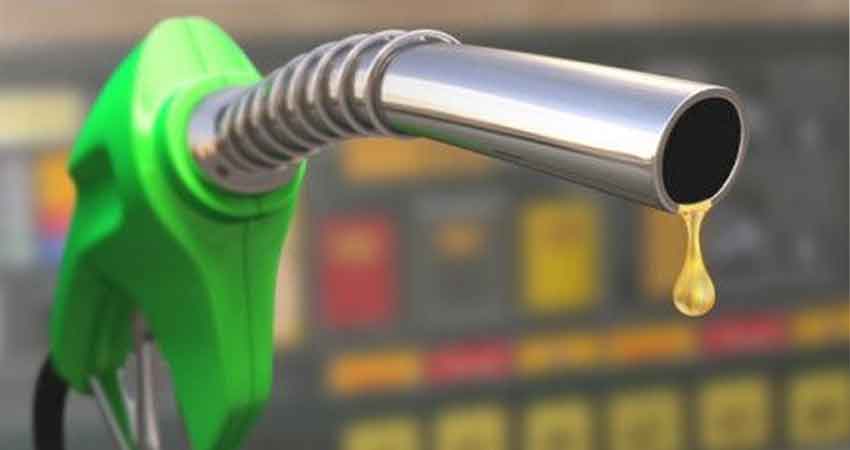
The impact of the ongoing war with Iran is now being felt directly by people in the United States. The average price of diesel in the country has risen to an all-time high, putting additional pressure on transportation and various commercial activities.
Diesel is widely used in trucks, trains, vessels and buses, as well as in vehicles and machinery used in agriculture and construction across the United States. As a result, the increase in fuel prices could affect not only drivers but also various sectors involved in transporting goods and related activities, according to a BBC report.
According to data from the American Automobile Association (AAA), the current average price of diesel in the United States is $5.85 per gallon. At the same time last year, the price was $3.71. The current price has even surpassed the previous record set after Russia launched its full-scale invasion of Ukraine.
Fuel prices in the United States began rising rapidly from late February after the conflict with Iran began. The increase in wholesale oil prices in the global market is considered one of the main reasons behind the rise.
As part of efforts to ease the pressure from higher fuel prices, US President Donald Trump recently promised to “bring down gas prices significantly” for all Americans. To this end, he has also announced plans for an oil deal with Venezuela.
Earlier in January, former Venezuelan leader Nicolás Maduro was detained by US special forces, Delta Force. He was captured during an operation authorized by President Trump.
Under the latest agreement announced on Saturday, plans have been made to develop 17 strategic oil fields in Venezuela, which are estimated to contain proven reserves of around 65 billion barrels of oil. According to Venezuelan interim President Delcy Rodríguez, the projects could attract more than $100 billion in investment and generate more than $209 billion in tax revenue.
A US official, speaking to CBS News on condition of anonymity, said the United States would retain a 55 percent controlling stake through a joint venture with an experienced Venezuelan private company.
However, doubts have also emerged over the agreement. Some analysts have questioned how effectively the new deal will overcome the longstanding investment barriers in Venezuela’s oil sector.
Meanwhile, the crisis surrounding the Strait of Hormuz has also emerged as a major factor behind the rise in global oil prices. Crude oil is one of the primary components used to produce gasoline. The effective closure of the Strait of Hormuz in response to the war against Iran has created major uncertainty over global oil supplies.
-MT

Loading...
Loading...
Also read









Editor : Iqbal Sobhan Chowdhury
Published by the Editor on behalf of the Observer Ltd. from Globe Printers, 24/A, New Eskaton Road, Ramna, Dhaka.
Editorial, News and Commercial Offices : Aziz Bhaban (2nd floor), 93, Motijheel C/A, Dhaka-1000.
Phone: PABX- 41053001-06; Advertisement: 41053012; 01793317829, 01550707291, E-mail: [email protected], [email protected] Online: email: [email protected] 41053014; 01550707297 Advertisement: 01550707296
Published by the Editor on behalf of the Observer Ltd. from Globe Printers, 24/A, New Eskaton Road, Ramna, Dhaka.
Editorial, News and Commercial Offices : Aziz Bhaban (2nd floor), 93, Motijheel C/A, Dhaka-1000.
Phone: PABX- 41053001-06; Advertisement: 41053012; 01793317829, 01550707291, E-mail: [email protected], [email protected] Online: email: [email protected] 41053014; 01550707297 Advertisement: 01550707296


