



| HEADLINE |

|
The silent health challenge for women
Published : Saturday, 5 September, 2026 at 12:00 AM
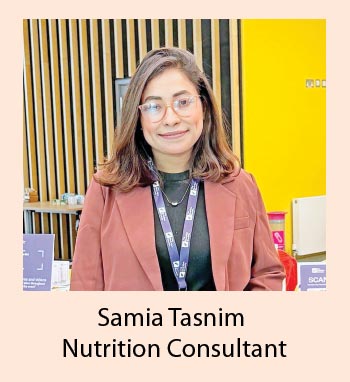
Samia Tasnim


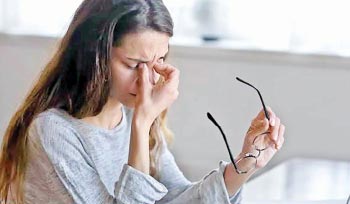
 Feeling tired throughout the day, lacking the energy to work, becoming breathless after a short walk, experiencing dizziness, difficulty concentrating, low mood or even shortness of breath�"many women consider these symptoms a normal consequence of a busy lifestyle, inadequate sleep or everyday stress. However, these seemingly ordinary complaints may sometimes be signs of a very common yet frequently overlooked problem: iron deficiency.
Iron is an essential mineral that plays a vital role in maintaining good health. It is required for the production of haemoglobin, the protein in red blood cells that carries oxygen from the lungs to different tissues and organs throughout the body. Iron is also involved in energy production, muscle function and several important cellular processes. When the body’s iron stores become depleted, iron deficiency develops. If the deficiency persists, haemoglobin production may eventually be affected, leading to iron-deficiency anaemia.
An important point is that iron deficiency can occur before anaemia develops. In other words, a woman may have a haemoglobin level within the normal range while already having depleted iron stores and experiencing symptoms such as fatigue, reduced physical capacity or difficulty concentrating.
Women of reproductive age are particularly vulnerable to iron deficiency. One of the major reasons is regular blood loss through menstruation. Women who experience heavy or prolonged menstrual bleeding are at an even greater risk. During pregnancy, the body’s requirement for iron increases substantially because additional iron is needed for the expansion of the mother’s blood volume, the placenta and the normal growth and development of the fetus. According to the World Health Organization (WHO), approximately 30% of women aged 15�"49 years worldwide are affected by anaemia, while the prevalence is around 37% among pregnant women.
Diet is another important factor. There are two major forms of dietary iron: haem iron and non-haem iron. Haem iron is mainly found in animal-source foods such as meat, poultry, fish and seafood and is generally absorbed more efficiently by the body. Non-haem iron is found primarily in plant-based foods such as lentils, beans, chickpeas, leafy green vegetables, nuts and seeds. Its absorption can be improved by consuming vitamin C-rich foods such as guava, oranges, lemons and tomatoes with meals. On the other hand, tea and coffee consumed with or immediately after meals may reduce the absorption of non-haem iron. Therefore, women with low iron levels should avoid taking tea or coffee alongside iron-rich meals.
 Iron deficiency, however, is not always caused by inadequate dietary intake. Heavy menstrual bleeding, gastrointestinal blood loss, certain infections, impaired intestinal absorption and some chronic diseases may also contribute. Therefore, taking iron supplements for a prolonged period without identifying the underlying cause is not advisable. Appropriate assessment and professional guidance are important.
Common symptoms of iron deficiency and iron-deficiency anaemia include persistent fatigue, weakness, dizziness, headaches, shortness of breath during physical activity, reduced work capacity and pale skin. Some women may also experience unusual cravings for ice or other non-food substances, a condition known as pica. Interestingly, iron deficiency may also be associated with low mood and psychological symptoms. Women may sometimes interpret these changes as ordinary emotional difficulties or the inevitable stress of daily life, without considering that a nutritional deficiency could be contributing to the problem.
Prevention begins with a balanced and varied diet that includes iron-rich foods such as fish, meat, eggs, liver, lentils, beans and green leafy vegetables. Fruits such as guava, oranges and other vitamin C-rich fruits can help improve the absorption of plant-based iron. A banana, dates or pomegranate can certainly be part of a healthy diet, but they should not be considered major sources of iron.
For women, maintaining adequate protein intake is also important for overall health. Depending on individual needs, approximately 0.8�"1.0 g of protein per kilogram of body weight per day may be appropriate for healthy adults, although requirements can be higher during pregnancy, lactation, older age or certain health conditions. Including an egg, fruits and approximately two servings of green and yellow vegetables as part of a balanced daily diet can contribute to overall nutritional adequacy.
However, diet alone may not always correct iron deficiency. Women with heavy menstrual bleeding, pregnancy, persistent fatigue or other risk factors may require blood tests, including haemoglobin and appropriate iron-status markers such as serum ferritin, based on clinical assessment. If deficiency is confirmed, iron supplementation may be necessary under the guidance of a qualified healthcare professional.
Women should not consider persistent fatigue, breathlessness or low mood as something they simply have to live with. These may be the body’s way of signalling an underlying nutritional or medical problem. Early identification and appropriate treatment of iron deficiency can help improve energy, physical capacity, concentration, overall wellbeing and quality of life. Iron deficiency may be silent, but it should never be ignored.
Loading...
Loading...
Also read



Editor : Iqbal Sobhan Chowdhury
Published by the Editor on behalf of the Observer Ltd. from Globe Printers, 24/A, New Eskaton Road, Ramna, Dhaka.
Editorial, News and Commercial Offices : Aziz Bhaban (2nd floor), 93, Motijheel C/A, Dhaka-1000.
Phone: PABX- 41053001-06; Advertisement: 41053012; 01793317829, 01550707291, E-mail: [email protected], [email protected] Online: email: [email protected] 41053014; 01550707297 Advertisement: 01550707296
Published by the Editor on behalf of the Observer Ltd. from Globe Printers, 24/A, New Eskaton Road, Ramna, Dhaka.
Editorial, News and Commercial Offices : Aziz Bhaban (2nd floor), 93, Motijheel C/A, Dhaka-1000.
Phone: PABX- 41053001-06; Advertisement: 41053012; 01793317829, 01550707291, E-mail: [email protected], [email protected] Online: email: [email protected] 41053014; 01550707297 Advertisement: 01550707296


