



| HEADLINE |

|

No jail for check dishonour if debt is paid and dispute settled: High Court
Published : Wednesday, 9 September, 2026 at 11:53 AM
Observer Online Report


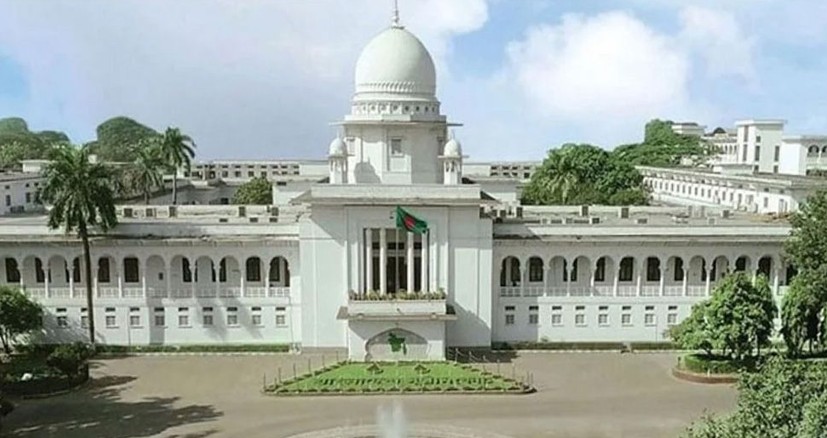
The High Court has ruled that a person convicted in a cheque dishonour case should not be sent to prison or made to serve a custodial sentence if the financial liability mentioned in the cheque has been fully paid and the parties have reached a settlement.
A single bench of the HC headed by Justice Md Bashir Ullah delivered the ruling in the case of Md Abdul Hannan Master vs the State and others on September 6.
The court observed that the primary objective of a cheque dishonour case filed under Section 138 of the Negotiable Instruments Act, 1881, is not to punish or imprison the accused, but to ensure recovery of the outstanding money.
In its judgment, the court also set aside the one-year imprisonment imposed on the convicted person after noting that the cheque amount and all dues owed to the bank had been paid in full and the dispute had been settled between the parties.
The High Court further directed that Tk 14,100, deposited with the lower court before the appeal, be handed over to BRAC Microfinance.
The ruling effectively underscores that where the underlying financial liability has been fully discharged and the parties have amicably settled the dispute, maintaining a custodial sentence in a cheque dishonour case would not be appropriate.
In its judgment, the court also set aside the one-year imprisonment imposed on the convicted person after noting that the cheque amount and all dues owed to the bank had been paid in full and the dispute had been settled between the parties.
The High Court further directed that Tk 14,100, deposited with the lower court before the appeal, be handed over to BRAC Microfinance.
The ruling effectively underscores that where the underlying financial liability has been fully discharged and the parties have amicably settled the dispute, maintaining a custodial sentence in a cheque dishonour case would not be appropriate.

Loading...
Loading...
Also read









Editor : Iqbal Sobhan Chowdhury
Published by the Editor on behalf of the Observer Ltd. from Globe Printers, 24/A, New Eskaton Road, Ramna, Dhaka.
Editorial, News and Commercial Offices : Aziz Bhaban (2nd floor), 93, Motijheel C/A, Dhaka-1000.
Phone: PABX- 41053001-06; Advertisement: 41053012; 01793317829, 01550707291, E-mail: [email protected], [email protected] Online: email: [email protected] 41053014; 01550707297 Advertisement: 01550707296
Published by the Editor on behalf of the Observer Ltd. from Globe Printers, 24/A, New Eskaton Road, Ramna, Dhaka.
Editorial, News and Commercial Offices : Aziz Bhaban (2nd floor), 93, Motijheel C/A, Dhaka-1000.
Phone: PABX- 41053001-06; Advertisement: 41053012; 01793317829, 01550707291, E-mail: [email protected], [email protected] Online: email: [email protected] 41053014; 01550707297 Advertisement: 01550707296


