



| HEADLINE |

|

Bangladeshis in Malaysia file 450 complaints, 330 resolved
Published : Friday, 11 September, 2026 at 6:20 PM
Observer online report


Bangladeshi workers in Malaysia have lodged around 450 complaints over unpaid wages, visa problems and recruitment-related disputes since the recruitment process began in 2022, with more than 330 cases resolved, according to the Bangladesh High Commission.
Many workers who travelled to Malaysia legally on calling visas have faced recruitment-related debt, delayed or unpaid wages, visa and immigration complications, and difficulties returning home.
The High Commission said the complaints were resolved through mediation between employers and workers, with assistance from relevant Malaysian authorities and other stakeholders.
The complaints included delays in salary payments, visa renewals, recruitment complications and employment disputes. Some workers reportedly borrowed large sums before travelling to Malaysia and faced increased financial pressure when they did not receive the jobs or wages promised to them.
Several Bangladeshi workers told *Jago News* that information provided before their departure about jobs, salaries and working conditions often did not match the reality after they arrived in Malaysia.
One worker said many labourers initially did not know where to seek quick redress when problems arose over wages or employment conditions. The pressure of loan instalments, family expenses and maintaining valid documents often forced them to continue working despite the problems.
Another worker said many disputes could be avoided if all recruitment terms were clearly written and verifiable. The worker also called for an effective mechanism to ensure quick complaints over employer changes, unpaid wages and visa complications.
Community leaders said preventing irregularities at the recruitment stage was more important than resolving problems later. They stressed the need to verify job descriptions, salaries, workplaces, accommodation, employers and other conditions before sending workers from Bangladesh.
They also called for stronger coordination among Bangladeshi recruiting agencies, Malaysian employers, government agencies and the Bangladesh High Commission to protect workers’ rights and prevent repeated complaints.
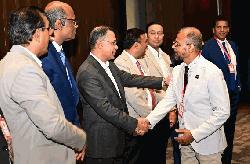
On September 8, the Bangladesh High Commission highlighted the country’s initiatives and best practices to protect migrant workers at a panel discussion in Penang organised by the Responsible Business Alliance.
Deputy High Commissioner Shahanara Monika said the mission was working to resolve complaints, ensure compensation and redress, provide welfare support and facilitate the dignified return of workers through coordination among workers, employers, Malaysian authorities and other stakeholders.
The High Commission described the resolution of more than 330 of the 450 complaints as positive progress. However, concerned people said the remaining cases should be resolved quickly and steps should be taken to prevent similar complaints in the future.
Workers said the promises made before their departure should match the opportunities available in Malaysia. They also stressed that quick, transparent and effective redress would be their greatest protection when problems arise.
sks

Loading...
Loading...
Also read








Editor : Iqbal Sobhan Chowdhury
Published by the Editor on behalf of the Observer Ltd. from Globe Printers, 24/A, New Eskaton Road, Ramna, Dhaka.
Editorial, News and Commercial Offices : Aziz Bhaban (2nd floor), 93, Motijheel C/A, Dhaka-1000.
Phone: PABX- 41053001-06; Advertisement: 41053012; 01793317829, 01550707291, E-mail: [email protected], [email protected] Online: email: [email protected] 41053014; 01550707297 Advertisement: 01550707296
Published by the Editor on behalf of the Observer Ltd. from Globe Printers, 24/A, New Eskaton Road, Ramna, Dhaka.
Editorial, News and Commercial Offices : Aziz Bhaban (2nd floor), 93, Motijheel C/A, Dhaka-1000.
Phone: PABX- 41053001-06; Advertisement: 41053012; 01793317829, 01550707291, E-mail: [email protected], [email protected] Online: email: [email protected] 41053014; 01550707297 Advertisement: 01550707296


