



| HEADLINE |

|

Jamaat after election: A series of controversies
Published : Monday, 5 October, 2026 at 4:45 PM
Aamir Al Hamza


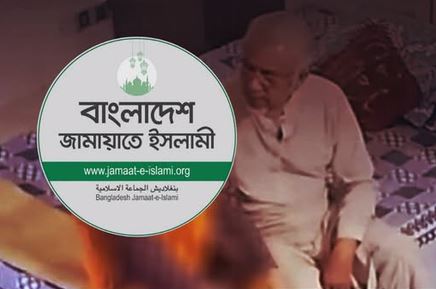
Collected Photo
Jamaat-e-Islami’s rise as the main parliamentary opposition after the election has been followed by a series of controversies involving its lawmakers, activists and affiliated organisations.
Since the election, the party has faced criticism over the conduct of some of its MPs, including the Gazi Nazrul controversy, allegations of sexual misconduct involving Jamaat-linked figures, claims of nepotism, parliamentary walkouts and clashes involving its activists. These incidents have drawn renewed attention to Jamaat’s claim of being a disciplined and morally guided political force.
The party has also remained at the centre of political debate over its position on the 1971 Liberation War and its use of religious issues in politics. Meanwhile, repeated walkouts by its lawmakers over parliamentary and constitutional issues have added to questions about its role as the main opposition.
Against this backdrop, the following are some of the major controversies and allegations involving Jamaat since the election:
1. Gazi Nazrul controversy exposes jamaat's double standards
Jamaat, which projects itself as a party of strict moral discipline, faced controversy after Satkhira-4 MP Gazi Nazrul Islam was expelled over what it called “moral misconduct” following the circulation of videos involving a woman he identified as his second wife.
The controversy deepened in September after his second wife, 19-year-old Mariam Khatun, was found dead, with her family filing a case alleging that Nazrul and his first wife had abetted her suicide and physically and mentally tortured her. Nazrul and his first wife were subsequently remanded in the case.
2. Series of rape allegations put Jamaat-linked figures under scrutiny
One of the most serious sources of controversy has been a series of rape allegations involving individuals associated with Jamaat and its affiliated organisations.
In June, expelled Islami Chhatra Shibir leader Jisan Mia Pradhan was arrested in Cumilla in a case filed over allegations of rape, forced abortion and criminal intimidation. A court subsequently sent him to jail and later granted police remand for further questioning. The court also ordered DNA profiling in connection with the case. Shibir removed Jisan from his organisational post following his arrest.
3. Jubo Jamaat leader accused of rape and forced abortion
In another case, Md Shahidul Islam, president of the Patuakhali Sadar upazila unit of Jubo Jamaat, was accused by a woman of repeatedly raping her after allegedly promising to marry her and subsequently forcing her to terminate a pregnancy.
The woman filed a case with the Women and Children Repression Prevention Tribunal, which directed police to register the case and take legal action. Shahidul was reported to be absconding. Jamaat’s Patuakhali district leadership said it would take disciplinary action if the allegations were proved in court.
4. Jamaat leader accused of attempting to rape a schoolgirl
In August, a Jamaat leader in Naogaon faced an allegation of attempting to rape a female student at an educational institution.
The accused, Shafiul Hasan, was identified as the Jamaat amir of Akkelpur upazila as well as a school headteacher and nikah registrar. The allegation triggered protests and an attack on the educational institution.
5. Jamaat member arrested over alleged sexual harassment of a child
In Rajshahi, Jamaat member Omar Faruk was arrested after a family accused him of sexually harassing a nine-year-old girl. Faruk was identified as a member of a Jamaat ward unit. Police arrested him after the allegation was made.
6. Former Jamaat leader arrested in child rape case
The allegations did not end with adult victims. In September, police in Noakhali arrested a former Jamaat ward president, Md Alamgir Hossain Farazi, after a case was filed alleging the rape of a fifth-grade student.
7. Post-election mob violence
Post-election violence spread across Bangladesh, with Jamaat and Shibir-linked activists involved in several clashes and confrontations.
Rights group Odhikar recorded 104 incidents between February 13 and 28, leaving 10 people dead and 476 injured. Odhikar, however, found that Jamaat and its allies were linked to 9 percent of post-election violence, compared with 75 percent linked to BNP and its allies.
Later, JCD-Shibir clashes at four campuses in August left more than 90 people injured, with activists from both sides reportedly carrying sticks, iron rods and locally made weapons.
8. Social media propaganda and the “Bot Army”
Jamaat and pro-Jamaat online networks have increasingly drawn attention for coordinated social-media campaigns aimed at amplifying the party’s political narratives and countering criticism.
Fact-checkers have identified fake quotes, manipulated images, AI-generated content and misleading claims circulated through pro-Jamaat pages and accounts.
Critics have also alleged the use of organised “bot armies” and coordinated accounts to flood social media with favourable posts, attack opponents and create an impression of widespread public support. While not every account can be directly linked to Jamaat, the growing influence of coordinated online activity has raised concerns about misinformation and the manipulation of public discourse.
9. Akhtaruzzaman’s airport controversy
Jamaat leader Major (retd) Akhtaruzzaman was arrested after a case accused him of threatening airport officials, obstructing government duties and assaulting a security officer during a dispute at Hazrat Shahjalal International Airport.
A court later sent him to jail after rejecting his bail plea, while Jamaat described the case as politically motivated.
10. Internet conflicts and indiscipline
Jamaat often portrays itself as Bangladesh’s most disciplined and organised political force, with strict rules of conduct for its leaders and activists.
However, post-election controversies involving sexual misconduct allegations, assaults, clashes, online disputes and other disciplinary breaches have raised questions about whether the party’s public image of discipline is reflected in the actual conduct of its members.
11. Parliament walkouts raise concerns
Jamaat MPs have repeatedly walked out of Parliament over disagreements with the government and parliamentary decisions.
While the party has defended the walkouts as a form of protest, repeated withdrawals from parliamentary proceedings have disrupted legislative business and raised concerns about the effective functioning of Parliament and the quality of democratic debate.
12. Opposition Role Raises Political Concerns
After the election, Jamaat had pledged to emerge as a responsible and constructive opposition in Parliament.
However, repeated walkouts, confrontations and controversies involving some of its lawmakers and activists have raised concerns over its role in parliamentary politics.
Critics argue that such conduct is disrupting constructive political engagement, weakening parliamentary debate and contributing to further instability in Bangladesh’s political environment.
13. Using July as a Political Tool
Jamaat has repeatedly invoked the July uprising in its political demands and rhetoric, drawing criticism that the party is using the movement as a political tool to strengthen its position and put pressure on the government.
Critics say such politicisation of July risks deepening political divisions and undermining efforts to build a broader national consensus.
14. Post-Election Remarks on 1971
After the election, several Jamaat leaders came under criticism over remarks concerning the 1971 Liberation War and the party’s wartime role.
Their statements triggered renewed political debate over Jamaat’s historical position and its approach to Bangladesh’s Liberation War, keeping the issue at the centre of controversy even after the party entered Parliament as the main opposition.
Since the election, the party has faced criticism over the conduct of some of its MPs, including the Gazi Nazrul controversy, allegations of sexual misconduct involving Jamaat-linked figures, claims of nepotism, parliamentary walkouts and clashes involving its activists. These incidents have drawn renewed attention to Jamaat’s claim of being a disciplined and morally guided political force.
The party has also remained at the centre of political debate over its position on the 1971 Liberation War and its use of religious issues in politics. Meanwhile, repeated walkouts by its lawmakers over parliamentary and constitutional issues have added to questions about its role as the main opposition.
Against this backdrop, the following are some of the major controversies and allegations involving Jamaat since the election:
1. Gazi Nazrul controversy exposes jamaat's double standards
Jamaat, which projects itself as a party of strict moral discipline, faced controversy after Satkhira-4 MP Gazi Nazrul Islam was expelled over what it called “moral misconduct” following the circulation of videos involving a woman he identified as his second wife.
The controversy deepened in September after his second wife, 19-year-old Mariam Khatun, was found dead, with her family filing a case alleging that Nazrul and his first wife had abetted her suicide and physically and mentally tortured her. Nazrul and his first wife were subsequently remanded in the case.
2. Series of rape allegations put Jamaat-linked figures under scrutiny
One of the most serious sources of controversy has been a series of rape allegations involving individuals associated with Jamaat and its affiliated organisations.
In June, expelled Islami Chhatra Shibir leader Jisan Mia Pradhan was arrested in Cumilla in a case filed over allegations of rape, forced abortion and criminal intimidation. A court subsequently sent him to jail and later granted police remand for further questioning. The court also ordered DNA profiling in connection with the case. Shibir removed Jisan from his organisational post following his arrest.
3. Jubo Jamaat leader accused of rape and forced abortion
In another case, Md Shahidul Islam, president of the Patuakhali Sadar upazila unit of Jubo Jamaat, was accused by a woman of repeatedly raping her after allegedly promising to marry her and subsequently forcing her to terminate a pregnancy.
The woman filed a case with the Women and Children Repression Prevention Tribunal, which directed police to register the case and take legal action. Shahidul was reported to be absconding. Jamaat’s Patuakhali district leadership said it would take disciplinary action if the allegations were proved in court.
4. Jamaat leader accused of attempting to rape a schoolgirl
In August, a Jamaat leader in Naogaon faced an allegation of attempting to rape a female student at an educational institution.
The accused, Shafiul Hasan, was identified as the Jamaat amir of Akkelpur upazila as well as a school headteacher and nikah registrar. The allegation triggered protests and an attack on the educational institution.
5. Jamaat member arrested over alleged sexual harassment of a child
In Rajshahi, Jamaat member Omar Faruk was arrested after a family accused him of sexually harassing a nine-year-old girl. Faruk was identified as a member of a Jamaat ward unit. Police arrested him after the allegation was made.
6. Former Jamaat leader arrested in child rape case
The allegations did not end with adult victims. In September, police in Noakhali arrested a former Jamaat ward president, Md Alamgir Hossain Farazi, after a case was filed alleging the rape of a fifth-grade student.
The case added another serious allegation involving a former Jamaat office-bearer to the growing list of controversies surrounding individuals linked to the party.
know more Jamaater ekal sekal
7. Post-election mob violence
Post-election violence spread across Bangladesh, with Jamaat and Shibir-linked activists involved in several clashes and confrontations.
Rights group Odhikar recorded 104 incidents between February 13 and 28, leaving 10 people dead and 476 injured. Odhikar, however, found that Jamaat and its allies were linked to 9 percent of post-election violence, compared with 75 percent linked to BNP and its allies.
Later, JCD-Shibir clashes at four campuses in August left more than 90 people injured, with activists from both sides reportedly carrying sticks, iron rods and locally made weapons.
8. Social media propaganda and the “Bot Army”
Jamaat and pro-Jamaat online networks have increasingly drawn attention for coordinated social-media campaigns aimed at amplifying the party’s political narratives and countering criticism.
Fact-checkers have identified fake quotes, manipulated images, AI-generated content and misleading claims circulated through pro-Jamaat pages and accounts.
Critics have also alleged the use of organised “bot armies” and coordinated accounts to flood social media with favourable posts, attack opponents and create an impression of widespread public support. While not every account can be directly linked to Jamaat, the growing influence of coordinated online activity has raised concerns about misinformation and the manipulation of public discourse.
9. Akhtaruzzaman’s airport controversy
Jamaat leader Major (retd) Akhtaruzzaman was arrested after a case accused him of threatening airport officials, obstructing government duties and assaulting a security officer during a dispute at Hazrat Shahjalal International Airport.
A court later sent him to jail after rejecting his bail plea, while Jamaat described the case as politically motivated.
10. Internet conflicts and indiscipline
Jamaat often portrays itself as Bangladesh’s most disciplined and organised political force, with strict rules of conduct for its leaders and activists.
However, post-election controversies involving sexual misconduct allegations, assaults, clashes, online disputes and other disciplinary breaches have raised questions about whether the party’s public image of discipline is reflected in the actual conduct of its members.
11. Parliament walkouts raise concerns
Jamaat MPs have repeatedly walked out of Parliament over disagreements with the government and parliamentary decisions.
While the party has defended the walkouts as a form of protest, repeated withdrawals from parliamentary proceedings have disrupted legislative business and raised concerns about the effective functioning of Parliament and the quality of democratic debate.
12. Opposition Role Raises Political Concerns
After the election, Jamaat had pledged to emerge as a responsible and constructive opposition in Parliament.
However, repeated walkouts, confrontations and controversies involving some of its lawmakers and activists have raised concerns over its role in parliamentary politics.
Critics argue that such conduct is disrupting constructive political engagement, weakening parliamentary debate and contributing to further instability in Bangladesh’s political environment.
13. Using July as a Political Tool
Jamaat has repeatedly invoked the July uprising in its political demands and rhetoric, drawing criticism that the party is using the movement as a political tool to strengthen its position and put pressure on the government.
Critics say such politicisation of July risks deepening political divisions and undermining efforts to build a broader national consensus.
14. Post-Election Remarks on 1971
After the election, several Jamaat leaders came under criticism over remarks concerning the 1971 Liberation War and the party’s wartime role.
Their statements triggered renewed political debate over Jamaat’s historical position and its approach to Bangladesh’s Liberation War, keeping the issue at the centre of controversy even after the party entered Parliament as the main opposition.

Loading...
Loading...
Also read




Editor : Iqbal Sobhan Chowdhury
Published by the Editor on behalf of the Observer Ltd. from Globe Printers, 24/A, New Eskaton Road, Ramna, Dhaka.
Editorial, News and Commercial Offices : Aziz Bhaban (2nd floor), 93, Motijheel C/A, Dhaka-1000.
Phone: PABX- 41053001-06; Advertisement: 41053012; 01793317829, 01550707291, E-mail: [email protected], [email protected] Online: email: [email protected] 41053014; 01550707297 Advertisement: 01550707296
Published by the Editor on behalf of the Observer Ltd. from Globe Printers, 24/A, New Eskaton Road, Ramna, Dhaka.
Editorial, News and Commercial Offices : Aziz Bhaban (2nd floor), 93, Motijheel C/A, Dhaka-1000.
Phone: PABX- 41053001-06; Advertisement: 41053012; 01793317829, 01550707291, E-mail: [email protected], [email protected] Online: email: [email protected] 41053014; 01550707297 Advertisement: 01550707296


