



| HEADLINE |

|

RNPP starts nuclear reaction in first unit
Published : Monday, 12 October, 2026 at 12:00 AM
Special Correspondent


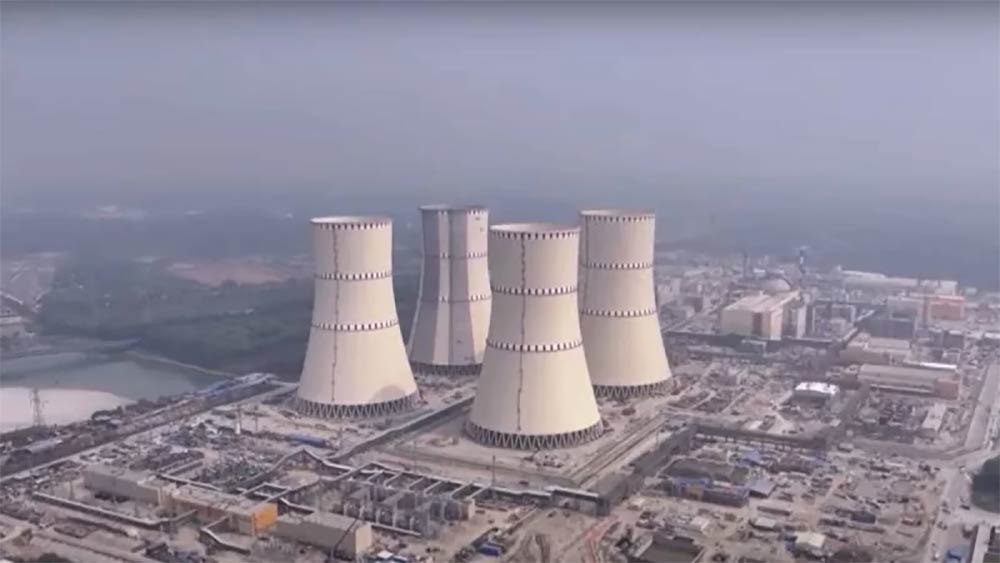 Bangladesh’s first nuclear power project, Rooppur Nuclear Power Plant (RNPP), started a controlled nuclear reaction around 3:30pm on Sunday, in its first unit, a long-awaited milestone known as “first criticality” that marks a major advance towards nuclear power generation.
The entire process may take about 30-40 days. At this stage, the turbine will be started alongside the increase in reactor power. The generator will then be connected to the national grid and electricity supplied on a trial basis. After a specified period of tests, the reactor’s power will be raised gradually and power generation will begin.
At the first-criticality stage, a controlled nuclear reaction is initiated at very low power in the reactor. The process is used to test whether the reactor’s various systems, safety equipment and control mechanisms are functioning properly.
On November 8, the Bangladesh Atomic Energy Regulatory Authority (BAERA) approved the start of the reaction. Two more approvals are required before power can be supplied to the national grid. Initially, the plant will be operated at only 3 per cent capacity. Generation will later be raised in phases to 20-30 per cent. If all tests are satisfactory, supply to the national grid can begin. At the end of December, about 300MW is expected to be supplied to the grid on a trial basis.
Even after grid supply begins, output will be increased gradually. After full-capacity generation starts, test production will continue for some days, to be followed by commercial production. This may take about seven to eight months.
Once the first unit is connected to the national grid, Bangladesh will become the 33rd country in the world to generate nuclear power. Besides adding a new source of electricity, it will open a new chapter in the country’s nuclear technology capability. The two units have a combined generation capacity of 2,400MW, of which about 2,300MW can be generated. Work on the second unit is also in full swing alongside the first. Once both units are connected to the grid, load-shedding will be reduced and huge foreign-exchange savings will be made on fuel imports. Nuclear power will also cost less than oil- and coal-based electricity.

Loading...
Loading...
Also read



Editor : Iqbal Sobhan Chowdhury
Published by the Editor on behalf of the Observer Ltd. from Globe Printers, 24/A, New Eskaton Road, Ramna, Dhaka.
Editorial, News and Commercial Offices : Aziz Bhaban (2nd floor), 93, Motijheel C/A, Dhaka-1000.
Phone: PABX- 41053001-06; Advertisement: 41053012; 01793317829, 01550707291, E-mail: [email protected], [email protected] Online: email: [email protected] 41053014; 01550707297 Advertisement: 01550707296
Published by the Editor on behalf of the Observer Ltd. from Globe Printers, 24/A, New Eskaton Road, Ramna, Dhaka.
Editorial, News and Commercial Offices : Aziz Bhaban (2nd floor), 93, Motijheel C/A, Dhaka-1000.
Phone: PABX- 41053001-06; Advertisement: 41053012; 01793317829, 01550707291, E-mail: [email protected], [email protected] Online: email: [email protected] 41053014; 01550707297 Advertisement: 01550707296


