



| HEADLINE |

|
The role of Army is indispensable to electoral stability
Published : Sunday, 1 February, 2026 at 10:20 PM
Rayhanul Islam


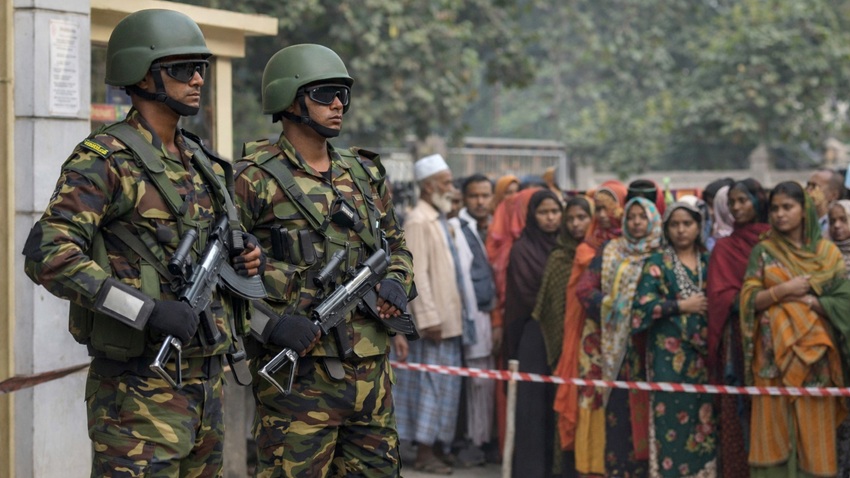
Photo: AI Generated
A free, fair, and credible election not only enhances the beauty of democracy but also determines a state’s political stability and future trajectory. Ensuring an environment in which citizens can go to polling centers without fear and freely express their will on voting day is one of the state’s foremost responsibilities. In a densely populated and politically sensitive country like Bangladesh, fulfilling this responsibility gives particular importance to the role of the army alongside other law enforcement agencies. The presence and professionalism of the army often function as a balancing force in ensuring electoral stability—helping to prevent violence, reduce fear, and strengthen public confidence.
In a democratic system, elections naturally involve competition, differences of opinion, and political tension. As a result, the risk of conflict among various actors increases during this period. Past experience shows that from election campaigning to polling day, the possibility of untoward incidents cannot be ruled out in certain areas. In this context, the deployment of the army often plays a visible deterrent role. Beyond a mere show of force, their discipline, adherence to rules, and professional conduct send a clear message that the state takes the election seriously and is prepared to deal firmly with any disorder.
Although the army is primarily formed to safeguard national sovereignty and security, the constitution and laws also assign it the responsibility of assisting civil authorities in special circumstances. During elections, this assistance is generally provided within a limited and clearly defined framework, where primary responsibility rests with the Election Commission and the civil administration. The army acts as a supporting force—conducting patrols in sensitive areas, responding swiftly to emergencies, and remaining prepared to prevent large-scale violence. This coordinated approach has repeatedly proven effective in maintaining a stable electoral environment.
Voters’ psychological security is also a crucial consideration. Many citizens hesitate to go to polling centers due to past experiences—fear, mistrust, or concerns about violence reduce their participation. In many cases, the presence of the army helps alleviate these fears. When people see the country’s most disciplined force prepared around the election, it instills confidence that they are not alone when they go to vote. Such confidence can increase voter turnout, which is essential for the credibility of any election.
However, one point must be clearly emphasized—the role of the army in the electoral process must be neutral, lawful, and transparent. Any allegation of bias toward a particular side can undermine the entire electoral system. Therefore, it is essential to have clear guidelines regarding the nature of deployment, the scope of responsibilities, and the decision-making framework. A coordinated effort under the leadership of the Election Commission, involving the civil administration, police, RAB, and the army, can create a balanced security arrangement.
This issue is also significant in the international context. In today’s world, an election is no longer purely a domestic matter; the international community, development partners, and foreign investors closely observe electoral processes. Free and peaceful elections strengthen a country’s image, enhance diplomatic confidence, and open avenues for economic engagement. If the army performs its duties with professionalism and neutrality, it sends a positive message internationally—that the state is committed to stability and to upholding democratic processes.
At the same time, the role of political parties is equally important. No matter how active the security forces are, if political leadership fails to show restraint and responsibility, the situation can become complicated. Violent rhetoric, provocative programs, or attempts to intimidate opponents undermine the credibility of elections. The task of the army and other forces should be to keep such situations under control, but lasting peace will only come when political actors follow the rules and respect voters’ independent choices.
Ultimately, electoral stability is the result of a collective effort. A credible election becomes possible only when the firmness of the Election Commission, the efficiency of the administration, the responsibility of political parties, the awareness of citizens, and the professional role of the army come together. In this process, the army is not a competing force but an important pillar within the state structure, working to ensure peace and security.
An election is not merely about choosing representatives; it is a moment that shapes the future path of the state. Everyone expects that this moment will be free from fear, violence, and doubt. And in fulfilling this expectation, within the boundaries of law and the constitution, there is little room to deny that the role of the army in ensuring electoral stability is indispensable.
In a democratic system, elections naturally involve competition, differences of opinion, and political tension. As a result, the risk of conflict among various actors increases during this period. Past experience shows that from election campaigning to polling day, the possibility of untoward incidents cannot be ruled out in certain areas. In this context, the deployment of the army often plays a visible deterrent role. Beyond a mere show of force, their discipline, adherence to rules, and professional conduct send a clear message that the state takes the election seriously and is prepared to deal firmly with any disorder.
Although the army is primarily formed to safeguard national sovereignty and security, the constitution and laws also assign it the responsibility of assisting civil authorities in special circumstances. During elections, this assistance is generally provided within a limited and clearly defined framework, where primary responsibility rests with the Election Commission and the civil administration. The army acts as a supporting force—conducting patrols in sensitive areas, responding swiftly to emergencies, and remaining prepared to prevent large-scale violence. This coordinated approach has repeatedly proven effective in maintaining a stable electoral environment.
Voters’ psychological security is also a crucial consideration. Many citizens hesitate to go to polling centers due to past experiences—fear, mistrust, or concerns about violence reduce their participation. In many cases, the presence of the army helps alleviate these fears. When people see the country’s most disciplined force prepared around the election, it instills confidence that they are not alone when they go to vote. Such confidence can increase voter turnout, which is essential for the credibility of any election.
However, one point must be clearly emphasized—the role of the army in the electoral process must be neutral, lawful, and transparent. Any allegation of bias toward a particular side can undermine the entire electoral system. Therefore, it is essential to have clear guidelines regarding the nature of deployment, the scope of responsibilities, and the decision-making framework. A coordinated effort under the leadership of the Election Commission, involving the civil administration, police, RAB, and the army, can create a balanced security arrangement.
This issue is also significant in the international context. In today’s world, an election is no longer purely a domestic matter; the international community, development partners, and foreign investors closely observe electoral processes. Free and peaceful elections strengthen a country’s image, enhance diplomatic confidence, and open avenues for economic engagement. If the army performs its duties with professionalism and neutrality, it sends a positive message internationally—that the state is committed to stability and to upholding democratic processes.
At the same time, the role of political parties is equally important. No matter how active the security forces are, if political leadership fails to show restraint and responsibility, the situation can become complicated. Violent rhetoric, provocative programs, or attempts to intimidate opponents undermine the credibility of elections. The task of the army and other forces should be to keep such situations under control, but lasting peace will only come when political actors follow the rules and respect voters’ independent choices.
Ultimately, electoral stability is the result of a collective effort. A credible election becomes possible only when the firmness of the Election Commission, the efficiency of the administration, the responsibility of political parties, the awareness of citizens, and the professional role of the army come together. In this process, the army is not a competing force but an important pillar within the state structure, working to ensure peace and security.
An election is not merely about choosing representatives; it is a moment that shapes the future path of the state. Everyone expects that this moment will be free from fear, violence, and doubt. And in fulfilling this expectation, within the boundaries of law and the constitution, there is little room to deny that the role of the army in ensuring electoral stability is indispensable.
-The author is a journalist and political analyst
Loading...
Loading...
Also read





Editor : Iqbal Sobhan Chowdhury
Published by the Editor on behalf of the Observer Ltd. from Globe Printers, 24/A, New Eskaton Road, Ramna, Dhaka.
Editorial, News and Commercial Offices : Aziz Bhaban (2nd floor), 93, Motijheel C/A, Dhaka-1000.
Phone: PABX- 41053001-06; Advertisement: 41053012; 01793317829, 01550707291, E-mail: [email protected], [email protected] Online: email: [email protected] 41053014; 01550707297 Advertisement: 01550707296
Published by the Editor on behalf of the Observer Ltd. from Globe Printers, 24/A, New Eskaton Road, Ramna, Dhaka.
Editorial, News and Commercial Offices : Aziz Bhaban (2nd floor), 93, Motijheel C/A, Dhaka-1000.
Phone: PABX- 41053001-06; Advertisement: 41053012; 01793317829, 01550707291, E-mail: [email protected], [email protected] Online: email: [email protected] 41053014; 01550707297 Advertisement: 01550707296


