



| HEADLINE |

|

World Cup 2026: How Gen Z is choosing teams and players



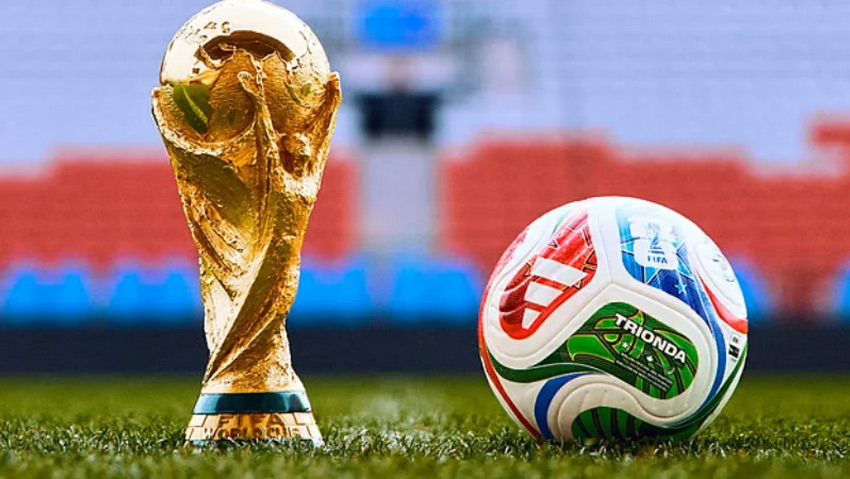
Symbolic Photo
A tech savvy digital generation, popularly known as Gen Z, is going to enjoy the upcoming World Cup 2026 which is no longer limited to TV or projector screens rather supporters are getting chances to interact with their virtual players on Netflix and choosing their favourites based on what they consume online.
The tournament will be the biggest in history, with 48 teams, 104 matches, and 16 host cities across the United States, Mexico, and Canada. FIFA is also pairing the event with a new Netflix game featuring all 48 teams and more than 1,200 players, showing how much the World Cup is shifting towards mobile and interactive fandom.
This means a lot for Gen Z. Their football identity is less likely to start with a fixed national loyalty and more likely to begin with what they see online: highlights, creator clips, memes, and player stories. This was limited to only face to face conversations, newspapers, TV news, and online posts in the good old days.
Recent Reuters coverage of the Olympic media shift said short-form videos and direct athlete-to-fan content are winning younger audiences, while another Reuters report showed how New Zealand defender Tim Payne went from a little-known squad player to millions of Instagram followers after going viral.
That is changing how young fans pick up their favourites, their teams, their idols. Many Gen Z viewers are now choosing a team because of family roots, diaspora identity, or a player who feels personal and shareable. They are following pacey wingers, stylish defenders, and charismatic captains the same way they follow creators: if the player is entertaining, relatable, or constantly appearing on their feed, that team becomes easier to love.
The 48-team format gives them even more entry points, more underdog stories, and more new names to attach themselves to.
Gen Z also wants participation, not passive watching. The new FIFA game, social media campaigns, and viral player-follower experiments all point to the same trend: fandom is becoming interactive.
The tournament will be the biggest in history, with 48 teams, 104 matches, and 16 host cities across the United States, Mexico, and Canada. FIFA is also pairing the event with a new Netflix game featuring all 48 teams and more than 1,200 players, showing how much the World Cup is shifting towards mobile and interactive fandom.
This means a lot for Gen Z. Their football identity is less likely to start with a fixed national loyalty and more likely to begin with what they see online: highlights, creator clips, memes, and player stories. This was limited to only face to face conversations, newspapers, TV news, and online posts in the good old days.
Recent Reuters coverage of the Olympic media shift said short-form videos and direct athlete-to-fan content are winning younger audiences, while another Reuters report showed how New Zealand defender Tim Payne went from a little-known squad player to millions of Instagram followers after going viral.
That is changing how young fans pick up their favourites, their teams, their idols. Many Gen Z viewers are now choosing a team because of family roots, diaspora identity, or a player who feels personal and shareable. They are following pacey wingers, stylish defenders, and charismatic captains the same way they follow creators: if the player is entertaining, relatable, or constantly appearing on their feed, that team becomes easier to love.
The 48-team format gives them even more entry points, more underdog stories, and more new names to attach themselves to.
Gen Z also wants participation, not passive watching. The new FIFA game, social media campaigns, and viral player-follower experiments all point to the same trend: fandom is becoming interactive.
Young supporters want to debate lineups, clip goals, share edits, and build communities around players as much as around nations. In that world, World Cup loyalty is no longer only about geography. It is about personality, aesthetics, online belonging, and the thrill of discovering the next breakout star before everyone else does.
References:

Loading...
Loading...
Also read









Editor : Iqbal Sobhan Chowdhury
Published by the Editor on behalf of the Observer Ltd. from Globe Printers, 24/A, New Eskaton Road, Ramna, Dhaka.
Editorial, News and Commercial Offices : Aziz Bhaban (2nd floor), 93, Motijheel C/A, Dhaka-1000.
Phone: PABX- 41053001-06; Advertisement: 41053012; 01793317829, 01550707291, E-mail: [email protected], [email protected] Online: email: [email protected] 41053014; 01550707297 Advertisement: 01550707296
Published by the Editor on behalf of the Observer Ltd. from Globe Printers, 24/A, New Eskaton Road, Ramna, Dhaka.
Editorial, News and Commercial Offices : Aziz Bhaban (2nd floor), 93, Motijheel C/A, Dhaka-1000.
Phone: PABX- 41053001-06; Advertisement: 41053012; 01793317829, 01550707291, E-mail: [email protected], [email protected] Online: email: [email protected] 41053014; 01550707297 Advertisement: 01550707296


