



| HEADLINE |

|

Oil tanker passes through Strait of Hormuz as Iran warns ships over new route
Published : Thursday, 25 June, 2026 at 7:22 PM
Observer Online Desk


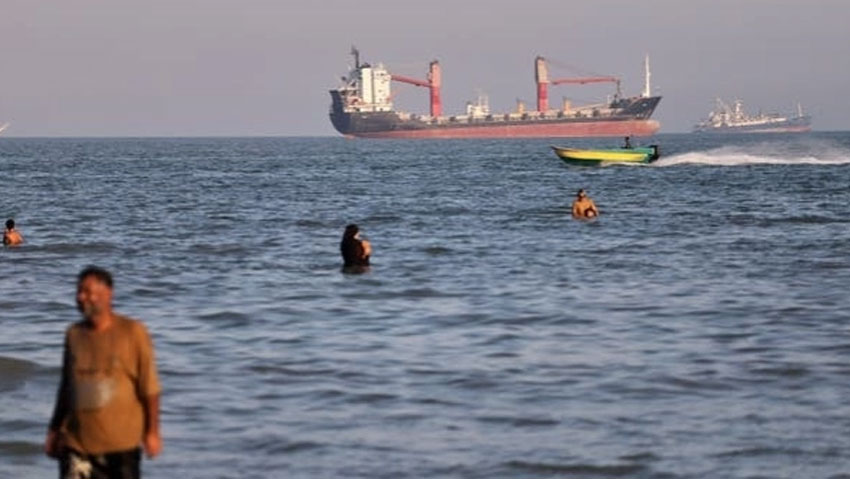
A Liberian-flagged oil tanker successfully sailed through the Strait of Hormuz on Thursday despite fresh warnings from Iran’s paramilitary Revolutionary Guard against vessels using a newly designated shipping route near Oman’s coastline.
The passage of the Stoic Warrior comes amid growing tensions between Iran and the United States over the implementation of a recently signed interim agreement aimed at bringing a permanent end to the Iran war, reports AP.
Under the memorandum of understanding reached last week, Washington and Tehran have agreed to a 60-day period to resolve key issues, including maritime security and the future of Iran’s stockpile of highly enriched uranium. While negotiations continue behind closed doors, officials from both sides have also been publicly debating aspects of the deal, raising concerns about the stability of the fragile ceasefire.
The situation has been further complicated by renewed violence in Lebanon. On Wednesday, an Israeli airstrike killed two people in southern Lebanon, according to the country’s state-run news agency. The strike marked Israel’s first attack on Lebanon since the latest ceasefire took effect on Saturday.
The Stoic Warrior departed early Thursday and followed a route close to the coasts of the United Arab Emirates and Oman before rounding Oman’s Musandam Peninsula. The route was developed by Oman in coordination with the International Maritime Organization (IMO), the UN agency responsible for maritime safety.
The new route lies south of the long-established Traffic Separation Scheme, the main shipping lane through the Strait of Hormuz that handles roughly one-fifth of global oil and natural gas shipments.
The alternative path has gained attention after reports that naval mines may have been placed in parts of the strait during the conflict that began on Feb. 28 with US and Israeli strikes on Iran. The Revolutionary Guard has previously claimed responsibility for mining the waterway, prompting safety concerns for commercial shipping.
Responding to the new route, the Guard’s naval arm issued a warning on Thursday through Iran’s state-run IRNA news agency.
“A few hours ago, without notice or coordination with the Islamic Republic of Iran, some authorities announced a new route for ship traffic in the Strait of Hormuz, which is unacceptable and completely dangerous,” the statement said.
“It is hereby notified to all that the only authorized route for passing through the Strait of Hormuz is the one declared by the Islamic Republic of Iran,” it added, warning that vessels operating outside those routes would be violating regulations.
The statement further cautioned that “violators will be dealt with,” though it did not specify what actions might be taken.
Despite the warning, there were no immediate reports of disruptions or incidents as the Stoic Warrior completed its transit. Ship-tracking data showed several vessels following the same route.
Meanwhile, senior Emirati diplomat Anwar Gargash criticized any attempt by Iran to restrict navigation or impose fees on ships using the strategic waterway.
Writing on X, Gargash said new geopolitical realities could not be forced upon Gulf Arab states and warned that such moves could fuel future tensions and instability in the region.
At the same time, Lebanon remains a key point of contention in wider regional negotiations.
Israel’s military said Thursday that one reservist soldier was killed and another wounded in southern Lebanon, where Israeli forces continue to hold positions. Since the latest conflict began, at least 37 Israeli soldiers and one civilian defense contractor have been killed, along with two civilians in northern Israel.
Lebanese authorities say more than 4,000 people have been killed in Israeli attacks since the latest Israel-Hezbollah conflict erupted in March, shortly after the Iran war began.
Iran has maintained that a lasting agreement with the United States will require an end to hostilities in Lebanon and a withdrawal of Israeli forces from occupied areas. Israel, however, argues that it must retain freedom of action against Hezbollah as international pressure over its military operations continues to grow.
The passage of the Stoic Warrior comes amid growing tensions between Iran and the United States over the implementation of a recently signed interim agreement aimed at bringing a permanent end to the Iran war, reports AP.
Under the memorandum of understanding reached last week, Washington and Tehran have agreed to a 60-day period to resolve key issues, including maritime security and the future of Iran’s stockpile of highly enriched uranium. While negotiations continue behind closed doors, officials from both sides have also been publicly debating aspects of the deal, raising concerns about the stability of the fragile ceasefire.
The situation has been further complicated by renewed violence in Lebanon. On Wednesday, an Israeli airstrike killed two people in southern Lebanon, according to the country’s state-run news agency. The strike marked Israel’s first attack on Lebanon since the latest ceasefire took effect on Saturday.
The Stoic Warrior departed early Thursday and followed a route close to the coasts of the United Arab Emirates and Oman before rounding Oman’s Musandam Peninsula. The route was developed by Oman in coordination with the International Maritime Organization (IMO), the UN agency responsible for maritime safety.
The new route lies south of the long-established Traffic Separation Scheme, the main shipping lane through the Strait of Hormuz that handles roughly one-fifth of global oil and natural gas shipments.
The alternative path has gained attention after reports that naval mines may have been placed in parts of the strait during the conflict that began on Feb. 28 with US and Israeli strikes on Iran. The Revolutionary Guard has previously claimed responsibility for mining the waterway, prompting safety concerns for commercial shipping.
Responding to the new route, the Guard’s naval arm issued a warning on Thursday through Iran’s state-run IRNA news agency.
“A few hours ago, without notice or coordination with the Islamic Republic of Iran, some authorities announced a new route for ship traffic in the Strait of Hormuz, which is unacceptable and completely dangerous,” the statement said.
“It is hereby notified to all that the only authorized route for passing through the Strait of Hormuz is the one declared by the Islamic Republic of Iran,” it added, warning that vessels operating outside those routes would be violating regulations.
The statement further cautioned that “violators will be dealt with,” though it did not specify what actions might be taken.
Despite the warning, there were no immediate reports of disruptions or incidents as the Stoic Warrior completed its transit. Ship-tracking data showed several vessels following the same route.
Meanwhile, senior Emirati diplomat Anwar Gargash criticized any attempt by Iran to restrict navigation or impose fees on ships using the strategic waterway.
Writing on X, Gargash said new geopolitical realities could not be forced upon Gulf Arab states and warned that such moves could fuel future tensions and instability in the region.
At the same time, Lebanon remains a key point of contention in wider regional negotiations.
Israel’s military said Thursday that one reservist soldier was killed and another wounded in southern Lebanon, where Israeli forces continue to hold positions. Since the latest conflict began, at least 37 Israeli soldiers and one civilian defense contractor have been killed, along with two civilians in northern Israel.
Lebanese authorities say more than 4,000 people have been killed in Israeli attacks since the latest Israel-Hezbollah conflict erupted in March, shortly after the Iran war began.
Iran has maintained that a lasting agreement with the United States will require an end to hostilities in Lebanon and a withdrawal of Israeli forces from occupied areas. Israel, however, argues that it must retain freedom of action against Hezbollah as international pressure over its military operations continues to grow.
Loading...
Loading...
Also read







Editor : Iqbal Sobhan Chowdhury
Published by the Editor on behalf of the Observer Ltd. from Globe Printers, 24/A, New Eskaton Road, Ramna, Dhaka.
Editorial, News and Commercial Offices : Aziz Bhaban (2nd floor), 93, Motijheel C/A, Dhaka-1000.
Phone: PABX- 41053001-06; Advertisement: 41053012; 01793317829, 01550707291, E-mail: [email protected], [email protected] Online: email: [email protected] 41053014; 01550707297 Advertisement: 01550707296
Published by the Editor on behalf of the Observer Ltd. from Globe Printers, 24/A, New Eskaton Road, Ramna, Dhaka.
Editorial, News and Commercial Offices : Aziz Bhaban (2nd floor), 93, Motijheel C/A, Dhaka-1000.
Phone: PABX- 41053001-06; Advertisement: 41053012; 01793317829, 01550707291, E-mail: [email protected], [email protected] Online: email: [email protected] 41053014; 01550707297 Advertisement: 01550707296


