



| HEADLINE |

|

Rain-loving, celebrated novelist and filmmaker Humayun Ahmed
Jodi Mon Kande Tumi Chole Esho...
Published : Sunday, 19 July, 2026 at 12:59 PM
Observer Online Desk


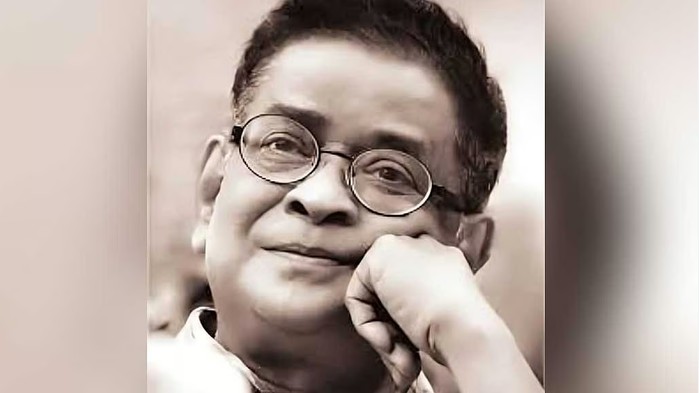
The country is commemorating the 14th death anniversary of celebrated novelist, playwright, filmmaker and lyricist Humayun Ahmed, whose timeless stories and unforgettable characters continue to inspire generations of readers and audiences.
Known for his deep affection for rain, Humayun Ahmed often celebrated the monsoon in his writings and songs. In one of his best-known lyrics, he wrote, ''If your heart longs, come back in the rain.'' Every monsoon, those words resonate deeply with admirers who remember the legendary storyteller whose works remain an integral part of Bangladesh's cultural heritage.
Humayun Ahmed passed away on July 19, 2012, in the United States after battling cancer. He was laid to rest at his beloved Nuhash Palli, the retreat he created in Gazipur and often described as his sanctuary.
Special Television Tributes
To mark the occasion, several television channels aired special tribute programs on Sunday.
A special edition of the talk show Tritiyo Matra was broadcast at 1AM and again at 9:45AM, hosted by Faridur Reza Sagar. The episode featured poet Hasan Hafiz, publisher Mazharul Islam, and actor Dr. Ejazur Rahman, who shared personal memories and reflected on Humayun Ahmed's extraordinary literary and creative legacy.
Earlier in the morning, viewers were treated to a special episode of Gan Diye Shuru, while Impress Telefilm scheduled a broadcast of Humayun Ahmed's directorial debut feature film Nondito Noroke at 3:05PM.
A Literary Icon
Born on November 13, 1948, in Netrokona, Humayun Ahmed studied at the University of Dhaka and later at North Dakota State University in the United States. Before becoming Bangladesh's most widely read contemporary author, he taught chemistry at the University of Dhaka.
His literary journey began with the publication of Nondito Noroke in 1972, a novel that immediately established him as one of the country's most promising writers. He further cemented his reputation with Shonkhonil Karagar, before going on to become one of the most influential voices in Bengali literature.
Among his most acclaimed novels are Madhyahna, Jochona O Jononir Golpo, Deyal, Matal Hawa, Srabon Megher Din, Kobi, Lilaboti, Gouripur Junction, and Ei Shob Din Ratri.
His iconic fictional characters, including Himu, Misir Ali, Rupa, and Shuvro, have captivated readers across multiple generations and remain among the most beloved creations in Bengali fiction.
A Pioneer in Television and Cinema
Beyond literature, Humayun Ahmed transformed Bangladesh's television and film industries through his distinctive storytelling style.
His acclaimed films include Aguner Poroshmoni, Shyamol Chhaya, Dui Duari, Srabon Megher Din, Noy Number Bipod Shanket, Amar Ache Jol, and Ghetuputra Komola.
He also created some of Bangladesh's most iconic television dramas, including Ei Shob Din Ratri, Bohubrihi, Ayomoy, Kothao Keu Nei, and Aj Robibar. As a director, he earned widespread acclaim for productions such as Nokkhotrer Raat, Ure Jay Bokpokkhi, Sedin Chaitra Mash, Nitu Tomake Bhalobashi, Somudra Bilash Private Limited, Hablonger Bazar-e, Tara Tin Jon, and Montri Mohodoyer Agomon Shubhechha Shagotom.
An Enduring Legacy
Humayun Ahmed received numerous prestigious honors throughout his career, including the Bangla Academy Literary Award, the Lekhak Shibir Award, and the Michael Madhusudan Medal. In 1994, he was awarded the Ekushey Padak, Bangladesh's second-highest civilian honor, in recognition of his outstanding contribution to literature.
His achievements in cinema were equally remarkable, earning him eight National Film Awards across various categories.
More than a decade after his passing, Humayun Ahmed's novels, television dramas, films, songs and unforgettable characters continue to shape Bangladesh's literary and cultural landscape, ensuring that his legacy lives on in the hearts of millions.
Known for his deep affection for rain, Humayun Ahmed often celebrated the monsoon in his writings and songs. In one of his best-known lyrics, he wrote, ''If your heart longs, come back in the rain.'' Every monsoon, those words resonate deeply with admirers who remember the legendary storyteller whose works remain an integral part of Bangladesh's cultural heritage.
Humayun Ahmed passed away on July 19, 2012, in the United States after battling cancer. He was laid to rest at his beloved Nuhash Palli, the retreat he created in Gazipur and often described as his sanctuary.
Special Television Tributes
To mark the occasion, several television channels aired special tribute programs on Sunday.
A special edition of the talk show Tritiyo Matra was broadcast at 1AM and again at 9:45AM, hosted by Faridur Reza Sagar. The episode featured poet Hasan Hafiz, publisher Mazharul Islam, and actor Dr. Ejazur Rahman, who shared personal memories and reflected on Humayun Ahmed's extraordinary literary and creative legacy.
Earlier in the morning, viewers were treated to a special episode of Gan Diye Shuru, while Impress Telefilm scheduled a broadcast of Humayun Ahmed's directorial debut feature film Nondito Noroke at 3:05PM.
A Literary Icon
Born on November 13, 1948, in Netrokona, Humayun Ahmed studied at the University of Dhaka and later at North Dakota State University in the United States. Before becoming Bangladesh's most widely read contemporary author, he taught chemistry at the University of Dhaka.
His literary journey began with the publication of Nondito Noroke in 1972, a novel that immediately established him as one of the country's most promising writers. He further cemented his reputation with Shonkhonil Karagar, before going on to become one of the most influential voices in Bengali literature.
Among his most acclaimed novels are Madhyahna, Jochona O Jononir Golpo, Deyal, Matal Hawa, Srabon Megher Din, Kobi, Lilaboti, Gouripur Junction, and Ei Shob Din Ratri.
His iconic fictional characters, including Himu, Misir Ali, Rupa, and Shuvro, have captivated readers across multiple generations and remain among the most beloved creations in Bengali fiction.
A Pioneer in Television and Cinema
Beyond literature, Humayun Ahmed transformed Bangladesh's television and film industries through his distinctive storytelling style.
His acclaimed films include Aguner Poroshmoni, Shyamol Chhaya, Dui Duari, Srabon Megher Din, Noy Number Bipod Shanket, Amar Ache Jol, and Ghetuputra Komola.
He also created some of Bangladesh's most iconic television dramas, including Ei Shob Din Ratri, Bohubrihi, Ayomoy, Kothao Keu Nei, and Aj Robibar. As a director, he earned widespread acclaim for productions such as Nokkhotrer Raat, Ure Jay Bokpokkhi, Sedin Chaitra Mash, Nitu Tomake Bhalobashi, Somudra Bilash Private Limited, Hablonger Bazar-e, Tara Tin Jon, and Montri Mohodoyer Agomon Shubhechha Shagotom.
An Enduring Legacy
Humayun Ahmed received numerous prestigious honors throughout his career, including the Bangla Academy Literary Award, the Lekhak Shibir Award, and the Michael Madhusudan Medal. In 1994, he was awarded the Ekushey Padak, Bangladesh's second-highest civilian honor, in recognition of his outstanding contribution to literature.
His achievements in cinema were equally remarkable, earning him eight National Film Awards across various categories.
More than a decade after his passing, Humayun Ahmed's novels, television dramas, films, songs and unforgettable characters continue to shape Bangladesh's literary and cultural landscape, ensuring that his legacy lives on in the hearts of millions.

Loading...
Loading...
Also read









Editor : Iqbal Sobhan Chowdhury
Published by the Editor on behalf of the Observer Ltd. from Globe Printers, 24/A, New Eskaton Road, Ramna, Dhaka.
Editorial, News and Commercial Offices : Aziz Bhaban (2nd floor), 93, Motijheel C/A, Dhaka-1000.
Phone: PABX- 41053001-06; Advertisement: 41053012; 01793317829, 01550707291, E-mail: [email protected], [email protected] Online: email: [email protected] 41053014; 01550707297 Advertisement: 01550707296
Published by the Editor on behalf of the Observer Ltd. from Globe Printers, 24/A, New Eskaton Road, Ramna, Dhaka.
Editorial, News and Commercial Offices : Aziz Bhaban (2nd floor), 93, Motijheel C/A, Dhaka-1000.
Phone: PABX- 41053001-06; Advertisement: 41053012; 01793317829, 01550707291, E-mail: [email protected], [email protected] Online: email: [email protected] 41053014; 01550707297 Advertisement: 01550707296


