



| HEADLINE |

|
Myanmar gas pipeline: A second chance or a risky bet?
Published : Sunday, 9 August, 2026 at 12:00 AM


Bangladesh’s renewed move to import natural gas from Myanmar through a cross-border pipeline has sparked both optimism and caution, with the government seeing an opportunity for regional energy cooperation while experts point to serious political, security and economic challenges.
Shahnaj Begum, In charge of the Power and Energy page, speaks to Power, Energy and Mineral Resources Minister Iqbal Hasan Mahmood, former Energy Adviser, Vice Chancellor Independent University Dr M Tamim and energy expert and former dean of engineering at BUET Dr Ijaz Hossain about the proposed pipeline, Bangladesh’s energy crisis and the prospects for regional energy cooperation. For our readers, The Daily Observer shares excerpts from the conversations.
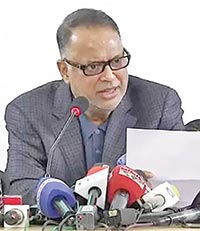 Iqbal Hasan Mahmood, Minister for Power, Energy and Mineral Resources
In a significant diplomatic development, Bangladesh has formally proposed importing natural gas from neighbouring Myanmar through a cross-border pipeline, signalling a renewed commitment to regional energy cooperation amid the country’s growing energy demands.
The proposal was put forward during a meeting with Myanmar’s Ambassador to Bangladesh Kyaw Soe Moe at the Secretariat on August 2, 2026. “Bangladesh has significant domestic demand for natural gas, and the government is particularly interested in sourcing energy from Myanmar via pipeline,” the minister said.
The Myanmar ambassador responded positively to the proposal and suggested an alternative approach-supplying gas in the form of LNG-which the minister received favourably.
The meeting also revisited earlier plans for a pipeline connecting Myanmar to Chattogram. To accelerate the process, Mahmood proposed a ministerial-level meeting, invited Myanmar’s Energy Minister to visit Bangladesh and expressed his willingness to travel to Myanmar if necessary.
The ambassador suggested reviewing the matter through a Bangladesh-Myanmar Joint Technical Committee meeting to examine the technical and commercial aspects of potential energy projects.
Mahmood also placed the pipeline proposal within a broader regional context, referring to the proposed China-Myanmar-Bangladesh corridor discussed during Prime Minister Tarique Rahman’s recent visit to China. He said there were numerous potential areas of cooperation between the two countries beyond energy, including broader economic and commercial partnerships.
Myanmar possesses substantial natural gas reserves, particularly in Rakhine State and offshore blocks. A pipeline connection, Mahmood said, could provide Bangladesh with a stable and potentially cost-effective energy supply while offering Myanmar a reliable export market.
He acknowledged that security concerns in Rakhine State, financing, technical feasibility and the broader geopolitical situation would require careful consideration.
The minister said the willingness of both sides to engage through technical committees and ministerial-level meetings demonstrated a commitment to exploring viable solutions.
 Dr M Tamim, Former Energy Adviser to the caretaker government
“I welcomed the initiative. Historically, Bangladesh had suspended such imports due to various geopolitical concerns. However, the current assessment suggests that Myanmar possesses substantial gas reserves that could potentially benefit Bangladesh’s energy portfolio.
“Myanmar’s gas is currently exported through other channels. However, significant challenges remain, particularly regarding political instability in Myanmar’s Rakhine State, where the country’s largest gas reservoirs are located.
“Regional energy cooperation presents a viable solution to Bangladesh’s energy constraints. By working collaboratively with India, Bhutan, Nepal and potentially Myanmar, Bangladesh could leverage its existing energy infrastructure more effectively. We have been running after shortages, as I have been saying for the last one decade.
“Now we have to explore every opportunity to increase cross-border energy trade. We are importing electricity from India and Nepal and diesel from India. This model could potentially be expanded to include natural gas distribution through regional pipeline networks, excluding politics from economy and trade. “The existing gas fields require substantial development time, with new projects taking approximately two years to become operational. This timeline creates immediate pressure on the nation’s energy infrastructure.
“We are meeting our energy demand from three sources: our own gas, LNG and LPG. LPG presents a quicker alternative to traditional natural gas infrastructure. “Bangladesh has explored RLNG projects with India, though these face their own political and economic considerations. While nuclear power remains a long-term possibility, it would require significant time and investment to develop.
“Perhaps the most critical insight is that Bangladesh has been engaged in ‘fire-fighting’ approaches to energy management for 50 years. We urgently need a comprehensive, forward-thinking energy policy rather than reactive crisis management.
“Without strategic planning, Bangladesh risks continued energy insecurity, which could hamper industrial development and economic growth. We need thoughtful, long-term solutions to secure the nation’s energy future for generations to come.”
 Dr Ijaz Hossain, energy expert and former dean of engineering at BUET Dr Ijaz Hossain said the economic benefits of importing gas from Myanmar appeared promising, but significant geopolitical and security obstacles could make the project difficult to implement.
He said the proposed pipeline route would pass through areas controlled by the Arakan Army, a powerful non-state actor operating in Myanmar’s Rakhine State, creating substantial security risks.
“Protecting a lengthy cross-border pipeline through unstable territory presents what experts describe as ‘practically impossible’ challenges. The Myanmar government, which would be Bangladesh’s official counterpart for such an agreement, lacks effective control over the areas where the gas reserves are located. “The people who have occupied this area have no relationship with the government. Before taking any big step, Bangladesh should examine all pros and cons of it.”
Despite the security concerns, he said the economic case remained compelling. Myanmar has significant gas reserves and existing infrastructure, while around 40 per cent of gas from these pipelines is currently used domestically, leaving surplus capacity that could potentially be exported.
Additional gas supplies could benefit Bangladesh’s energy-hungry economy, while Myanmar could generate revenue through export diversification and regional energy cooperation.
However, he cautioned that economic viability must be weighed against practical constraints. LNG, he said, could be a more feasible option because it can be transported by sea, avoiding the security challenges associated with a land-based pipeline.
“I won’t say no to it. But I can see that their feasibility is low,” he said when asked whether the pipeline proposal was realistic.
“I don’t think it’s realistic.”
He said Bangladesh’s energy future requires pragmatic decision-making that balances economic opportunities with geopolitical realities. While the Myanmar pipeline represents an attractive theoretical option, the security challenges, particularly the presence of non-state actors in critical areas, make it impractical in the current environment. LNG imports, he said, could offer a more viable pathway, potentially allowing Bangladesh to access Myanmar’s gas resources without the security vulnerabilities associated with cross-border pipelines.
Shahnaj Begum, In charge of the Power and Energy page, speaks to Power, Energy and Mineral Resources Minister Iqbal Hasan Mahmood, former Energy Adviser, Vice Chancellor Independent University Dr M Tamim and energy expert and former dean of engineering at BUET Dr Ijaz Hossain about the proposed pipeline, Bangladesh’s energy crisis and the prospects for regional energy cooperation. For our readers, The Daily Observer shares excerpts from the conversations.
Iqbal Hasan Mahmood, Minister for Power, Energy and Mineral ResourcesIn a significant diplomatic development, Bangladesh has formally proposed importing natural gas from neighbouring Myanmar through a cross-border pipeline, signalling a renewed commitment to regional energy cooperation amid the country’s growing energy demands.
The proposal was put forward during a meeting with Myanmar’s Ambassador to Bangladesh Kyaw Soe Moe at the Secretariat on August 2, 2026. “Bangladesh has significant domestic demand for natural gas, and the government is particularly interested in sourcing energy from Myanmar via pipeline,” the minister said.
The Myanmar ambassador responded positively to the proposal and suggested an alternative approach-supplying gas in the form of LNG-which the minister received favourably.
The meeting also revisited earlier plans for a pipeline connecting Myanmar to Chattogram. To accelerate the process, Mahmood proposed a ministerial-level meeting, invited Myanmar’s Energy Minister to visit Bangladesh and expressed his willingness to travel to Myanmar if necessary.
The ambassador suggested reviewing the matter through a Bangladesh-Myanmar Joint Technical Committee meeting to examine the technical and commercial aspects of potential energy projects.
Mahmood also placed the pipeline proposal within a broader regional context, referring to the proposed China-Myanmar-Bangladesh corridor discussed during Prime Minister Tarique Rahman’s recent visit to China. He said there were numerous potential areas of cooperation between the two countries beyond energy, including broader economic and commercial partnerships.
Myanmar possesses substantial natural gas reserves, particularly in Rakhine State and offshore blocks. A pipeline connection, Mahmood said, could provide Bangladesh with a stable and potentially cost-effective energy supply while offering Myanmar a reliable export market.
He acknowledged that security concerns in Rakhine State, financing, technical feasibility and the broader geopolitical situation would require careful consideration.
The minister said the willingness of both sides to engage through technical committees and ministerial-level meetings demonstrated a commitment to exploring viable solutions.
Dr M Tamim, Former Energy Adviser to the caretaker government“I welcomed the initiative. Historically, Bangladesh had suspended such imports due to various geopolitical concerns. However, the current assessment suggests that Myanmar possesses substantial gas reserves that could potentially benefit Bangladesh’s energy portfolio.
“Myanmar’s gas is currently exported through other channels. However, significant challenges remain, particularly regarding political instability in Myanmar’s Rakhine State, where the country’s largest gas reservoirs are located.
“Regional energy cooperation presents a viable solution to Bangladesh’s energy constraints. By working collaboratively with India, Bhutan, Nepal and potentially Myanmar, Bangladesh could leverage its existing energy infrastructure more effectively. We have been running after shortages, as I have been saying for the last one decade.
“Now we have to explore every opportunity to increase cross-border energy trade. We are importing electricity from India and Nepal and diesel from India. This model could potentially be expanded to include natural gas distribution through regional pipeline networks, excluding politics from economy and trade. “The existing gas fields require substantial development time, with new projects taking approximately two years to become operational. This timeline creates immediate pressure on the nation’s energy infrastructure.
“We are meeting our energy demand from three sources: our own gas, LNG and LPG. LPG presents a quicker alternative to traditional natural gas infrastructure. “Bangladesh has explored RLNG projects with India, though these face their own political and economic considerations. While nuclear power remains a long-term possibility, it would require significant time and investment to develop.
“Perhaps the most critical insight is that Bangladesh has been engaged in ‘fire-fighting’ approaches to energy management for 50 years. We urgently need a comprehensive, forward-thinking energy policy rather than reactive crisis management.
“Without strategic planning, Bangladesh risks continued energy insecurity, which could hamper industrial development and economic growth. We need thoughtful, long-term solutions to secure the nation’s energy future for generations to come.”
Dr Ijaz Hossain, energy expert and former dean of engineering at BUET Dr Ijaz Hossain said the economic benefits of importing gas from Myanmar appeared promising, but significant geopolitical and security obstacles could make the project difficult to implement.He said the proposed pipeline route would pass through areas controlled by the Arakan Army, a powerful non-state actor operating in Myanmar’s Rakhine State, creating substantial security risks.
“Protecting a lengthy cross-border pipeline through unstable territory presents what experts describe as ‘practically impossible’ challenges. The Myanmar government, which would be Bangladesh’s official counterpart for such an agreement, lacks effective control over the areas where the gas reserves are located. “The people who have occupied this area have no relationship with the government. Before taking any big step, Bangladesh should examine all pros and cons of it.”
Despite the security concerns, he said the economic case remained compelling. Myanmar has significant gas reserves and existing infrastructure, while around 40 per cent of gas from these pipelines is currently used domestically, leaving surplus capacity that could potentially be exported.
Additional gas supplies could benefit Bangladesh’s energy-hungry economy, while Myanmar could generate revenue through export diversification and regional energy cooperation.
However, he cautioned that economic viability must be weighed against practical constraints. LNG, he said, could be a more feasible option because it can be transported by sea, avoiding the security challenges associated with a land-based pipeline.
“I won’t say no to it. But I can see that their feasibility is low,” he said when asked whether the pipeline proposal was realistic.
“I don’t think it’s realistic.”
He said Bangladesh’s energy future requires pragmatic decision-making that balances economic opportunities with geopolitical realities. While the Myanmar pipeline represents an attractive theoretical option, the security challenges, particularly the presence of non-state actors in critical areas, make it impractical in the current environment. LNG imports, he said, could offer a more viable pathway, potentially allowing Bangladesh to access Myanmar’s gas resources without the security vulnerabilities associated with cross-border pipelines.
Loading...
Loading...
Also read



Editor : Iqbal Sobhan Chowdhury
Published by the Editor on behalf of the Observer Ltd. from Globe Printers, 24/A, New Eskaton Road, Ramna, Dhaka.
Editorial, News and Commercial Offices : Aziz Bhaban (2nd floor), 93, Motijheel C/A, Dhaka-1000.
Phone: PABX- 41053001-06; Advertisement: 41053012; 01793317829, 01550707291, E-mail: [email protected], [email protected] Online: email: [email protected] 41053014; 01550707297 Advertisement: 01550707296
Published by the Editor on behalf of the Observer Ltd. from Globe Printers, 24/A, New Eskaton Road, Ramna, Dhaka.
Editorial, News and Commercial Offices : Aziz Bhaban (2nd floor), 93, Motijheel C/A, Dhaka-1000.
Phone: PABX- 41053001-06; Advertisement: 41053012; 01793317829, 01550707291, E-mail: [email protected], [email protected] Online: email: [email protected] 41053014; 01550707297 Advertisement: 01550707296


