



| HEADLINE |

|
Social Medias Quicksand
Published : Monday, 17 August, 2026 at 12:00 AM
Prof Dr Asif Mizan


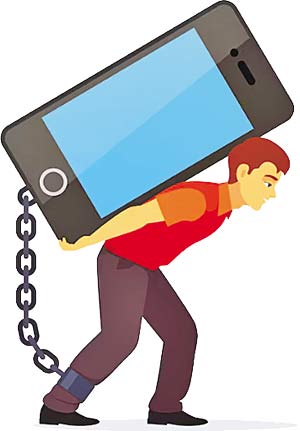 The information technology highway that opened new horizons for human civilisation in the latter part of the 20th century appears to have turned into a psychological and sociological quicksand in the second decade of the 21st century. In Bangladesh, one of the biggest concerns among parents, civil society members, teachers and intellectuals is the growing entrapment of the future generation-particularly teenagers and young people-in the virtual labyrinth of social media.
 At an age when young people are expected to develop their intellect, creativity and critical thinking, many are increasingly absorbed in the blue light of screens. The far-reaching psychological consequences of excessive and irresponsible social media use, combined with the spread of antisocial and criminal tendencies, are creating new challenges for the foundations of our social structure.
Juvenile Gangs and Subcultural Theory: Criminological Subcultural Theory helps explain how young people can develop alternative cultures and value systems outside the mainstream social order. In Bangladesh, juvenile gang culture and the competition for popularity on social media can be examined from this perspective. Online groups, virtual rivalries and the pursuit of status may reinforce a sense of belonging based on aggression, bravado and confrontation. What begins as online rivalry or a desire to demonstrate power can spill over into real life, contributing to violence, drug-related activities, extortion and other serious crimes. The virtual and physical worlds can no longer be treated as completely separate.
The Way Forward: Addressing this crisis requires much more than restrictions or technological controls. The state, families, educational institutions and society must work together. Strengthening Family Bonds: Sociologist Charles Cooley’s concept of the primary group highlights the importance of close family relationships in shaping personality and character. Parents cannot consider their responsibility fulfilled simply by providing smartphones or internet access. They must spend quality time with their children, listen to their concerns, observe changes in behaviour and emotional state, and help them develop meaningful lives beyond the digital world. A child who receives emotional security, affection and recognition within the family is less likely to depend entirely on virtual validation.
Digital Literacy and Values Education: Educational institutions should introduce comprehensive digital literacy programmes to teach students how to use technology safely, responsibly and constructively. They need to understand the risks of misinformation, cyberbullying, online exploitation, privacy violations, addiction and harmful digital content. At the same time, greater emphasis should be placed on ethics, empathy, human values, social responsibility and critical thinking. Digital literacy should mean not merely knowing how to operate a device, but knowing how to think and behave responsibly in the digital environment.
Reviving Sports and Culture: One effective way to reduce excessive screen dependence is to reconnect young people with the physical and social world. Adequate playgrounds should be ensured across neighbourhoods, alongside greater opportunities for literature, debate, theatre, music and other cultural activities. Such engagement can develop creativity, discipline, teamwork and critical thinking while providing alternatives to excessive virtual entertainment. The goal should not be to keep young people away from technology, but to prevent technology from becoming the centre of their existence.
Cybercrime Prevention and Rehabilitation: Law enforcement agencies must become more technologically capable and sensitive in combating cybercrime and online exploitation. However, punishment alone cannot be the answer when juveniles become involved in criminal activities. Restorative Justice and rehabilitation-based approaches should receive greater attention. Young offenders should have access to psychological counselling, education, vocational training and appropriate rehabilitation programmes. Juvenile correction facilities should also be modernised to give them a genuine opportunity to return to healthy and productive lives.
We are standing at a critical crossroads. Technology itself is not the enemy. When used responsibly, social media can provide enormous opportunities for education, communication, creativity, entrepreneurship and social engagement. The real challenge is to ensure that young people remain users of technology rather than becoming its victims. Parents, teachers, civil society and policymakers must work together to create a balanced digital environment for the younger generation.
The writer is Vice Chancellor, Darul Salam University, Somalia and Political, Human Rights and Crime Analyst
Loading...
Loading...
Also read



Editor : Iqbal Sobhan Chowdhury
Published by the Editor on behalf of the Observer Ltd. from Globe Printers, 24/A, New Eskaton Road, Ramna, Dhaka.
Editorial, News and Commercial Offices : Aziz Bhaban (2nd floor), 93, Motijheel C/A, Dhaka-1000.
Phone: PABX- 41053001-06; Advertisement: 41053012; 01793317829, 01550707291, E-mail: [email protected], [email protected] Online: email: [email protected] 41053014; 01550707297 Advertisement: 01550707296
Published by the Editor on behalf of the Observer Ltd. from Globe Printers, 24/A, New Eskaton Road, Ramna, Dhaka.
Editorial, News and Commercial Offices : Aziz Bhaban (2nd floor), 93, Motijheel C/A, Dhaka-1000.
Phone: PABX- 41053001-06; Advertisement: 41053012; 01793317829, 01550707291, E-mail: [email protected], [email protected] Online: email: [email protected] 41053014; 01550707297 Advertisement: 01550707296


