



| HEADLINE |

|

Power cuts in the capital to increase power Supply to Rural areas
Published : Friday, 28 August, 2026 at 5:54 PM
Observer Online Report


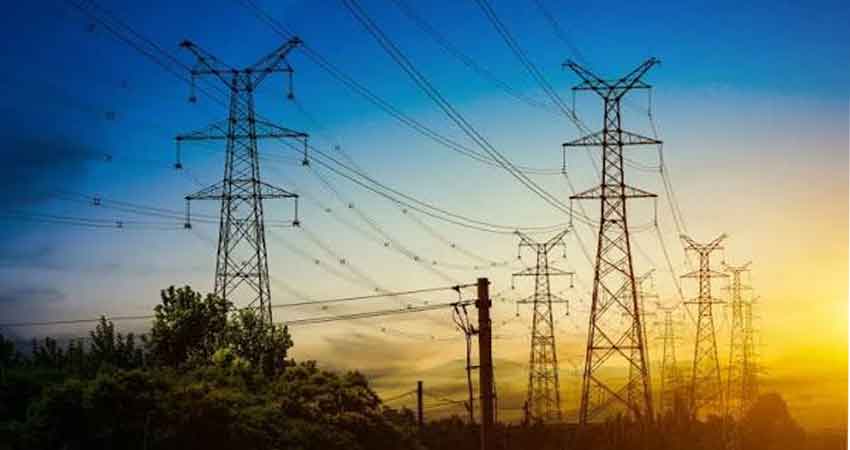
The government has decided to reduce electricity supply in Dhaka in order to increase supply to rural areas and prevent public suffering and dissatisfaction there.
Consequently, power outage has returned to the capital over the past several days. Currently, load shedding in the Dhaka zone is reaching as high as 600 megawatts. Depending on the area, electricity is unavailable for between two and five hours a day, both during the daytime and at night.
On August 10, the country experienced a record 3,757 megawatts of load shedding-the highest in its history. In addition, amid the hot weather, regular load shedding of between 2,000 and 3,500 megawatts has been occurring. Most of this burden has fallen on rural consumers. People in these remote areas have had to remain without electricity for as long as 10, 12, and even 14 hours. Consumer organizations have also criticized the government’s policy.
Frustration among rural consumers grew due to the excessive load shedding. In some cases, people confronted and attacked rural electricity workers. As many as 80 rural electricity cooperatives jointly sought security from the police. It was after this that the government took action and decided to distribute load shedding among Dhaka and other major cities as well.
For the past 15 days, Dhaka has experienced between two and five hours of load shedding per day, depending on the area. Currently, nationwide electricity demand ranges from 14,500 to 17,500 megawatts. Load shedding is still taking place at levels of between 2,000 and 3,500 megawatts.
On Wednesday, against a peak demand of around 6,500 megawatts in the Dhaka zone, load shedding reached 500 to 600 megawatts.
The Bangladesh Rural Electrification Board said load shedding is now being distributed among all electricity distribution agencies. As a result, power-related suffering in rural areas has decreased.
-MT

Loading...
Loading...
Also read









Editor : Iqbal Sobhan Chowdhury
Published by the Editor on behalf of the Observer Ltd. from Globe Printers, 24/A, New Eskaton Road, Ramna, Dhaka.
Editorial, News and Commercial Offices : Aziz Bhaban (2nd floor), 93, Motijheel C/A, Dhaka-1000.
Phone: PABX- 41053001-06; Advertisement: 41053012; 01793317829, 01550707291, E-mail: [email protected], [email protected] Online: email: [email protected] 41053014; 01550707297 Advertisement: 01550707296
Published by the Editor on behalf of the Observer Ltd. from Globe Printers, 24/A, New Eskaton Road, Ramna, Dhaka.
Editorial, News and Commercial Offices : Aziz Bhaban (2nd floor), 93, Motijheel C/A, Dhaka-1000.
Phone: PABX- 41053001-06; Advertisement: 41053012; 01793317829, 01550707291, E-mail: [email protected], [email protected] Online: email: [email protected] 41053014; 01550707297 Advertisement: 01550707296


