



| HEADLINE |

|

BNP's 48 years: From political survival to toughest test
Published : Tuesday, 1 September, 2026 at 1:00 PM
Special Correspondent


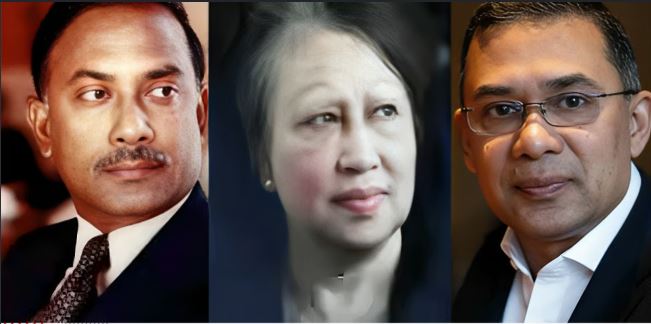
The Bangladesh Nationalist Party (BNP) has completed 48 years of its political journey, a road marked by power struggles, mass movements, internal divisions, repression and repeated crises.
At several points, the party faced such deep uncertainty that questions were raised over whether it would survive as a political force. Yet, after overcoming those setbacks, the BNP is now back in state power for a fourth time.
Founded on September 1, 1978, under the leadership of then-president Ziaur Rahman, the BNP has since seen three generations of leadership. After its founder, his wife Khaleda Zia took charge of the party and led it to power twice.
The party is now headed by their son Tarique Rahman, marking the BNP’s transition into its third generation of leadership.
Over nearly half a century, many veteran leaders have left the BNP, while new faces have joined its ranks. Its political strategies and programmes have evolved with changing circumstances, but analysts often identify its ability to maintain a mass-oriented political base as one of the key factors behind its survival.
The BNP’s political history shows that the party has rarely operated within a stable political environment for an extended period. After establishing itself as a major force in national politics soon after its formation, it went through successive phases of leadership changes, military and civilian political rule, mass movements and electoral contests while attempting to preserve its distinct political identity.
Some political analysts argue that, unlike the Awami League or Jamaat-e-Islami, the BNP does not possess an equally strong cultural or intellectual political narrative. Questions have also been raised at various times about weaknesses in its organisational structure. Nevertheless, they say the party’s ability to connect with ordinary people has helped it maintain a sustained political presence.
Many observers see a link between the BNP’s political philosophy and liberal democratic centrism. Economic development, social justice, public participation, national unity and democracy have featured prominently in the party’s constitution, Ziaur Rahman’s 19-point programme, Khaleda Zia’s Vision 2030 and Tarique Rahman’s 31-point reform agenda.
The 19-point programme announced by Ziaur Rahman has long been regarded as one of the foundations of the BNP’s political identity. Its priorities included protecting national sovereignty, ensuring national unity and public participation, promoting self-reliance, developing agriculture and industry, meeting basic needs, expanding education and healthcare, advancing rural development, decentralising administration, combating corruption, developing human resources, protecting workers’ rights, reforming land ownership, promoting women’s rights and empowering young people.
The programme also emphasised protecting citizens’ rights regardless of religion, race or ideology and strengthening national unity and cohesion. Agriculture, water management and rural development were given particular importance as part of efforts to strengthen Bangladesh’s largely agrarian economy.
Over time, Khaleda Zia’s Vision 2030 and Tarique Rahman’s 31-point agenda introduced new elements into the BNP’s vision for governance and the state. Party leaders maintain that although its programmes have evolved with changing times, issues such as people’s rights, democracy, economic development and national interests remain at the core of its politics.
An important aspect of the BNP’s political strategy has been its effort to politically engage the rural economy and the emerging middle class. During Ziaur Rahman’s tenure, greater emphasis was placed on agriculture, rural development and the private sector, alongside efforts to reshape aspects of the country’s economic structure.
Some analysts argue that these policies contributed to the development of both the rural economy and a new urban middle class, which subsequently played a role in Bangladesh’s broader social and cultural transformation.
The Ziaur Rahman era was also associated with various initiatives in the cultural sphere, including greater state support for cinema and other cultural activities.
The BNP re-emerged as a major political force in the 1990s through the anti-autocracy movement. Following the fall of the Ershad government after sustained political agitation under Khaleda Zia’s leadership, the BNP returned to power under a democratic system.
However, the BNP’s political alliance and close ties with religion-based parties after the 1990s became a subject of controversy. Critics argued that such alliances raised questions about the party’s liberal democratic credentials. BNP leaders, on the other hand, have long maintained that alliance-based politics was a strategic necessity given Bangladesh’s political realities.
Street politics and mass movements have remained a major part of the BNP’s history. From the anti-Ershad movement of the 1980s to subsequent campaigns against Awami League governments and its prolonged political programmes in more recent years, the party has maintained an active presence on the streets.
BNP leaders claim that thousands of party activists have faced lawsuits, arrests, torture and political repression at different times. They argue that the continued presence of their activists at the grassroots level enabled the party to survive despite prolonged political adversity.
The BNP now faces an entirely different political reality after returning to power. Although the government has completed six months in office, it continues to confront a range of challenges.
Restoring full control over law and order, ensuring stable electricity and fuel supplies, controlling commodity prices, implementing administrative reforms, combating corruption and restoring economic stability are among the government’s major priorities.
Some political observers also believe that statements and actions by several ministers could fuel public dissatisfaction. With local government elections ahead, the BNP will have to exercise greater caution in making both political and administrative decisions.
BNP leaders argue that, after prolonged political instability, 17 years of Awami League rule and various limitations during the subsequent interim period, the party has inherited a state burdened with deep-rooted administrative, economic and institutional problems. They say resolving these problems quickly will not be easy.
Political analysts, however, say the BNP’s return to power is not only a major political achievement but also a significant responsibility. The party built substantial expectations among voters while in opposition; meeting those expectations from within government will now be its greatest challenge.
The BNP’s 48-year history is ultimately a history of political adaptation�"of changing leaders, programmes and alliances, alongside repeated transitions between power and opposition. Yet the party has survived.
The key question now is what political philosophy and model of governance the BNP will pursue under Tarique Rahman’s leadership.
The 19-point programme announced 48 years ago emphasised sovereignty, democracy, national unity, self-reliance, public participation and social justice. The party’s current leadership is likewise promising state reform and development in line with contemporary realities.
The party that began its journey 48 years ago has now returned to power once again. At this anniversary milestone, therefore, the BNP faces a responsibility far greater than celebrating its past achievements: it must translate its political promises into tangible governance.
At several points, the party faced such deep uncertainty that questions were raised over whether it would survive as a political force. Yet, after overcoming those setbacks, the BNP is now back in state power for a fourth time.
Founded on September 1, 1978, under the leadership of then-president Ziaur Rahman, the BNP has since seen three generations of leadership. After its founder, his wife Khaleda Zia took charge of the party and led it to power twice.
The party is now headed by their son Tarique Rahman, marking the BNP’s transition into its third generation of leadership.
Over nearly half a century, many veteran leaders have left the BNP, while new faces have joined its ranks. Its political strategies and programmes have evolved with changing circumstances, but analysts often identify its ability to maintain a mass-oriented political base as one of the key factors behind its survival.
The BNP’s political history shows that the party has rarely operated within a stable political environment for an extended period. After establishing itself as a major force in national politics soon after its formation, it went through successive phases of leadership changes, military and civilian political rule, mass movements and electoral contests while attempting to preserve its distinct political identity.
Some political analysts argue that, unlike the Awami League or Jamaat-e-Islami, the BNP does not possess an equally strong cultural or intellectual political narrative. Questions have also been raised at various times about weaknesses in its organisational structure. Nevertheless, they say the party’s ability to connect with ordinary people has helped it maintain a sustained political presence.
Many observers see a link between the BNP’s political philosophy and liberal democratic centrism. Economic development, social justice, public participation, national unity and democracy have featured prominently in the party’s constitution, Ziaur Rahman’s 19-point programme, Khaleda Zia’s Vision 2030 and Tarique Rahman’s 31-point reform agenda.
The 19-point programme announced by Ziaur Rahman has long been regarded as one of the foundations of the BNP’s political identity. Its priorities included protecting national sovereignty, ensuring national unity and public participation, promoting self-reliance, developing agriculture and industry, meeting basic needs, expanding education and healthcare, advancing rural development, decentralising administration, combating corruption, developing human resources, protecting workers’ rights, reforming land ownership, promoting women’s rights and empowering young people.
The programme also emphasised protecting citizens’ rights regardless of religion, race or ideology and strengthening national unity and cohesion. Agriculture, water management and rural development were given particular importance as part of efforts to strengthen Bangladesh’s largely agrarian economy.
Over time, Khaleda Zia’s Vision 2030 and Tarique Rahman’s 31-point agenda introduced new elements into the BNP’s vision for governance and the state. Party leaders maintain that although its programmes have evolved with changing times, issues such as people’s rights, democracy, economic development and national interests remain at the core of its politics.
An important aspect of the BNP’s political strategy has been its effort to politically engage the rural economy and the emerging middle class. During Ziaur Rahman’s tenure, greater emphasis was placed on agriculture, rural development and the private sector, alongside efforts to reshape aspects of the country’s economic structure.
Some analysts argue that these policies contributed to the development of both the rural economy and a new urban middle class, which subsequently played a role in Bangladesh’s broader social and cultural transformation.
The Ziaur Rahman era was also associated with various initiatives in the cultural sphere, including greater state support for cinema and other cultural activities.
The BNP re-emerged as a major political force in the 1990s through the anti-autocracy movement. Following the fall of the Ershad government after sustained political agitation under Khaleda Zia’s leadership, the BNP returned to power under a democratic system.
However, the BNP’s political alliance and close ties with religion-based parties after the 1990s became a subject of controversy. Critics argued that such alliances raised questions about the party’s liberal democratic credentials. BNP leaders, on the other hand, have long maintained that alliance-based politics was a strategic necessity given Bangladesh’s political realities.
Street politics and mass movements have remained a major part of the BNP’s history. From the anti-Ershad movement of the 1980s to subsequent campaigns against Awami League governments and its prolonged political programmes in more recent years, the party has maintained an active presence on the streets.
BNP leaders claim that thousands of party activists have faced lawsuits, arrests, torture and political repression at different times. They argue that the continued presence of their activists at the grassroots level enabled the party to survive despite prolonged political adversity.
At the same time, the BNP’s political record has faced considerable criticism. Its conduct toward the administration and political opponents while in power, its alliance politics and various policy decisions have all drawn scrutiny. The party’s history, therefore, is not simply one of political success but also of controversy and criticism.
A New Reality in Power
The BNP now faces an entirely different political reality after returning to power. Although the government has completed six months in office, it continues to confront a range of challenges.
Restoring full control over law and order, ensuring stable electricity and fuel supplies, controlling commodity prices, implementing administrative reforms, combating corruption and restoring economic stability are among the government’s major priorities.
Some political observers also believe that statements and actions by several ministers could fuel public dissatisfaction. With local government elections ahead, the BNP will have to exercise greater caution in making both political and administrative decisions.
BNP leaders argue that, after prolonged political instability, 17 years of Awami League rule and various limitations during the subsequent interim period, the party has inherited a state burdened with deep-rooted administrative, economic and institutional problems. They say resolving these problems quickly will not be easy.
Political analysts, however, say the BNP’s return to power is not only a major political achievement but also a significant responsibility. The party built substantial expectations among voters while in opposition; meeting those expectations from within government will now be its greatest challenge.
The BNP’s 48-year history is ultimately a history of political adaptation�"of changing leaders, programmes and alliances, alongside repeated transitions between power and opposition. Yet the party has survived.
The key question now is what political philosophy and model of governance the BNP will pursue under Tarique Rahman’s leadership.
The 19-point programme announced 48 years ago emphasised sovereignty, democracy, national unity, self-reliance, public participation and social justice. The party’s current leadership is likewise promising state reform and development in line with contemporary realities.
The party that began its journey 48 years ago has now returned to power once again. At this anniversary milestone, therefore, the BNP faces a responsibility far greater than celebrating its past achievements: it must translate its political promises into tangible governance.
Winning public trust from the opposition benches is one kind of test. Retaining that trust while in power is an entirely different one.
After 48 years, the BNP now faces that second test.
TF
Loading...
Loading...
Also read





Editor : Iqbal Sobhan Chowdhury
Published by the Editor on behalf of the Observer Ltd. from Globe Printers, 24/A, New Eskaton Road, Ramna, Dhaka.
Editorial, News and Commercial Offices : Aziz Bhaban (2nd floor), 93, Motijheel C/A, Dhaka-1000.
Phone: PABX- 41053001-06; Advertisement: 41053012; 01793317829, 01550707291, E-mail: [email protected], [email protected] Online: email: [email protected] 41053014; 01550707297 Advertisement: 01550707296
Published by the Editor on behalf of the Observer Ltd. from Globe Printers, 24/A, New Eskaton Road, Ramna, Dhaka.
Editorial, News and Commercial Offices : Aziz Bhaban (2nd floor), 93, Motijheel C/A, Dhaka-1000.
Phone: PABX- 41053001-06; Advertisement: 41053012; 01793317829, 01550707291, E-mail: [email protected], [email protected] Online: email: [email protected] 41053014; 01550707297 Advertisement: 01550707296


