



| HEADLINE |

|
Dengue: Treatment, Prevention and what we should do
Published : Thursday, 17 September, 2026 at 5:46 PM
Observer Online Report



Collected Photo
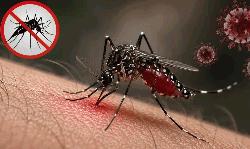
Dengue continues to be a major public health concern in tropical and subtropical countries, including Bangladesh. Transmitted mainly by infected Aedes aegypti mosquitoes, the disease can range from a mild febrile illness to severe dengue requiring hospital care.
According to the World Health Organization (WHO), most people with dengue recover within one to two weeks, but some patients can develop severe disease. The warning signs often become apparent around the time the fever subsides, making close monitoring particularly important.
Treatment: What Should We Do?
There is currently no specific antiviral treatment for dengue. Management focuses mainly on relieving symptoms, maintaining adequate fluid intake and identifying complications at an early stage. WHO recommends medical assessment and appropriate monitoring, particularly for patients who develop warning signs.
Adequate fluids and rest
Patients should take adequate fluids and get sufficient rest. Maintaining hydration is particularly important because fever, vomiting and reduced intake can increase the risk of dehydration.
If a patient is unable to drink adequately, has persistent vomiting or shows signs of dehydration, medical attention should be sought promptly.
Use medicines carefully
WHO recommends paracetamol (acetaminophen) for managing fever and pain when appropriate. However, aspirin and non-steroidal anti-inflammatory drugs (NSAIDs), including ibuprofen, should be avoided in suspected or confirmed acute dengue because of the increased risk of bleeding.
Patients should not self-medicate or change prescribed medicines without consulting a healthcare professional.
Warning Signs Must Not Be Ignored
One of the most important aspects of dengue care is recognising warning signs early.
According to WHO, severe dengue may involve:
1. Severe abdominal pain
2. Persistent vomiting
3. Rapid breathing
4. Bleeding from the gums or nose
5. Blood in vomit or stool
6. Extreme weakness or fatigue
7. Restlessness
8. Excessive thirst
9. Pale and cold skin
A fall in body temperature should not automatically be interpreted as recovery. Severe symptoms can emerge after the fever has gone down.
Prevention: Stop the Mosquito at Its Source
Prevention remains a crucial part of dengue control. Since Aedes mosquitoes breed in water-holding containers, eliminating breeding sites around homes and communities is essential.
Remove stagnant water
People should regularly check their homes and surroundings for containers or objects that can collect water.
Particular attention should be given to:
1. Flowerpots and plant trays
2. Buckets and drums
3. Discarded bottles and plastic containers
4. Old tyres
5. Water tanks and storage containers
6. Rooftops and balconies
7. Construction materials
8. Other objects capable of holding rainwater
Protect against mosquito bites
Aedes mosquitoes are active during the daytime, so protection should not be limited to nighttime.
WHO recommends measures including:
* Wearing clothing that covers as much of the body as practical.
* Using mosquito repellents containing appropriate active ingredients.
* Using window screens.
* Using mosquito nets, particularly when sleeping during the day.
* Using coils or vaporizers where appropriate.
Dengue prevention should become part of a regular household routine.
Families should inspect their homes and surrounding areas frequently and remove stagnant water. Water-storage containers should be kept covered and cleaned regularly.
If someone in the household develops symptoms suggestive of dengue, the family should seek medical advice and monitor the patient's condition carefully.
A person infected with dengue can also infect mosquitoes that bite them during the period when virus is present in the blood. WHO therefore advises infected people to take measures to avoid mosquito bites, including sleeping under an appropriately treated mosquito net, particularly while they have fever.
What Should Communities Do?
Dengue cannot be controlled by households alone. Community participation is essential.
Residents should work together to keep shared spaces clean, remove discarded containers and report places where stagnant water accumulates.
Schools, offices, markets and construction sites should also regularly inspect their premises for potential mosquito breeding sites.
Construction sites deserve particular attention because drums, buckets, tanks, pipes and other materials can collect rainwater and provide suitable breeding habitats.
Role of Authorities
Local authorities and public health agencies have an important role in dengue surveillance, environmental management and mosquito-control activities.
Regular identification and elimination of breeding sites, proper solid-waste management, effective drainage and public awareness campaigns can support broader dengue-control efforts.
WHO's recent clinical-management guidance also emphasises evidence-based care, appropriate fluid management, early recognition of severe disease and timely referral of patients who need higher levels of care.
A Collective Responsibility
Dengue prevention should not begin only when hospitals start reporting a rise in patients. Regular removal of breeding sites and protection against mosquito bites should continue throughout the year.
For individuals and families, the message is straightforward:
* Remove stagnant water.
* Protect against mosquito bites.
* Take adequate fluids and rest when ill.
* Use medicines safely.
* Do not ignore warning signs.
* Seek medical care promptly when necessary.
Conclusion
Dengue is both a medical and a community challenge. While most patients recover with appropriate supportive care, severe dengue can develop and requires immediate medical attention.
The WHO approach places emphasis on early recognition, supportive treatment, careful monitoring and prevention of mosquito transmission. For Bangladesh, sustained household and community-level action, combined with effective public-health measures, remains essential to reducing the impact of dengue.
The fight against dengue is not the responsibility of hospitals alone. It begins at home, continues in the community and requires sustained action from everyone.
According to the World Health Organization (WHO), most people with dengue recover within one to two weeks, but some patients can develop severe disease. The warning signs often become apparent around the time the fever subsides, making close monitoring particularly important.
Treatment: What Should We Do?
There is currently no specific antiviral treatment for dengue. Management focuses mainly on relieving symptoms, maintaining adequate fluid intake and identifying complications at an early stage. WHO recommends medical assessment and appropriate monitoring, particularly for patients who develop warning signs.
Adequate fluids and rest
Patients should take adequate fluids and get sufficient rest. Maintaining hydration is particularly important because fever, vomiting and reduced intake can increase the risk of dehydration.
If a patient is unable to drink adequately, has persistent vomiting or shows signs of dehydration, medical attention should be sought promptly.
Use medicines carefully
WHO recommends paracetamol (acetaminophen) for managing fever and pain when appropriate. However, aspirin and non-steroidal anti-inflammatory drugs (NSAIDs), including ibuprofen, should be avoided in suspected or confirmed acute dengue because of the increased risk of bleeding.
Patients should not self-medicate or change prescribed medicines without consulting a healthcare professional.
Warning Signs Must Not Be Ignored
One of the most important aspects of dengue care is recognising warning signs early.
According to WHO, severe dengue may involve:
1. Severe abdominal pain
2. Persistent vomiting
3. Rapid breathing
4. Bleeding from the gums or nose
5. Blood in vomit or stool
6. Extreme weakness or fatigue
7. Restlessness
8. Excessive thirst
9. Pale and cold skin
Anyone developing these symptoms should seek medical care immediately, as severe dengue can require hospitalisation and may become life-threatening.
A fall in body temperature should not automatically be interpreted as recovery. Severe symptoms can emerge after the fever has gone down.
Prevention: Stop the Mosquito at Its Source
Prevention remains a crucial part of dengue control. Since Aedes mosquitoes breed in water-holding containers, eliminating breeding sites around homes and communities is essential.
Remove stagnant water
People should regularly check their homes and surroundings for containers or objects that can collect water.
1. Flowerpots and plant trays
2. Buckets and drums
3. Discarded bottles and plastic containers
4. Old tyres
5. Water tanks and storage containers
6. Rooftops and balconies
7. Construction materials
8. Other objects capable of holding rainwater
WHO recommends covering, emptying and cleaning domestic water-storage containers regularly and removing artificial habitats that can hold water.
Protect against mosquito bites
Aedes mosquitoes are active during the daytime, so protection should not be limited to nighttime.
WHO recommends measures including:
* Wearing clothing that covers as much of the body as practical.
* Using mosquito repellents containing appropriate active ingredients.
* Using window screens.
* Using mosquito nets, particularly when sleeping during the day.
* Using coils or vaporizers where appropriate.
What Should We Do at Home?
Dengue prevention should become part of a regular household routine.
Families should inspect their homes and surrounding areas frequently and remove stagnant water. Water-storage containers should be kept covered and cleaned regularly.
If someone in the household develops symptoms suggestive of dengue, the family should seek medical advice and monitor the patient's condition carefully.
A person infected with dengue can also infect mosquitoes that bite them during the period when virus is present in the blood. WHO therefore advises infected people to take measures to avoid mosquito bites, including sleeping under an appropriately treated mosquito net, particularly while they have fever.
What Should Communities Do?
Dengue cannot be controlled by households alone. Community participation is essential.
Residents should work together to keep shared spaces clean, remove discarded containers and report places where stagnant water accumulates.
Schools, offices, markets and construction sites should also regularly inspect their premises for potential mosquito breeding sites.
Construction sites deserve particular attention because drums, buckets, tanks, pipes and other materials can collect rainwater and provide suitable breeding habitats.
Role of Authorities
Local authorities and public health agencies have an important role in dengue surveillance, environmental management and mosquito-control activities.
Regular identification and elimination of breeding sites, proper solid-waste management, effective drainage and public awareness campaigns can support broader dengue-control efforts.
WHO's recent clinical-management guidance also emphasises evidence-based care, appropriate fluid management, early recognition of severe disease and timely referral of patients who need higher levels of care.
A Collective Responsibility
Dengue prevention should not begin only when hospitals start reporting a rise in patients. Regular removal of breeding sites and protection against mosquito bites should continue throughout the year.
For individuals and families, the message is straightforward:
* Remove stagnant water.
* Protect against mosquito bites.
* Take adequate fluids and rest when ill.
* Use medicines safely.
* Do not ignore warning signs.
* Seek medical care promptly when necessary.
*Keep dengue patients protected from mosquito bites.
Dengue is both a medical and a community challenge. While most patients recover with appropriate supportive care, severe dengue can develop and requires immediate medical attention.
The WHO approach places emphasis on early recognition, supportive treatment, careful monitoring and prevention of mosquito transmission. For Bangladesh, sustained household and community-level action, combined with effective public-health measures, remains essential to reducing the impact of dengue.
The fight against dengue is not the responsibility of hospitals alone. It begins at home, continues in the community and requires sustained action from everyone.
Source: World Health Organization (WHO)
-AAH
Loading...
Loading...
Also read






Editor : Iqbal Sobhan Chowdhury
Published by the Editor on behalf of the Observer Ltd. from Globe Printers, 24/A, New Eskaton Road, Ramna, Dhaka.
Editorial, News and Commercial Offices : Aziz Bhaban (2nd floor), 93, Motijheel C/A, Dhaka-1000.
Phone: PABX- 41053001-06; Advertisement: 41053012; 01793317829, 01550707291, E-mail: [email protected], [email protected] Online: email: [email protected] 41053014; 01550707297 Advertisement: 01550707296
Published by the Editor on behalf of the Observer Ltd. from Globe Printers, 24/A, New Eskaton Road, Ramna, Dhaka.
Editorial, News and Commercial Offices : Aziz Bhaban (2nd floor), 93, Motijheel C/A, Dhaka-1000.
Phone: PABX- 41053001-06; Advertisement: 41053012; 01793317829, 01550707291, E-mail: [email protected], [email protected] Online: email: [email protected] 41053014; 01550707297 Advertisement: 01550707296


