



| HEADLINE |

|
Global oil prices decline for 7th straight day
Published : Thursday, 24 September, 2026 at 9:34 AM
Observer Online Report



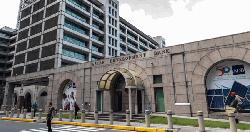
Collected Photo
Global crude oil prices have declined for the seventh consecutive session as indications of diplomatic engagement between the United States and Iran helped ease supply disruption concerns in the Middle East.
On Thursday (September 24), international benchmark Brent crude dropped by 94 cents, or 0.9 per cent, to settle at $102.13 per barrel.
Simultaneously, US West Texas Intermediate (WTI) crude fell by 59 cents, or 0.39 per cent, trading at $91.56 per barrel.
The extended decline follows a brief 4 per cent surge in earlier sessions, before prices reversed after Tehran signaled a willingness to keep diplomatic avenues open to address ongoing regional tensions. However, substantial policy differences between Washington and Tehran remain unresolved.
Meanwhile, global bond markets showed relative stability on Wednesday. Yields on the US 10-year Treasury note edged up by 0.01 percentage points to 4.96 per cent, reflecting ongoing market sensitivity to inflation risks driven by energy price volatility.
Austin Goolsbee, President of the Federal Reserve Bank of Chicago, issued a caution earlier this week, emphasizing that if recent inflationary pressure stems from broad structural factors rather than temporary energy price spikes, the Federal Reserve may need to take swift and aggressive policy action.
-SA
Loading...
Loading...
Also read








Editor : Iqbal Sobhan Chowdhury
Published by the Editor on behalf of the Observer Ltd. from Globe Printers, 24/A, New Eskaton Road, Ramna, Dhaka.
Editorial, News and Commercial Offices : Aziz Bhaban (2nd floor), 93, Motijheel C/A, Dhaka-1000.
Phone: PABX- 41053001-06; Advertisement: 41053012; 01793317829, 01550707291, E-mail: [email protected], [email protected] Online: email: [email protected] 41053014; 01550707297 Advertisement: 01550707296
Published by the Editor on behalf of the Observer Ltd. from Globe Printers, 24/A, New Eskaton Road, Ramna, Dhaka.
Editorial, News and Commercial Offices : Aziz Bhaban (2nd floor), 93, Motijheel C/A, Dhaka-1000.
Phone: PABX- 41053001-06; Advertisement: 41053012; 01793317829, 01550707291, E-mail: [email protected], [email protected] Online: email: [email protected] 41053014; 01550707297 Advertisement: 01550707296


