



| HEADLINE |

|
Why did Netanyahu visit UAE?
Published : Wednesday, 30 September, 2026 at 8:14 AM
Observer Online Report


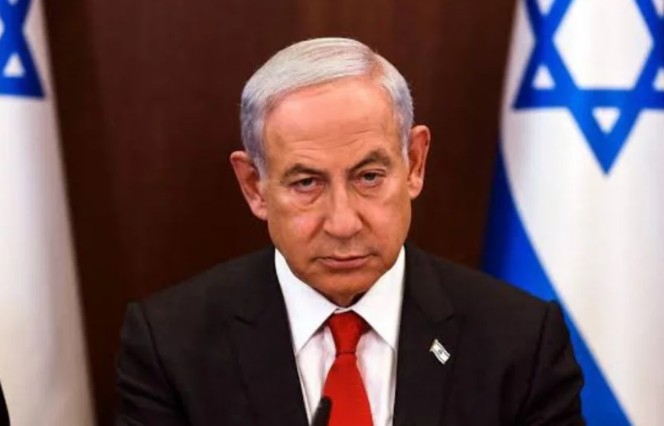
Collected Photo
Israeli Prime Minister Benjamin Netanyahu paid a brief, unannounced visit to Abu Dhabi for secret talks with United Arab Emirates President Sheikh Mohamed bin Zayed Al Nahyan, his office confirmed nearly 24 hours after his return to Israel.
The undisclosed meeting took place against the backdrop of heightened diplomatic strain triggered by media reports from the Associated Press and Haaretz. The reports claimed that Sheikh Mohamed had personally alerted Netanyahu regarding an impending Hamas operation roughly ten days before the October 7, 2023 attack—a claim the Israeli Prime Minister's Office has strongly denied.
According to former diplomatic advisers and Israeli media reports, a central objective of Netanyahu's unexpected trip was to request that the Emirati leadership publicly refute the narrative surrounding the pre-attack warning.
The dispute over the alleged phone call had reportedly introduced severe friction into personal and diplomatic communications between the two leaders.
The timing of the secret summit carries significant weight for Israeli domestic politics as the country approaches its general election scheduled for October 27.
Facing persistent political and security scrutiny over intelligence failures tied to the October 7 assault, Netanyahu's high-level engagement with a principal signatory of the Abraham Accords serves to project continued diplomatic capability and regional standing to voters.
Beyond bilateral friction and domestic campaign dynamics, security sources indicated that the closed-door discussions focused heavily on regional strategic developments, particularly concerning Iran.
As Gulf nations—including Saudi Arabia, Qatar, and Oman—maintain open diplomatic channels with Tehran to mitigate regional escalation, direct coordination with Abu Dhabi remains a top strategic priority for Israeli defense planning.
While original plans reportedly involved issuing a coordinated joint statement after the delegation returned to Israel, details of the secret meeting were leaked to the media ahead of schedule.
Netanyahu's office subsequently released a statement affirming that the leaders engaged in constructive dialogue aimed at reinforcing bilateral cooperation and addressing shared regional security interests.
-SA
Loading...
Loading...
Also read









Editor : Iqbal Sobhan Chowdhury
Published by the Editor on behalf of the Observer Ltd. from Globe Printers, 24/A, New Eskaton Road, Ramna, Dhaka.
Editorial, News and Commercial Offices : Aziz Bhaban (2nd floor), 93, Motijheel C/A, Dhaka-1000.
Phone: PABX- 41053001-06; Advertisement: 41053012; 01793317829, 01550707291, E-mail: [email protected], [email protected] Online: email: [email protected] 41053014; 01550707297 Advertisement: 01550707296
Published by the Editor on behalf of the Observer Ltd. from Globe Printers, 24/A, New Eskaton Road, Ramna, Dhaka.
Editorial, News and Commercial Offices : Aziz Bhaban (2nd floor), 93, Motijheel C/A, Dhaka-1000.
Phone: PABX- 41053001-06; Advertisement: 41053012; 01793317829, 01550707291, E-mail: [email protected], [email protected] Online: email: [email protected] 41053014; 01550707297 Advertisement: 01550707296


