



| HEADLINE |

|

Pneumonic plague: How dangerous is it?
Published : Thursday, 8 October, 2026 at 11:59 AM
Observer Online Report


Collected Photo
A 28-year-old researcher at Russia’s Irkutsk Research Anti-Plague Institute has died of pneumonia from an unknown source, leading authorities to quarantine several people.
Russian authorities said there was no evidence linking the researcher’s illness to his work. The World Health Organization (WHO) is in contact with Russian health officials and said the current risk to the general public appears low.
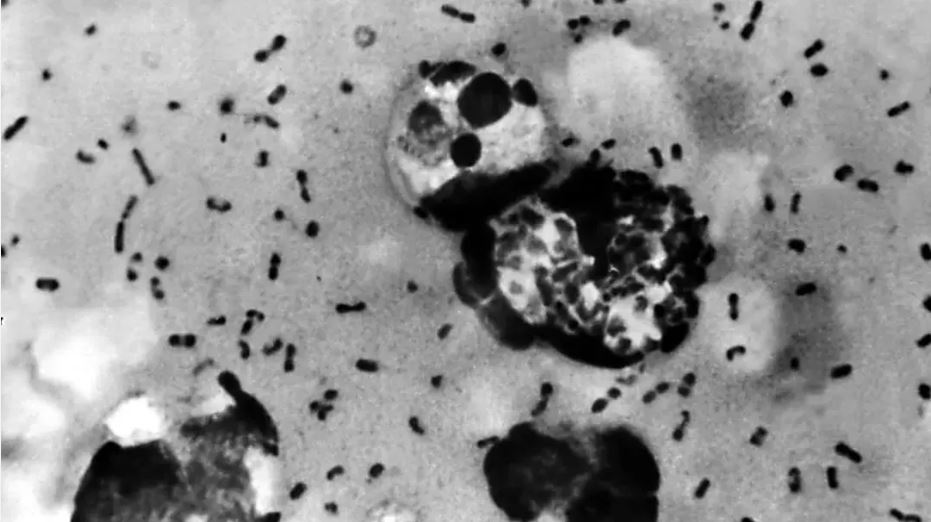
Pneumonic plague is a rare but highly dangerous lung infection caused by Yersinia pestis. It can spread from person to person through respiratory droplets when an infected person coughs or sneezes.
Symptoms can appear within 24 hours and include fever, chills, headache, body aches, weakness and breathing difficulties. Without treatment, the disease can be fatal, but early antibiotic treatment greatly improves the chances of survival.
Other forms of plague include bubonic plague, which causes swollen and painful lymph nodes, and septicemic plague, which infects the bloodstream and can cause organ failure.
Although plague has not been eradicated, experts say the risk of a global outbreak remains low. Patients can become seriously ill very quickly, reducing the chance of widespread transmission.
WHO advises people to avoid direct contact with infected patients and their bodily fluids, while healthcare workers should use appropriate protective equipment.
-AJM
Russian authorities said there was no evidence linking the researcher’s illness to his work. The World Health Organization (WHO) is in contact with Russian health officials and said the current risk to the general public appears low.
Pneumonic plague is a rare but highly dangerous lung infection caused by Yersinia pestis. It can spread from person to person through respiratory droplets when an infected person coughs or sneezes.
Symptoms can appear within 24 hours and include fever, chills, headache, body aches, weakness and breathing difficulties. Without treatment, the disease can be fatal, but early antibiotic treatment greatly improves the chances of survival.
Other forms of plague include bubonic plague, which causes swollen and painful lymph nodes, and septicemic plague, which infects the bloodstream and can cause organ failure.
Although plague has not been eradicated, experts say the risk of a global outbreak remains low. Patients can become seriously ill very quickly, reducing the chance of widespread transmission.
WHO advises people to avoid direct contact with infected patients and their bodily fluids, while healthcare workers should use appropriate protective equipment.
-AJM

Loading...
Loading...
Also read






Editor : Iqbal Sobhan Chowdhury
Published by the Editor on behalf of the Observer Ltd. from Globe Printers, 24/A, New Eskaton Road, Ramna, Dhaka.
Editorial, News and Commercial Offices : Aziz Bhaban (2nd floor), 93, Motijheel C/A, Dhaka-1000.
Phone: PABX- 41053001-06; Advertisement: 41053012; 01793317829, 01550707291, E-mail: [email protected], [email protected] Online: email: [email protected] 41053014; 01550707297 Advertisement: 01550707296
Published by the Editor on behalf of the Observer Ltd. from Globe Printers, 24/A, New Eskaton Road, Ramna, Dhaka.
Editorial, News and Commercial Offices : Aziz Bhaban (2nd floor), 93, Motijheel C/A, Dhaka-1000.
Phone: PABX- 41053001-06; Advertisement: 41053012; 01793317829, 01550707291, E-mail: [email protected], [email protected] Online: email: [email protected] 41053014; 01550707297 Advertisement: 01550707296


