



| HEADLINE |

|

Brick kilns remain operational, despite petition; MPs seek intervention
Published : Saturday, 17 October, 2026 at 5:18 PM
Observer Correspondent


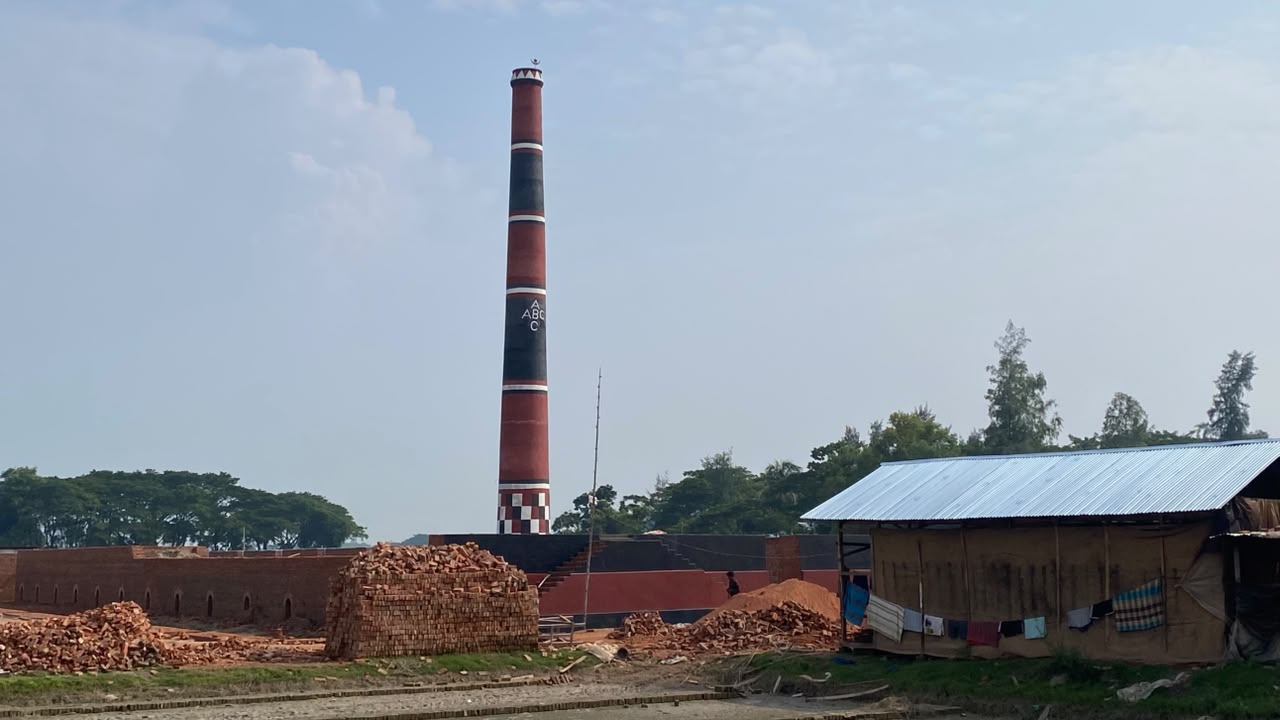
Despite the existence of laws and the filing of writs in court, the operations of illegal brick kilns in the Ramgati and Kamalnagar upazilas of Lakshmipur continue unabated, according to local residents.
Two Members of Parliament (MPs) have now sought the direct intervention of the Minister of Environment, Forest and Climate Change to shut down approximately 63 such illegal brick kilns across these two upazilas. They argue that these kilns pose a threat to agricultural land, the environment, and public health, while also causing damage to local roads.
A.B.M. Ashraf Uddin Nizan, MP for the Lakshmipur-4 constituency and a Whip in the National Parliament, along with Bithika Binte Hossain, an MP from the reserved seats for women, have sent separate letters to the Minister of Environment, Forest and Climate Change, Abdul Awal Mintu.
In their respective letters, they have called for enforcement actions against the illegal brick kilns, a halt to the extraction of topsoil from agricultural land, the prohibition of banned fuels, and the disconnection of unauthorized electricity supplies. They shared these letters on their respective verified Facebook pages last Friday night (October 16).
The MPs noted that the removal of topsoil for brick production reduces soil fertility and threatens to disrupt agricultural output. Furthermore, the smoke and dust emitted by these kilns contribute to air pollution and pose significant health risks to local residents, particularly children, pregnant women, the elderly, and individuals with respiratory conditions.
They also expressed concern regarding the movement of heavily-loaded tractors, trolleys, and other heavy vehicles used to transport bricks and soil. It is alleged that these vehicles are damaging rural roads and causing considerable hardship to the public.
In his letter, Whip A.B.M. Ashraf Uddin Nizan pointed out that a large portion of the population in Ramgati and Kamalnagar relies on agriculture for their livelihood. He warned that using topsoil from farmland for brick manufacturing diminishes the land's productivity, potentially leading to long-term financial losses for farmers.
Such activities, he added, also pose a threat to environmental balance and sustainable development. Meanwhile, Bithika Binte Hossain has called for the verification of electricity connections used by brick kilns and the disconnection of any unauthorized supply. Furthermore, she has requested that the relevant authorities issue directives to halt the use of prohibited fuels, conduct environmental inspections, and regulate the movement of overloaded vehicles.
How effective is the implementation of existing laws?
In Bangladesh, the establishment and operation of brick kilns are governed by the ‘Brick Manufacturing and Kiln Establishment (Control) Act, 2013.’ Section 5 of this Act imposes prohibitions on certain practices, including the use of topsoil from agricultural land for brick production. Section 15 outlines the penalties for violating these provisions.
Additionally, under the Bangladesh Environment Conservation Act, 1995, and the Environment Conservation Rules, 2023, brick kilns are required to obtain environmental clearances and adhere to pollution control regulations. Consequently, the relevant authorities have the mandate to verify the validity of a kiln’s operational permits, environmental clearances, location, and fuel usage, and to take appropriate action accordingly.
However, determining exactly how many of the brick kilns in Ramgati and Kamalnagar are currently operational, which lack proper authorization, and which are in violation of the law requires up-to-date data from the relevant departments, as well as on-site investigations.
According to local sources, a writ petition was filed with the High Court in 2024 seeking the closure of illegal brick kilns in these two upazilas. It is also reported that another writ petition regarding the same issue was filed in 2026. Local residents allege that, despite these legal proceedings and local protests, the operations of these brick kilns have not ceased.
The two Members of Parliament have urged for the compilation of a comprehensive list of these brick kilns, the conduct of on-site inspections, the verification of permits and environmental clearances, and the initiation of legal action against those in violation of the law. They have also demanded the implementation of regular monitoring, coordinated by the Department of Environment, the district administration, and the upazila administration.
Copies of the letter have been forwarded to the Department of Environment, the Deputy Commissioner of Lakshmipur, and the Upazila Executive Officers of Ramgati and Kamalnagar. Additionally, copies of Bithika Binte Hossain’s letter have been sent to the Divisional Commissioner of Chattogram, the relevant electricity distribution utility, and the officials responsible at the Roads and Highways Department.
It now depends on the investigation and actions of the relevant authorities—specifically, how effectively they verify the allegations and implement measures to protect the environment, agricultural land, and public health.
- SI/NS
Two Members of Parliament (MPs) have now sought the direct intervention of the Minister of Environment, Forest and Climate Change to shut down approximately 63 such illegal brick kilns across these two upazilas. They argue that these kilns pose a threat to agricultural land, the environment, and public health, while also causing damage to local roads.
A.B.M. Ashraf Uddin Nizan, MP for the Lakshmipur-4 constituency and a Whip in the National Parliament, along with Bithika Binte Hossain, an MP from the reserved seats for women, have sent separate letters to the Minister of Environment, Forest and Climate Change, Abdul Awal Mintu.
In their respective letters, they have called for enforcement actions against the illegal brick kilns, a halt to the extraction of topsoil from agricultural land, the prohibition of banned fuels, and the disconnection of unauthorized electricity supplies. They shared these letters on their respective verified Facebook pages last Friday night (October 16).
The MPs noted that the removal of topsoil for brick production reduces soil fertility and threatens to disrupt agricultural output. Furthermore, the smoke and dust emitted by these kilns contribute to air pollution and pose significant health risks to local residents, particularly children, pregnant women, the elderly, and individuals with respiratory conditions.
They also expressed concern regarding the movement of heavily-loaded tractors, trolleys, and other heavy vehicles used to transport bricks and soil. It is alleged that these vehicles are damaging rural roads and causing considerable hardship to the public.
In his letter, Whip A.B.M. Ashraf Uddin Nizan pointed out that a large portion of the population in Ramgati and Kamalnagar relies on agriculture for their livelihood. He warned that using topsoil from farmland for brick manufacturing diminishes the land's productivity, potentially leading to long-term financial losses for farmers.
Such activities, he added, also pose a threat to environmental balance and sustainable development. Meanwhile, Bithika Binte Hossain has called for the verification of electricity connections used by brick kilns and the disconnection of any unauthorized supply. Furthermore, she has requested that the relevant authorities issue directives to halt the use of prohibited fuels, conduct environmental inspections, and regulate the movement of overloaded vehicles.
How effective is the implementation of existing laws?
In Bangladesh, the establishment and operation of brick kilns are governed by the ‘Brick Manufacturing and Kiln Establishment (Control) Act, 2013.’ Section 5 of this Act imposes prohibitions on certain practices, including the use of topsoil from agricultural land for brick production. Section 15 outlines the penalties for violating these provisions.
Additionally, under the Bangladesh Environment Conservation Act, 1995, and the Environment Conservation Rules, 2023, brick kilns are required to obtain environmental clearances and adhere to pollution control regulations. Consequently, the relevant authorities have the mandate to verify the validity of a kiln’s operational permits, environmental clearances, location, and fuel usage, and to take appropriate action accordingly.
However, determining exactly how many of the brick kilns in Ramgati and Kamalnagar are currently operational, which lack proper authorization, and which are in violation of the law requires up-to-date data from the relevant departments, as well as on-site investigations.
According to local sources, a writ petition was filed with the High Court in 2024 seeking the closure of illegal brick kilns in these two upazilas. It is also reported that another writ petition regarding the same issue was filed in 2026. Local residents allege that, despite these legal proceedings and local protests, the operations of these brick kilns have not ceased.
The two Members of Parliament have urged for the compilation of a comprehensive list of these brick kilns, the conduct of on-site inspections, the verification of permits and environmental clearances, and the initiation of legal action against those in violation of the law. They have also demanded the implementation of regular monitoring, coordinated by the Department of Environment, the district administration, and the upazila administration.
Copies of the letter have been forwarded to the Department of Environment, the Deputy Commissioner of Lakshmipur, and the Upazila Executive Officers of Ramgati and Kamalnagar. Additionally, copies of Bithika Binte Hossain’s letter have been sent to the Divisional Commissioner of Chattogram, the relevant electricity distribution utility, and the officials responsible at the Roads and Highways Department.
It now depends on the investigation and actions of the relevant authorities—specifically, how effectively they verify the allegations and implement measures to protect the environment, agricultural land, and public health.
- SI/NS

Loading...
Loading...
Also read







Editor : Iqbal Sobhan Chowdhury
Published by the Editor on behalf of the Observer Ltd. from Globe Printers, 24/A, New Eskaton Road, Ramna, Dhaka.
Editorial, News and Commercial Offices : Aziz Bhaban (2nd floor), 93, Motijheel C/A, Dhaka-1000.
Phone: PABX- 41053001-06; Advertisement: 41053012; 01793317829, 01550707291, E-mail: [email protected], [email protected] Online: email: [email protected] 41053014; 01550707297 Advertisement: 01550707296
Published by the Editor on behalf of the Observer Ltd. from Globe Printers, 24/A, New Eskaton Road, Ramna, Dhaka.
Editorial, News and Commercial Offices : Aziz Bhaban (2nd floor), 93, Motijheel C/A, Dhaka-1000.
Phone: PABX- 41053001-06; Advertisement: 41053012; 01793317829, 01550707291, E-mail: [email protected], [email protected] Online: email: [email protected] 41053014; 01550707297 Advertisement: 01550707296


