



| HEADLINE |

|

B’desh marks National Revolution and Solidarity Day today


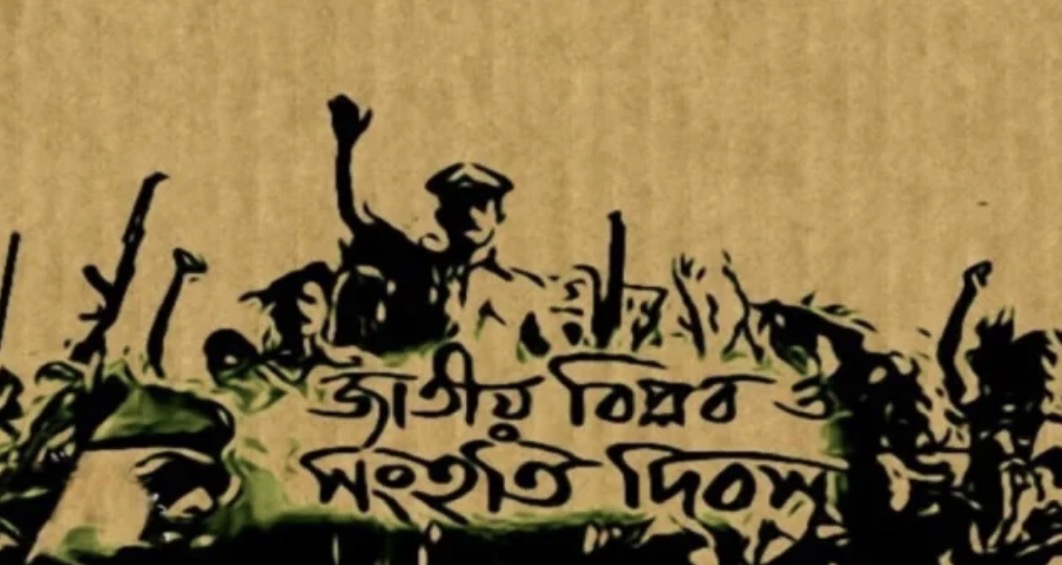
Bangladesh is observing National Revolution and Solidarity Day today (Saturday), November 7, with a series of programmes across the country, marking the events of November 7, 1975.
The day has been declared a public holiday, with national flags being hoisted at government, semi-government, autonomous and private institutions across the country. Bangladesh’s embassies and missions abroad have also been instructed to hoist the national flag at sunrise.
The day has been included in the government’s official list of national and international observances as a ‘Class A’ day, making its annual observance part of the national calendar. All scheduled banks will remain closed, while the Bangladesh Garment Manufacturers and Exporters Association (BGMEA) has announced a general holiday for garment factories.
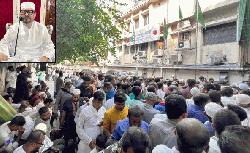
The Bangladesh Nationalist Party (BNP) is set to organise a rally in the capital to mark the occasion. Party Chairman and Prime Minister Tarique Rahman will inaugurate the procession from the party’s central office in Nayapaltan.
According to BNP Acting Secretary General Ruhul Kabir Rizvi, the procession will begin after the prime minister’s inaugural address and pass through Kakrail, the Chief Justice’s residence, Hotel InterContinental intersection, Banglamotor and Farmgate before ending at Manik Mia Avenue.
Before the rally, Tarique Rahman and senior party leaders are scheduled to pay tribute at the graves of former president Ziaur Rahman and former prime minister Khaleda Zia at Sher-e-Bangla Nagar.
The BNP has also announced a week-long programme, including rallies, discussion meetings and photographic exhibitions across the country.
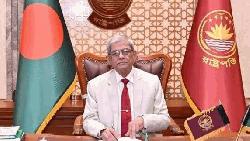
In separate messages marking the day, President Mirza Fakhrul Islam Alamgir and Prime Minister Tarique Rahman called for national unity, democracy and the protection of Bangladesh’s independence and sovereignty.
The president urged citizens, irrespective of political affiliation, to work together to build a democratic, just, humane and safe Bangladesh. He described November 7 as a significant turning point in the country’s history and paid tribute to the soldiers and civilians who took part in the events of 1975.
In his message, the president also drew parallels between the unity witnessed on November 7, 1975, and the mass uprising of 2024, saying collective public action had played a significant role in the country’s political history.
Prime Minister Tarique Rahman said the November 7 uprising had shaped Bangladesh’s political direction by resisting attempts to undermine the country’s independence and sovereignty.
He said the events of 1975 and the mass uprising of 2024 should serve as reminders of the importance of protecting people’s democratic rights and preventing any attempt to turn Bangladesh into a subordinate state.
The government has undertaken a range of programmes to mark the occasion. Major roads and road islands will be decorated with national flags, while special prayers and religious services will be held at mosques, temples, churches and other places of worship.
Hospitals, prisons, orphanages and other welfare institutions will arrange improved meals for residents. Children’s parks managed by city corporations and municipalities will remain open free of charge throughout the day.
Educational institutions and local administrations will organise discussions, essay-writing and art competitions. Special programmes will also be broadcast on Bangladesh Television, private television channels and radio stations.
The Bangladesh Shilpakala Academy will arrange patriotic music programmes, while discussion meetings and exhibition football matches will be held at district and upazila levels. The armed forces will also organise special programmes, including flag hoisting, prayer meetings and a ceremonial display at the Army Stadium in Dhaka.
As part of the observance, the Dhaka Elevated Expressway will remain toll-free for all vehicles from 6:00am to noon today, according to the Bangladesh Bridge Authority.
November 7, 1975, is remembered as a major turning point in Bangladesh’s post-independence political history. The events involved soldiers and civilians amid a period of political and military instability following the assassination of then president Sheikh Mujibur Rahman in August 1975 and subsequent changes in military leadership.
During the events, then army chief Major General Ziaur Rahman, who had been confined to his residence, was released. The day is observed by the BNP as National Revolution and Solidarity Day.





Published by the Editor on behalf of the Observer Ltd. from Globe Printers, 24/A, New Eskaton Road, Ramna, Dhaka.
Editorial, News and Commercial Offices : Aziz Bhaban (2nd floor), 93, Motijheel C/A, Dhaka-1000.
Phone: PABX- 41053001-06; Advertisement: 41053012; 01793317829, 01550707291, 01550707296
E-mail: [email protected], [email protected]. [email protected], [email protected], [email protected], [email protected], Online-email: [email protected]


