



| HEADLINE |

|

Mobile tower operators sound alarm as fuel crunch deepens
Published : Wednesday, 22 April, 2026 at 12:00 AM
Staff Correspondent


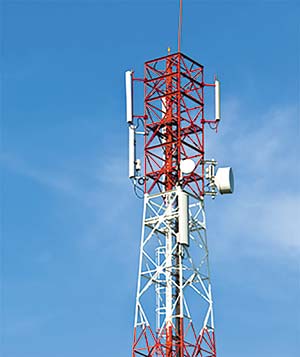 Bangladesh's telecom backbone is teetering under the weight of an intensifying fuel crunch, with the Bangladesh TowerCo Association (BTA) issuing a stark warning: without urgent energy prioritisation, the country could face sweeping connectivity disruptions with far-reaching economic impact.
In a strongly worded appeal, the association called for the telecommunications sector to be formally designated as a priority service, backed by dedicated fuel allocation and structured rationing mechanisms. The warning comes as global energy volatility tightens its grip on Bangladesh, now directly squeezing the infrastructure that powers its digital economy.
At the heart of the concern are more than 45,000 telecom towers scattered across the country-each reliant on grid electricity, with fuel-powered backup systems acting as lifelines during outages. With fuel supply under strain, those lifelines are fraying. What begins as isolated network hiccups, BTA cautions, could swiftly snowball into a nationwide signal slump.
Sunil Issac, Interim President of BTA and Country Managing Director of EDOTCO Bangladesh, did not mince words.
Telecommunications, he argued, must be treated as critical national infrastructure in any crisis response.
"Bangladesh's connectivity ecosystem is facing a real and immediate threat," he said. "If telecom is not prioritised in national energy allocation, we risk a cascading failure-one that will disrupt businesses, essential services, and daily life. Connectivity is no longer optional; it is foundational."
Behind the scenes, BTA has already knocked on the doors of the Bangladesh Telecommunication Regulatory Commission (BTRC) and the Ministry of Energy, seeking swift and coordinated intervention. Its proposals include priority fuel access for telecom operators and policy support to ensure uninterrupted operations during energy shortages.
"Given the scale of digital dependency, this is not the time for reactive measures," Issac added. "We have outlined the risks and offered practical solutions. What is needed now is decisive action."
The stakes are high and spreading. From banking and financial services to garment exports, e-commerce, ICT, and small businesses-virtually every artery of the economy pulses through telecom networks. A prolonged disruption would not only stall operations but could also dent investor confidence and tarnish Bangladesh's growing digital reputation.
Loading...
Loading...
Also read



Editor : Iqbal Sobhan Chowdhury
Published by the Editor on behalf of the Observer Ltd. from Globe Printers, 24/A, New Eskaton Road, Ramna, Dhaka.
Editorial, News and Commercial Offices : Aziz Bhaban (2nd floor), 93, Motijheel C/A, Dhaka-1000.
Phone: PABX- 41053001-06; Advertisement: 41053012; 01793317829, 01550707291, E-mail: [email protected], [email protected] Online: email: [email protected] 41053014; 01550707297 Advertisement: 01550707296
Published by the Editor on behalf of the Observer Ltd. from Globe Printers, 24/A, New Eskaton Road, Ramna, Dhaka.
Editorial, News and Commercial Offices : Aziz Bhaban (2nd floor), 93, Motijheel C/A, Dhaka-1000.
Phone: PABX- 41053001-06; Advertisement: 41053012; 01793317829, 01550707291, E-mail: [email protected], [email protected] Online: email: [email protected] 41053014; 01550707297 Advertisement: 01550707296


