



| HEADLINE |

|

Healthy eating during Eid-ul-Adha: Smart ways to enjoy red meat while staying well
Published : Saturday, 23 May, 2026 at 11:09 PM
Israt Jahan Efat


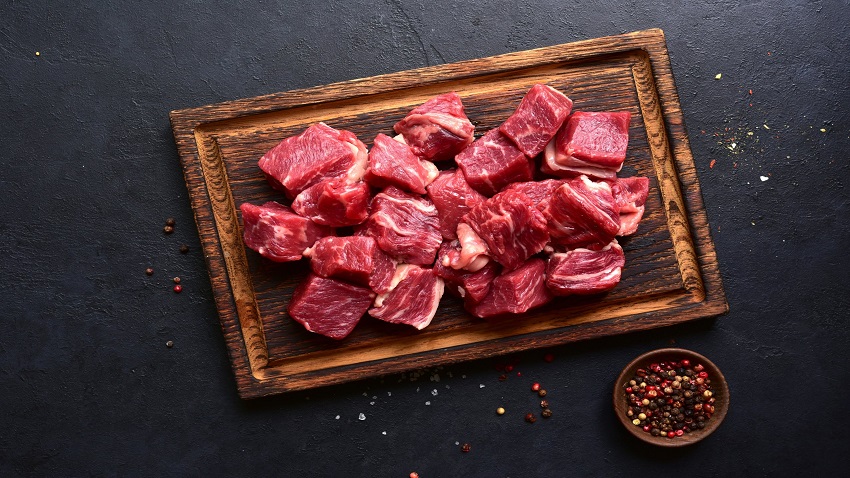
Eid-ul-Adha is one of the most cherished celebrations in our lives-a time of faith, gratitude, family gatherings and joyful feasting. The aroma of traditional dishes prepared with sacrificial meat fills every household, making food an inseparable part of the festive spirit. However, while celebrating this special occasion, maintaining balance and mindful eating is equally important to protect our health and well-being.
During Eid, dining tables are often filled with rich and flavourful dishes such as biryani, kachchi, tehari, rezala, kebabs, korma and bhuna. Although these foods are deeply rooted in our culture and traditions, excessive consumption of red meat, oil, sugar, and refined carbohydrates can place unnecessary stress on the body. Overeating during the festive season may lead to indigestion, acidity, constipation, elevated blood sugar, increased cholesterol levels, weight gain, and cardiovascular complications-particularly among individuals with pre-existing health conditions.
Therefore, enjoying Eid does not mean avoiding favourite foods altogether; rather, it means practicing moderation and making healthier choices without compromising the joy of celebration.
Red meat such as beef and mutton is nutritionally valuable when consumed in appropriate amounts. It is an excellent source of high-quality protein, iron, zinc, selenium, phosphorus, and essential B vitamins including B3, B6, and B12. These nutrients play important roles in muscle maintenance, energy production, immunity, and healthy blood formation.
At the same time, red meat also contains saturated fat and cholesterol. Consuming excessive amounts-especially fatty cuts and heavily processed dishes-may increase the risk of obesity, fatty liver disease, hypertension, and heart-related complications. The health impact of red meat therefore depends largely on portion size, frequency of consumption, and cooking methods.
For a healthy adult weighing around 60-70 kilograms, approximately 250-300 grams of cooked meat per day may be considered acceptable during Eid, provided it is divided into smaller portions across meals instead of being consumed all at once. If other protein-rich foods such as eggs or chicken are eaten on the same day, meat intake should ideally be reduced to around 200 grams.
Individuals with diabetes, high blood pressure, heart disease, kidney disease, liver disorders, obesity, or digestive problems should be more cautious. For them, limiting red meat intake to approximately 60-90 grams per day is advisable. Instead of rich biryani or oily polao, a balanced meal consisting of plain rice, vegetables, salad, and moderate portions of lean meat may be a healthier choice.
Desserts are another beloved part of Eid celebrations. Traditional homemade items such as semai, payesh, pudding, custard, and faluda can certainly be enjoyed in moderation. However, reducing the use of condensed milk, butter, margarine, excess oil, and refined sugar can make these dishes significantly healthier. Individuals with diabetes may consider using alternative sweeteners such as stevia under professional guidance. In many cases, replacing heavy desserts with colourful seasonal fruits like watermelon, papaya, mango, guava, berries, or pineapple provides natural sweetness along with valuable vitamins, minerals, antioxidants, and dietary fibre.
One of the most common digestive complaints during Eid is constipation, often caused by excessive meat intake combined with inadequate fibre and water consumption. This problem can become particularly uncomfortable for individuals suffering from piles or anal fissures. To maintain digestive comfort, drinking sufficient water throughout the day is essential. Including fibre-rich options such as psyllium husk, chia seeds, basil seeds, lemon water without sugar, or fresh fruit-infused drinks may also support healthy bowel movements and digestion.
Vegetables and salads should never be overlooked during Eid meals. A simple and practical approach is to consume at least 100 grams of vegetables or salad alongside every 50 grams of meat. Starting meals with salad or vegetables may help improve fullness, reduce overeating, and support better digestion.
Choosing lean cuts of meat can also make a meaningful difference. Parts such as the back leg or shoulder generally contain less visible fat and more protein compared to fatty portions. On the other hand, organ meats such as brain, excessive animal fat, and heavily fatty cuts contain high amounts of cholesterol and saturated fat and should be consumed sparingly.
Equally important is the method of cooking. Meat prepared with excessive oil, deep frying, or repeated reheating may negatively affect health. Healthier preparation techniques such as grilling, steaming, baking, boiling, or slow cooking are preferable. Marinating meat with yogurt, lemon juice, ginger, garlic, and spices before cooking may improve both flavour and digestibility. Adding vegetables to meat dishes further enhances nutritional value while reducing calorie density.
Healthier Eid dishes may include grilled beef tikka, baked meat with vegetables, homemade stew, soup, haleem prepared with balanced ingredients, or lightly cooked traditional curries with reduced oil and fat.
After consuming heavy meals, digestive-friendly beverages such as borhani, yogurt drinks, coconut water, cumin water, or ginger-infused drinks may help reduce bloating and discomfort. In contrast, carbonated soft drinks and artificially flavoured beverages should be minimized, as they often contain excessive sugar and contribute little nutritional benefit.
Physical activity is another essential yet frequently neglected aspect of Eid wellness. Spending the entire day sitting, socializing, and eating may slow digestion and increase lethargy. A simple walk for 30 minutes to one hour-particularly after dinner-can significantly support digestion, blood sugar regulation, and calorie balance. It is also advisable to avoid going to bed immediately after heavy meals; maintaining at least a two-hour gap between dinner and sleep may help improve digestive health.
Eid-ul-Adha is a celebration of gratitude, compassion, and togetherness. By maintaining moderation, making mindful food choices, staying hydrated, and remaining physically active, it is entirely possible to enjoy the festive season while preserving long-term health and well-being.
Those living with chronic medical conditions are encouraged to seek personalized dietary advice from qualified healthcare professionals or nutritionists before making significant changes to their festive diet.
The writer is a senior clinical nutritionist at Bangladesh Psychiatric Care Clinic, Dhanmondi and Bio-Xin Cosmeceuticals
Loading...
Loading...
Also read







Editor : Iqbal Sobhan Chowdhury
Published by the Editor on behalf of the Observer Ltd. from Globe Printers, 24/A, New Eskaton Road, Ramna, Dhaka.
Editorial, News and Commercial Offices : Aziz Bhaban (2nd floor), 93, Motijheel C/A, Dhaka-1000.
Phone: PABX- 41053001-06; Advertisement: 41053012; 01793317829, 01550707291, E-mail: [email protected], [email protected] Online: email: [email protected] 41053014; 01550707297 Advertisement: 01550707296
Published by the Editor on behalf of the Observer Ltd. from Globe Printers, 24/A, New Eskaton Road, Ramna, Dhaka.
Editorial, News and Commercial Offices : Aziz Bhaban (2nd floor), 93, Motijheel C/A, Dhaka-1000.
Phone: PABX- 41053001-06; Advertisement: 41053012; 01793317829, 01550707291, E-mail: [email protected], [email protected] Online: email: [email protected] 41053014; 01550707297 Advertisement: 01550707296


