



| HEADLINE |

|

The Metamorphosis: A true masterwork of human nature
Published : Saturday, 13 June, 2026 at 12:00 AM
By Franz Kafka


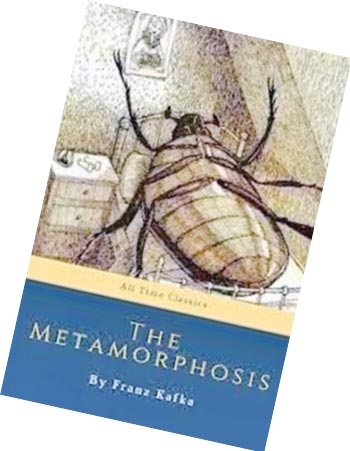 Amongst the endless selection of books, many of them are bound to stand out more than others. Within these many, the mere 70 page novel- “The Metamorphosis” by Franz Kafka had indeed caught my eye.
 The novel, though short, is a masterwork of existential literature. It covers many interwoven themes, diving into psychological and social aspects of human life. The metamorphosis speaks about the absurdity of life, the disconnection between one's body and soul, dehumanization and the limits of sympathy. From the absolute beginning of the novel, many expect to be met with a grotesque story about the main character, Gregor Sama, who has awoken in the body of a beetle, and how this affects those around him and ultimately affects himself. Rather than the vile story I had expected, I was met with a mirror that reflects the hushed despondency and dehumanization that can permeate life.
Reviewed by Labibah Bint Mahtab
This lugubrious novel is more than what meets the eye, for it depicts some of the ugliest sides of humanity I have ever read in a book. Through this novel, I could see how fear affects a human's behaviour, and how dehumanization can break a mind beyond repair and how it is in human nature to be more cruel than we realise.
Kafka’s bleak and poignant fashion of narrating plays a huge role in how the story is read and interpreted by the reader. The author uses a very detached and matter-of-fact tone, leaving no room for questioning. The manner in which Kafka describes Gregor's transformation into a monstrous insect in a calm and almost uncaring way. The way in which the author narrates the story compelled me to reexamine my own existence, the roles I play, the expectations I bear, as well as the subtle ways in which identity can erode under the pressure of conformity.
Gregor fondly remembered how his family had treated him before his unwelcomed transformation, he was the cynosure of his family due to his role of the sole breadwinner of the family, but once his body had changed to his new unsightly form, he was quickly disregarded by his father, while his mother and sister struggled to accept this drastic change. Gregor himself dreaded his situation- he had lost his worth due to his situation, he could no longer work and bring money to his family, he was met with a feeling of fear, as well as his family members. This goes to show how humans fear anything that is unfamiliar to them. Gregor's family members fear having to seek employment and the prospect of anyone finding out about Gregor’s new form, whereas the now beetle fears the idea of being useless and repulsive to the ones he held dear. His own family had feared him, and wished to keep him locked away, everything he once lived for was taken away from him overnight, leaving Gregor vulnerable and most certainly in fear. This fear that Gregor and his family experiences is an important aspect of this novel, and it is shown in the ugliest way possible.
Given that Gregor was the family’s single means of financial support, overtime, he felt as if that is what he should do, the respect and admiration was the only thing anchoring him from descending into madness. Gregor felt he must achieve his goal of earning money, so when he did succeed in completing his goal, he felt joy, but when he could no longer work and earn money, this prevented him from feeling this joy as he could no longer feel that same joy- the same feeling of being useful and required, he began to gradually fall into the depths of despair as time passed. This was a role assigned to him that he must live up to, as without this role- he is nothing. And so when this “role” is stripped away from him due to his unpredicted transformation, he begins to feel as if he will be discarded and thrown away, and so he is.
When Gregor first awoke as the insect, his first worry was not how he would live, or what had happened, but rather the immense fear of getting into trouble due to the fact that he was late for work. This highlights people's fear of being disregarded and no longer having any value. I believe Kafka’s way of expressing this was truly genius. Gregor's character is a wonderful case study of his slow descension into despair and misery. The progress of Gregor’s despair is beautifully constructed and truly made me think about how even those you believed were good people who had a soft spot for you, quickly change when met with fear and uncertainty.
Gregor still had a deep love for his younger sister, who was the only one who seemed to make an attempt to try to care for him, he would bring him scraps of food- especially a sweetened glass of milk with pieces of bread, though milk was his favorite drink, due to his new form, he felt no joy in drinking it, and began to prefer rotten vegetables. I believe this shows how he does not feel worthy of anything he had while he was human, his thoughts physically manifesting themselves as he lost any mortal joy from eating or drinking real food.
His younger sister was shown to be a truly good person at heart. Despite her disgust upon seeing her brother, whom she once admired, had turned into a monstrous insect. Upon realising that his dear sister had been repulsed by him, Gregor began to hide himself. When Gregor first emerged from his room, he was absolutely ebullient, excited to see his family once more as after much hard work, he left his room, calling out “Mother! Mother!”. Yet to his dismay, his mother did not reciprocate this joy, wailing and fleeing away into his fathers arms. Gregor, at first assumed that his family was but in a mere state of shock, he had expected them to slowly warm up to him once more, and reclaim him as their son, but when he had realised that their attitude only shifted to the worse, he responded with understandable spite.
Gregor was previously locked up in his room, but he began to rebel. He would no longer hide himself but rather climb up on walls to scare his mother and sister. Eventually, he manages to scurry out of his room, leading to the climax at which his father grows tired of him and throws an apple at him, one that permanently lodges itself onto his back, and slowly leading to something far worse.
In “The Metamorphosis” the apple symbolises destruction and hatred. It depicts how the father wishes to be rid of Gregor.
The apple symbolism is a very deep rooted one, as after a bit of research, I found that the thought behind Gregor's fathers actions came from Kafka’s own father. I believe that the throwing of an apple also shows guilt and shame. Just as how Kafka was abused for being strange, it is the same for Gregor, the guilt and shame the family felt upon seeing his disgusting transformation, was now stuck to him, a permanent reminder of his family’s repulsion.
The symbolism is beautifully portrayed and has a much deeper meaning than what many will see on the surface level, dare I go so far as to say that this has changed my view of apples, forever engraving the tragic fate of Gregor Samsa into my mind.
As the story progresses, the apple slowly begins to cause an infection on Gregor's body, showing how due to his new useless form, he’s being eradicated, and once this tragically leads to his demise, his family begin to rejoice. I believe the joy the family feels shows how they “got rid of their fears”, as the insect they once were so scared of, is now gone. It shows how humans are quick to assume, as Gregor had no malicious intent to begin with, yet they assumed he posed a threat to them and so felt they must get rid of him.
Overall, “The Metamorphosis” is a beautifully constructed genius work, depicting how ugly humans can be at heart, and how humans will do anything simply to get rid of this feeling of “fear”. This novel has changed how I see things in many ways, and has also taught me how humans quickly contort into something much scarier when met with a “fight or flight” situation. It shifted my views of self worth and human nature and the fragility of identity.

Loading...
Loading...



Editor : Iqbal Sobhan Chowdhury
Published by the Editor on behalf of the Observer Ltd. from Globe Printers, 24/A, New Eskaton Road, Ramna, Dhaka.
Editorial, News and Commercial Offices : Aziz Bhaban (2nd floor), 93, Motijheel C/A, Dhaka-1000.
Phone: PABX- 41053001-06; Advertisement: 41053012; 01793317829, 01550707291, E-mail: [email protected], [email protected] Online: email: [email protected] 41053014; 01550707297 Advertisement: 01550707296
Published by the Editor on behalf of the Observer Ltd. from Globe Printers, 24/A, New Eskaton Road, Ramna, Dhaka.
Editorial, News and Commercial Offices : Aziz Bhaban (2nd floor), 93, Motijheel C/A, Dhaka-1000.
Phone: PABX- 41053001-06; Advertisement: 41053012; 01793317829, 01550707291, E-mail: [email protected], [email protected] Online: email: [email protected] 41053014; 01550707297 Advertisement: 01550707296


