



| HEADLINE |

|
Hilsa peak season brings little relief to Barguna fishers
Published : Wednesday, 5 August, 2026 at 12:00 AM
Our Correspondent


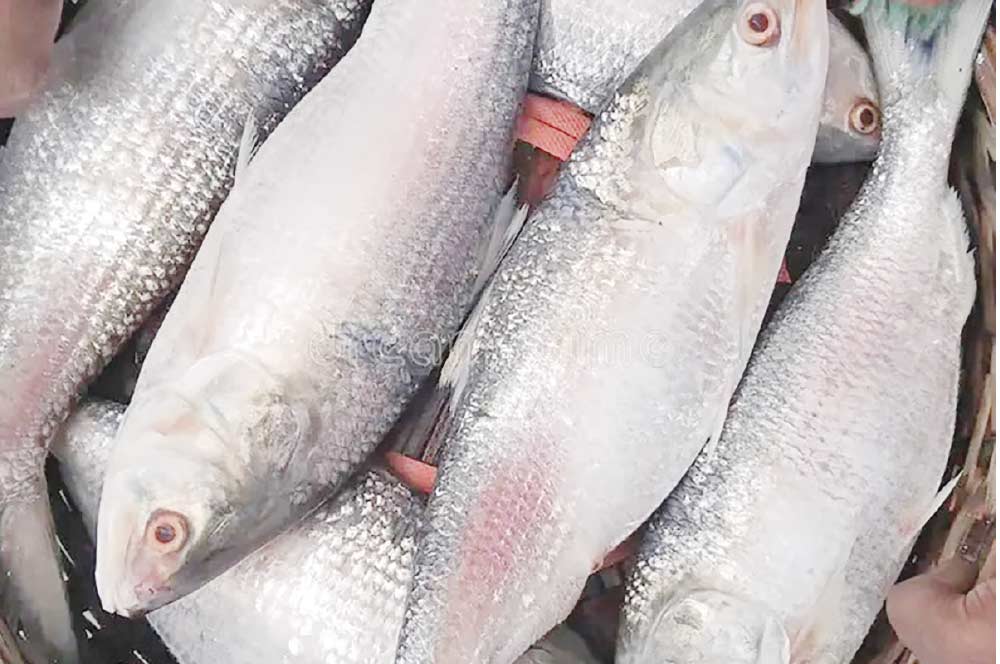 AMTALI, BARGUNA, Aug 4: The peak hilsa fishing season has brought disappointment rather than prosperity to thousands of fishing families along the Barguna coast, as catches remain far below expectations.
 Every year during the rainy season, the Bay of Bengal and coastal rivers teem with hilsa, sustaining the livelihoods of thousands of fishers in Amtali, Taltali, Betagi, Bamna, Patharghata and Barguna Sadar. This year, however, many fishing boats are returning nearly empty despite spending days at sea.
The poor catch has left thousands of fishing families struggling to survive, with many unable to recover the cost of their fishing trips.
Fishers said operating a trawler in deep waters costs between Tk 100,000 and Tk 300,000 per trip, depending on the vessel's size and duration of the voyage. Expenses include fuel, ice, food supplies and crew wages.
With catches failing to cover those costs, many trawler owners and fishers have become increasingly dependent on loans from banks, NGOs and local moneylenders. Some say they are taking out new loans simply to repay existing debts.
The difficulties have been compounded by repeated government fishing bans, adverse weather, rising fuel prices, fears of piracy at sea and mounting loan repayments.
Visits to several coastal villages found many fishing households struggling to make ends meet. Residents said some families were borrowing money for daily expenses, while others had sold livestock or mortgaged household belongings to survive.
With few alternative employment opportunities available, many fishers have no source of income when fishing activities decline.
The downturn has also affected the region's fish markets and related businesses.
Traders said hilsa supplies were significantly lower than in previous years, pushing up prices while making it difficult to meet consumer demand. They warned that the shortage was hurting not only fishers but also wholesalers, auction workers, ice factories, transport workers and others dependent on the fisheries sector.
According to the Department of Fisheries, Barguna has around 48,600 registered fishers, in addition to several thousand unregistered fishers who are not eligible for government incentives or food assistance.
Although registered fishers receive limited food support during official fishing bans, many say it is insufficient to sustain their families throughout the restriction period.
Fisheries officials and local stakeholders attributed the declining hilsa catch to a combination of factors, including climate change, reduced river navigability, the formation of sandbars, changes in the marine environment and the continued use of illegal current nets and fine-mesh fishing nets, which disrupt the natural migration and breeding of hilsa.
Fishers have urged the government to provide easier access to loans, fuel subsidies, registration opportunities for unregistered fishers, stronger action against piracy, emergency assistance during periods of bad weather and alternative livelihood programmes.
Loading...
Loading...
Also read



Editor : Iqbal Sobhan Chowdhury
Published by the Editor on behalf of the Observer Ltd. from Globe Printers, 24/A, New Eskaton Road, Ramna, Dhaka.
Editorial, News and Commercial Offices : Aziz Bhaban (2nd floor), 93, Motijheel C/A, Dhaka-1000.
Phone: PABX- 41053001-06; Advertisement: 41053012; 01793317829, 01550707291, E-mail: [email protected], [email protected] Online: email: [email protected] 41053014; 01550707297 Advertisement: 01550707296
Published by the Editor on behalf of the Observer Ltd. from Globe Printers, 24/A, New Eskaton Road, Ramna, Dhaka.
Editorial, News and Commercial Offices : Aziz Bhaban (2nd floor), 93, Motijheel C/A, Dhaka-1000.
Phone: PABX- 41053001-06; Advertisement: 41053012; 01793317829, 01550707291, E-mail: [email protected], [email protected] Online: email: [email protected] 41053014; 01550707297 Advertisement: 01550707296


