



| HEADLINE |

|

A Fragile Dawn: Country go to polls deciding a new political future
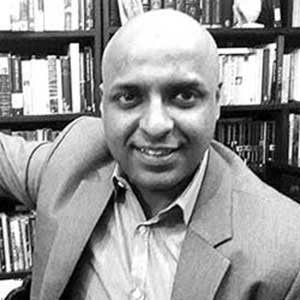


Photo: AI Generated
Today, Bangladesh stands at a rare and defining moment in its political history. The country’s 13th parliamentary elections today arrive at a moment- heavy, perhaps too heavy with history, possibilities and challenges – all three together.
Coming after the collapse of the Sheikh Hasina–led regime on 5 August 2024, this election is more than a routine constitutional exercise. It is a reckoning with the country’s recent past and a collective attempt to reset the moral, institutional, and democratic compass of the state. For many Bangladeshis, it feels like the closing of a long, suffocating chapter—and also a manifestly fragile opening of a new one.
For over a decade and half, Bangladesh’s democratic architecture steadily eroded under an increasingly centralized and authoritarian style of political governance. In the due course, national elections held in 2014, 18 and 24 lost credibility while institutions were hollowed out. Political dissent was criminalized, and political competition narrowed to the point of near extinction.
While the Awami League justified its grip on power in the name of stability, development, and secularism, the costs were borne by democratic norms: compromised courts, politicized bureaucracy, constrained media followed by a culture of fear that seeped into everyday civic life. The collapse of that regime, however it is interpreted, has created a rare political rupture—one that offers space for renewal but also carries the risk of relapse.
This election is crucial because it represents a chance to restore the most basic democratic principle: Rights of citizens to choose their leaders freely and meaningfully. A credible, competitive, and participatory election can begin to heal public trust that has been badly damaged by years of disputed polls and one-sided contests.
However, the political trust, once broken, is not easily rebuilt. It requires not only transparent voting procedures but also a visible commitment by all political actors to accept rules of the game, respect outcomes, and place the national interest above partisan gain.
It is equally important to note that - the 13th JS polls offer a unique opportunity to decisively shun authoritarian political practices that had somewhat become normalized.
Let us not forget that rampant use of state machineries against political opposition, blurring the lines between party and government, enforced disappearances, arbitrary arrests, and silencing of journalists and activists must be confronted not as excesses of one political regime only - but as structural failures that allowed power to concentrate unchecked.
While the nation is heading for the ballots today, democracy cannot be restored merely by changing the occupants of office, it must be safeguarded by rebuilding severely damaged institutions that can detain and hold accountable whoever governs next.
Against the backdrop of today’s Bangladesh’s reality, we comprehend today’s national elections as the beginning of a new chapter in Bangladesh’s political journey. And a new chapter does not mean forgetting the past, but drawing lessons from past mistakes and failures.
It calls for a political culture that values pluralism over dominance, accountability over impunity, and dialogue over coercion. Most important - it demands to move away from zero-sum politics, where victory means total control and defeat means exclusion, and march toward a system where opposition is seen as legitimate and necessary.
What do we, as a responsible media house expect from the party that wins today’s elections?
First and foremost, restraint. After years of apparent oppression and a failed interim arrangement, we expect an elected government that governs within limits—constitutional, legal and ethical – on all three counts.
The winning party must resist the temptation to weaponize the state against rivals or to perpetuate the same tools of repression it may once have suffered under.
Since democracy is to take root again, breaking the cycle of vengeance and payback politics is essential.
We along with all Bangladeshis expect protection of fundamental rights. That said- freedom of expression, media independence, academic freedom, and the right to peaceful protests are not luxuries, but the lifeblood of a democratic society. A government confident in its mandate should not fear criticism, on the contrary, it should welcome it as a corrective force.
Going beyond democracy, people want dignity in governance, meaning tackling corruption seriously, ensuring fair access to justice, addressing economic inequality, and creating opportunities—especially for youth—based on merit rather than political loyalty.
A polite reminder to all our 51 political parties today - development that silence voices is no longer enough - citizens crave for development that empowers them.
Finally, there is a deep desire for inclusivity.
Bangladesh is diverse in opinions, identities and aspirations. The next government must speak to all of them, and not just merely focus on its electoral base. National unity cannot be enforced - it must be earned through fairness, empathy, and shared purpose.
Today’s 13th parliamentary elections, therefore, is not just about which party wins it, but about how power is exercised afterward. It is a test of whether Bangladesh can move beyond a history of democratic backsliding and seize this rare moment to build a more open, transparent, accountable, and humane political order.
The stakes are high—but so is our hope.
Coming after the collapse of the Sheikh Hasina–led regime on 5 August 2024, this election is more than a routine constitutional exercise. It is a reckoning with the country’s recent past and a collective attempt to reset the moral, institutional, and democratic compass of the state. For many Bangladeshis, it feels like the closing of a long, suffocating chapter—and also a manifestly fragile opening of a new one.
For over a decade and half, Bangladesh’s democratic architecture steadily eroded under an increasingly centralized and authoritarian style of political governance. In the due course, national elections held in 2014, 18 and 24 lost credibility while institutions were hollowed out. Political dissent was criminalized, and political competition narrowed to the point of near extinction.
While the Awami League justified its grip on power in the name of stability, development, and secularism, the costs were borne by democratic norms: compromised courts, politicized bureaucracy, constrained media followed by a culture of fear that seeped into everyday civic life. The collapse of that regime, however it is interpreted, has created a rare political rupture—one that offers space for renewal but also carries the risk of relapse.
This election is crucial because it represents a chance to restore the most basic democratic principle: Rights of citizens to choose their leaders freely and meaningfully. A credible, competitive, and participatory election can begin to heal public trust that has been badly damaged by years of disputed polls and one-sided contests.
However, the political trust, once broken, is not easily rebuilt. It requires not only transparent voting procedures but also a visible commitment by all political actors to accept rules of the game, respect outcomes, and place the national interest above partisan gain.
It is equally important to note that - the 13th JS polls offer a unique opportunity to decisively shun authoritarian political practices that had somewhat become normalized.
Let us not forget that rampant use of state machineries against political opposition, blurring the lines between party and government, enforced disappearances, arbitrary arrests, and silencing of journalists and activists must be confronted not as excesses of one political regime only - but as structural failures that allowed power to concentrate unchecked.
While the nation is heading for the ballots today, democracy cannot be restored merely by changing the occupants of office, it must be safeguarded by rebuilding severely damaged institutions that can detain and hold accountable whoever governs next.
Against the backdrop of today’s Bangladesh’s reality, we comprehend today’s national elections as the beginning of a new chapter in Bangladesh’s political journey. And a new chapter does not mean forgetting the past, but drawing lessons from past mistakes and failures.
It calls for a political culture that values pluralism over dominance, accountability over impunity, and dialogue over coercion. Most important - it demands to move away from zero-sum politics, where victory means total control and defeat means exclusion, and march toward a system where opposition is seen as legitimate and necessary.
What do we, as a responsible media house expect from the party that wins today’s elections?
First and foremost, restraint. After years of apparent oppression and a failed interim arrangement, we expect an elected government that governs within limits—constitutional, legal and ethical – on all three counts.
The winning party must resist the temptation to weaponize the state against rivals or to perpetuate the same tools of repression it may once have suffered under.
Since democracy is to take root again, breaking the cycle of vengeance and payback politics is essential.
We along with all Bangladeshis expect protection of fundamental rights. That said- freedom of expression, media independence, academic freedom, and the right to peaceful protests are not luxuries, but the lifeblood of a democratic society. A government confident in its mandate should not fear criticism, on the contrary, it should welcome it as a corrective force.
Going beyond democracy, people want dignity in governance, meaning tackling corruption seriously, ensuring fair access to justice, addressing economic inequality, and creating opportunities—especially for youth—based on merit rather than political loyalty.
A polite reminder to all our 51 political parties today - development that silence voices is no longer enough - citizens crave for development that empowers them.
Finally, there is a deep desire for inclusivity.
Bangladesh is diverse in opinions, identities and aspirations. The next government must speak to all of them, and not just merely focus on its electoral base. National unity cannot be enforced - it must be earned through fairness, empathy, and shared purpose.
Today’s 13th parliamentary elections, therefore, is not just about which party wins it, but about how power is exercised afterward. It is a test of whether Bangladesh can move beyond a history of democratic backsliding and seize this rare moment to build a more open, transparent, accountable, and humane political order.
The stakes are high—but so is our hope.
The writer is Editorial Chief, The Daily Observer

Loading...
Loading...
Also read








Editor : Iqbal Sobhan Chowdhury
Published by the Editor on behalf of the Observer Ltd. from Globe Printers, 24/A, New Eskaton Road, Ramna, Dhaka.
Editorial, News and Commercial Offices : Aziz Bhaban (2nd floor), 93, Motijheel C/A, Dhaka-1000.
Phone: PABX- 41053001-06; Advertisement: 41053012; 01793317829, 01550707291, E-mail: [email protected], [email protected] Online: email: [email protected] 41053014; 01550707297 Advertisement: 01550707296
Published by the Editor on behalf of the Observer Ltd. from Globe Printers, 24/A, New Eskaton Road, Ramna, Dhaka.
Editorial, News and Commercial Offices : Aziz Bhaban (2nd floor), 93, Motijheel C/A, Dhaka-1000.
Phone: PABX- 41053001-06; Advertisement: 41053012; 01793317829, 01550707291, E-mail: [email protected], [email protected] Online: email: [email protected] 41053014; 01550707297 Advertisement: 01550707296


