



| HEADLINE |

|

Bangladesh overhauls savings certificate tax rules
Published : Saturday, 11 July, 2026 at 12:54 PM
Tanjeem


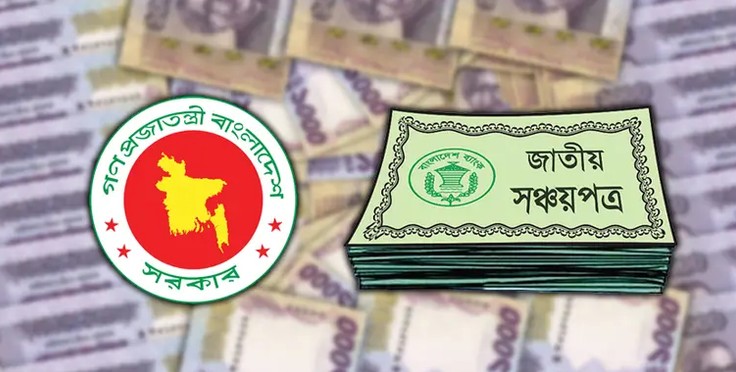
Bangladesh has introduced major changes to its income tax system that will allow investors in government savings certificates (Sanchayapatra) to claim refunds, if excess tax is deducted from their profit.
The reforms, introduced under the Finance Act for FY2026-27, also offer tax discounts for individuals who submit their income tax returns early.
Savings Certificate Tax No Longer Final
Under the Income Tax Act, a 10 per cent withholding tax is deducted from the profit earned on savings certificates. Previously, this deduction was treated as the taxpayer's final tax liability, meaning no adjustment or refund was possible.
From the 2026-27 fiscal year, however, the 10 per cent deduction will be treated as an advance tax payment rather than a final tax. At the end of the tax year, the deducted amount will be adjusted against the taxpayer's actual tax liability.
If the deducted tax exceeds the amount owed based on the taxpayer's total taxable income, the excess will either be refunded or adjusted against other tax liabilities.
Greater Relief for Low-Income Taxpayers
The reform is expected to benefit taxpayers whose total annual income falls within the tax-free threshold or whose effective tax rate is below 10 per cent.
Tax expert Snehasish Barua explained that the withholding tax rate on savings certificates has not increased. It remains at 10 per cent, with the only change being the method of tax collection.
''Previously, the tax deducted at source was considered final. Now it will be treated as advance tax, allowing many taxpayers to reduce their actual tax burden through adjustment or refunds.''
Taxpayers whose effective tax rate exceeds 10 per cent will be able to adjust the deducted amount as advance tax and pay any remaining balance when filing their annual tax returns.
Fully Digital Refund System
According to Jafar Imam, First Secretary (Tax Information Management and Assessment) at the National Board of Revenue (NBR), the refund process will be entirely digital and automated.
When taxpayers submit their returns online, the system will automatically identify whether they qualify for a refund. Eligible taxpayers will then complete an online refund form by providing their bank account details.
After verification, the refund amount will be transferred directly to the taxpayer's bank account within 120 days of the application.
Officials say the process will be paperless, faceless, and require no direct interaction with tax officials, improving transparency and public confidence in the tax administration.
Example of How the Refund Works
The NBR provided an example to explain the new system.
If a taxpayer owns savings certificates worth Tk 5 million and earns Tk 500,000 in annual profit, Tk 50,000 (10%) will be deducted as withholding tax.
If, after calculating the taxpayer's total income and applicable tax slabs, the actual tax liability comes to Tk 40,000, the taxpayer will be entitled to a Tk 10,000 refund or may adjust that amount against other taxes.
Under the previous system, the excess amount could not be recovered because the withholding tax was treated as final.
Early Tax Return Filers to Receive Discounts
The Finance Act 2026 also introduces incentives for early submission of income tax returns.
Individuals who file their tax returns between July 1 and September 30 will receive a 5 per cent discount on their payable tax, subject to a maximum benefit of Tk 25,000.
Returns submitted between October 1 and December 31 will neither receive a discount nor incur any penalty.
Late filing penalties will apply as follows:
January 1-March 31: Penalty of 2 per cent of payable tax, capped at Tk 3,000.
April 1-June 30: Penalty of 5 per cent of payable tax, capped at Tk 5,000.
Example of the Tax Discount
An NBR official explained that if a taxpayer earns Tk 450,000 annually, the new tax-free income threshold of Tk 400,000 means only Tk 50,000 will be taxable.
If the total tax payable amounts to Tk 10,000, filing the return by September 30 will qualify the taxpayer for a 5 per cent discount, reducing the final tax payment to Tk 9,500.
Incentive for First-Time Taxpayers
The government has also retained incentives for first-time taxpayers.
Individuals filing an income tax return for the first time will pay a minimum tax of Tk 1,000, while the standard minimum tax for other taxpayers remains Tk 5,000.
Higher Tax-Free Income Threshold
The annual tax-free income limit has been increased from Tk 350,000 to Tk 400,000.
The new individual income tax rates are:
First Tk 400,000: Tax-free
Next Tk 300,000: 10%
Next Tk 400,000: 15%
Next Tk 500,000: 20%
Next Tk 2,000,000: 25%
Income above that: 30%
The reforms are intended to make Bangladesh's tax system more transparent, equitable, and taxpayer-friendly by ensuring that withholding taxes reflect actual tax liabilities while encouraging timely tax return submissions through financial incentives.
The reforms, introduced under the Finance Act for FY2026-27, also offer tax discounts for individuals who submit their income tax returns early.
Savings Certificate Tax No Longer Final
Under the Income Tax Act, a 10 per cent withholding tax is deducted from the profit earned on savings certificates. Previously, this deduction was treated as the taxpayer's final tax liability, meaning no adjustment or refund was possible.
From the 2026-27 fiscal year, however, the 10 per cent deduction will be treated as an advance tax payment rather than a final tax. At the end of the tax year, the deducted amount will be adjusted against the taxpayer's actual tax liability.
If the deducted tax exceeds the amount owed based on the taxpayer's total taxable income, the excess will either be refunded or adjusted against other tax liabilities.
Greater Relief for Low-Income Taxpayers
The reform is expected to benefit taxpayers whose total annual income falls within the tax-free threshold or whose effective tax rate is below 10 per cent.
Tax expert Snehasish Barua explained that the withholding tax rate on savings certificates has not increased. It remains at 10 per cent, with the only change being the method of tax collection.
''Previously, the tax deducted at source was considered final. Now it will be treated as advance tax, allowing many taxpayers to reduce their actual tax burden through adjustment or refunds.''
Taxpayers whose effective tax rate exceeds 10 per cent will be able to adjust the deducted amount as advance tax and pay any remaining balance when filing their annual tax returns.
Fully Digital Refund System
According to Jafar Imam, First Secretary (Tax Information Management and Assessment) at the National Board of Revenue (NBR), the refund process will be entirely digital and automated.
When taxpayers submit their returns online, the system will automatically identify whether they qualify for a refund. Eligible taxpayers will then complete an online refund form by providing their bank account details.
After verification, the refund amount will be transferred directly to the taxpayer's bank account within 120 days of the application.
Officials say the process will be paperless, faceless, and require no direct interaction with tax officials, improving transparency and public confidence in the tax administration.
Example of How the Refund Works
The NBR provided an example to explain the new system.
If a taxpayer owns savings certificates worth Tk 5 million and earns Tk 500,000 in annual profit, Tk 50,000 (10%) will be deducted as withholding tax.
If, after calculating the taxpayer's total income and applicable tax slabs, the actual tax liability comes to Tk 40,000, the taxpayer will be entitled to a Tk 10,000 refund or may adjust that amount against other taxes.
Under the previous system, the excess amount could not be recovered because the withholding tax was treated as final.
Early Tax Return Filers to Receive Discounts
The Finance Act 2026 also introduces incentives for early submission of income tax returns.
Individuals who file their tax returns between July 1 and September 30 will receive a 5 per cent discount on their payable tax, subject to a maximum benefit of Tk 25,000.
Returns submitted between October 1 and December 31 will neither receive a discount nor incur any penalty.
Late filing penalties will apply as follows:
January 1-March 31: Penalty of 2 per cent of payable tax, capped at Tk 3,000.
April 1-June 30: Penalty of 5 per cent of payable tax, capped at Tk 5,000.
Example of the Tax Discount
An NBR official explained that if a taxpayer earns Tk 450,000 annually, the new tax-free income threshold of Tk 400,000 means only Tk 50,000 will be taxable.
If the total tax payable amounts to Tk 10,000, filing the return by September 30 will qualify the taxpayer for a 5 per cent discount, reducing the final tax payment to Tk 9,500.
Incentive for First-Time Taxpayers
The government has also retained incentives for first-time taxpayers.
Individuals filing an income tax return for the first time will pay a minimum tax of Tk 1,000, while the standard minimum tax for other taxpayers remains Tk 5,000.
Higher Tax-Free Income Threshold
The annual tax-free income limit has been increased from Tk 350,000 to Tk 400,000.
The new individual income tax rates are:
First Tk 400,000: Tax-free
Next Tk 300,000: 10%
Next Tk 400,000: 15%
Next Tk 500,000: 20%
Next Tk 2,000,000: 25%
Income above that: 30%
The reforms are intended to make Bangladesh's tax system more transparent, equitable, and taxpayer-friendly by ensuring that withholding taxes reflect actual tax liabilities while encouraging timely tax return submissions through financial incentives.
Loading...
Loading...
Also read








Editor : Iqbal Sobhan Chowdhury
Published by the Editor on behalf of the Observer Ltd. from Globe Printers, 24/A, New Eskaton Road, Ramna, Dhaka.
Editorial, News and Commercial Offices : Aziz Bhaban (2nd floor), 93, Motijheel C/A, Dhaka-1000.
Phone: PABX- 41053001-06; Advertisement: 41053012; 01793317829, 01550707291, E-mail: [email protected], [email protected] Online: email: [email protected] 41053014; 01550707297 Advertisement: 01550707296
Published by the Editor on behalf of the Observer Ltd. from Globe Printers, 24/A, New Eskaton Road, Ramna, Dhaka.
Editorial, News and Commercial Offices : Aziz Bhaban (2nd floor), 93, Motijheel C/A, Dhaka-1000.
Phone: PABX- 41053001-06; Advertisement: 41053012; 01793317829, 01550707291, E-mail: [email protected], [email protected] Online: email: [email protected] 41053014; 01550707297 Advertisement: 01550707296


