



| HEADLINE |

|

Blood, Fire and Blackout: Remembering July 18, 2024


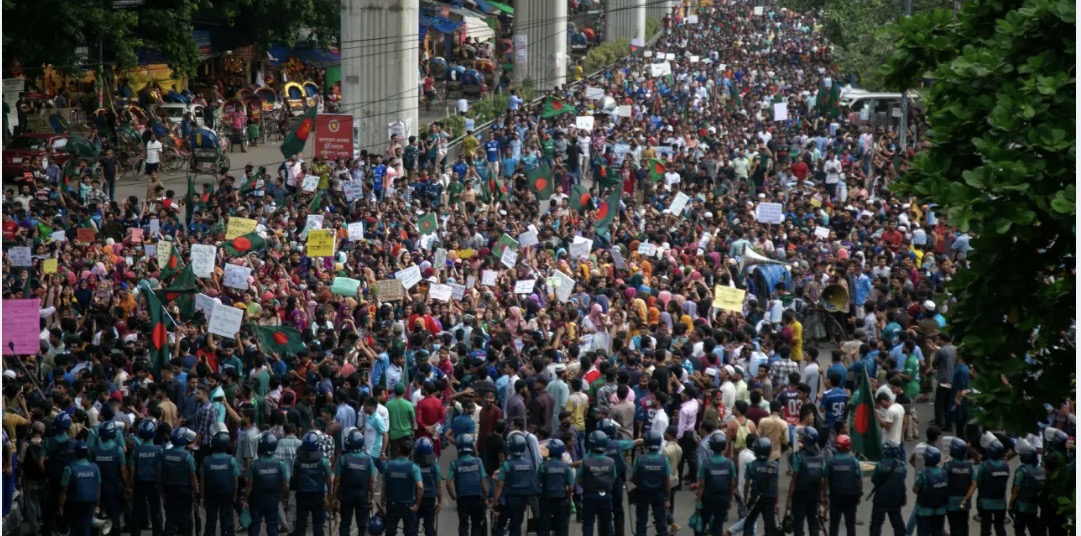
July 18, 2026, marks two years since the deadliest day of the 2024 quota reform movement. On July 18, 2024, the “Complete Shutdown” programme triggered nationwide clashes that left dozens dead, more than 1,500 injured and much of the country at a standstill. By nightfall, the government shut down internet services across the country, marking a turning point in the movement.
Tensions had been building since the previous night. From early morning, students and supporters occupied key roads across Dhaka, with Uttara becoming the epicentre of the violence. Police used tear gas, rubber bullets and sound grenades to disperse protesters, who retaliated by throwing bricks and stones.
One of the day’s most widely shared videos showed a police vehicle running over protesters in Uttara. At least eight people were reported killed there, including Bangladesh University of Professionals (BUP) student Mir Mahfuzur Rahman Mughd, who was fatally shot while distributing food and water to demonstrators. His death later became one of the defining symbols of the movement.
Clashes quickly spread to other parts of the capital. Government buildings and police installations were set on fire, metro services at four stations were suspended and Bangladesh Television’s (BTV) headquarters in Rampura was attacked and torched, disrupting broadcasts. Residential Model College student Farhan Faiyaz was killed during clashes in Dhanmondi, while journalist Mehedi Hasan was shot dead while reporting in Jatrabari.
Students from private universities, including BRAC University and East West University, joined the demonstrations in large numbers as unrest spread to nearly 50 districts. Contemporary reports estimated the nationwide death toll at between 27 and 31.
Rail communication with Dhaka was suspended, and after 9pm the government shut down broadband internet nationwide. Mobile internet had already been largely unavailable since the previous night. The blackout�"five days for broadband and eight days for mobile internet�"crippled communication, news distribution and essential digital services, becoming one of the largest internet shutdowns in Bangladesh’s history.
Although authorities initially linked the shutdown to a fire at Khaja Tower in Mohakhali, the Internet Service Providers Association of Bangladesh (ISPAB) later said the suspension had been carried out on government instructions, fuelling debate over the role of the telecommunications authorities.
As the crisis deepened, the government offered talks and proposed reforms to the quota system. Protest leaders rejected the offer, insisting that dialogue was impossible in the wake of the bloodshed.
By July 19, Border Guard Bangladesh (BGB) had deployed 229 platoons nationwide as violence continued. The deaths of Mughd and Faiyaz became enduring symbols of the movement and continued to inspire subsequent protests.
The legacy of July 18 extended beyond the demonstrations. In 2025, the interim government proposed legal reforms to curb executive powers to suspend internet services, strengthen the independence of the Bangladesh Telecommunication Regulatory Commission (BTRC) and introduce greater safeguards against state surveillance.


Published by the Editor on behalf of the Observer Ltd. from Globe Printers, 24/A, New Eskaton Road, Ramna, Dhaka.
Editorial, News and Commercial Offices : Aziz Bhaban (2nd floor), 93, Motijheel C/A, Dhaka-1000.
Phone: PABX- 41053001-06; Advertisement: 41053012; 01793317829, 01550707291, E-mail: [email protected], [email protected] Online: email: [email protected] 41053014; 01550707297 Advertisement: 01550707296


