



| HEADLINE |

|

Drivers, passengers suffer as CNG shortage causes long queues in Dhaka
Published : Thursday, 13 August, 2026 at 6:06 PM
Observer Online Report


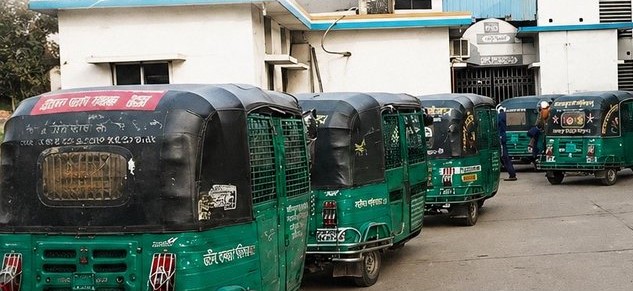
Collected Photo
CNG-powered autorickshaw drivers and passengers are facing severe difficulties in Dhaka as long queues at CNG filling stations force drivers to wait for hours, reducing their working time and income while pushing up transport costs.
At a CNG station in Moghbazar, autorickshaw driver Ripon Mia said he joined the queue at around noon on Thursday but had yet to get gas by 3:30pm. He alleged that VIP and government vehicles were given priority when they arrived at the station.
“Every day, six to seven hours are spent waiting to collect gas,” Ripon said. “That leaves less time to carry passengers and reduces our income.”
Another driver, Anisur Rahman, said drivers still have to pay their owners a daily deposit of Tk1,100 despite being unable to operate normally because of the gas shortage. He claimed that owners sometimes ask drivers to return the vehicle if they cannot pay the full amount.
Drivers said similar shortages were being experienced at CNG stations in different parts of the capital, where long queues of autorickshaws and private vehicles have become a regular sight. Many drivers reportedly have to wait for hours and still fail to obtain the amount of gas they need.
The shortage is also affecting ambulances. Ambulance driver Nuru Mia said many vehicles are unable to make long-distance trips because of the gas shortage, affecting emergency patient transport. He called for a separate arrangement to ensure uninterrupted gas supplies to ambulances and other emergency service vehicles.
Passengers are also bearing the impact as fewer CNG-powered autorickshaws remain on the roads after spending hours at filling stations. Some passengers alleged that drivers are charging fares up to 20 percent higher than normal, particularly during peak hours.
The shortage has reportedly extended beyond CNG stations, with residents in several areas complaining of low gas pressure in households. Industry stakeholders have also expressed concern that prolonged supply disruptions could affect industrial production, particularly in export-oriented sectors.
According to information from people concerned with the gas supply situation, LNG terminals normally supply an average of around 1,000 units of gas daily to the national grid, but the supply has reportedly fallen to around 500 units.
Drivers have raised various allegations over the causes of the shortage, including possible disputes over gas prices and supply arrangements. Some have also alleged that a syndicate may be involved and that negotiations over proposals to increase gas prices are contributing to the disruption. However, these allegations could not be independently verified immediately.
Drivers urged the government to restore normal gas supplies, introduce separate arrangements for ambulances and other emergency vehicles at CNG stations, and announce a specific timeframe for resolving the crisis.
-HIS
Loading...
Loading...
Also read









Editor : Iqbal Sobhan Chowdhury
Published by the Editor on behalf of the Observer Ltd. from Globe Printers, 24/A, New Eskaton Road, Ramna, Dhaka.
Editorial, News and Commercial Offices : Aziz Bhaban (2nd floor), 93, Motijheel C/A, Dhaka-1000.
Phone: PABX- 41053001-06; Advertisement: 41053012; 01793317829, 01550707291, E-mail: [email protected], [email protected] Online: email: [email protected] 41053014; 01550707297 Advertisement: 01550707296
Published by the Editor on behalf of the Observer Ltd. from Globe Printers, 24/A, New Eskaton Road, Ramna, Dhaka.
Editorial, News and Commercial Offices : Aziz Bhaban (2nd floor), 93, Motijheel C/A, Dhaka-1000.
Phone: PABX- 41053001-06; Advertisement: 41053012; 01793317829, 01550707291, E-mail: [email protected], [email protected] Online: email: [email protected] 41053014; 01550707297 Advertisement: 01550707296


