



| HEADLINE |

|
EIB Global, BRAC Bank unlock €60 million to accelerate Bangladesh's green transition
Published : Wednesday, 8 July, 2026 at 12:49 PM
Press Release


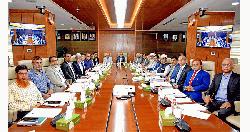
EIB Global, the development arm of the European Investment Bank, has announced a €60 million financing agreement with BRAC Bank PLC in Bangladesh, marking the longest-tenor funding ever extended by a development finance institution to a commercial bank in Bangladesh.
The 12-year facility comprises a €40 million microfinance loan and a €20 million framework loan to accelerate green and circular investments by local companies, said a press release.
The €40 million EIB loan is expected to support more than 2,500 small enterprises in Bangladesh.
The financing will enable investments in cleaner production, resource efficiency, waste reduction,
renewable energy and modern equipment, with the full amount contributing to climate action and environmental sustainability.
In practical terms, supported initiatives may include solar rooftop photovoltaic systems, greener buildings, improved waste management, the replacement of inefficient refrigerators in retail shops and washing machines in laundromats, the deployment of electric two-and three-wheel vehicles, the promotion of clean cooking solutions, and improved access to safe water through rainwater harvesting and household water filters.
The €20 million framework loan will also finance projects to accelerate the transition to sustainable and circular production in the Bangladeshi private sector across the ready-made garment, textile and other export focused sectors.
Bangladesh is one of the world’s leading apparel producers and the second largest source of apparel for the European Union (EU).
As EU buyers and legislation increasingly require more sustainable and transparent supply chains, access to long-term green finance is becoming essential for local suppliers to remain competitive and continue supplying European markets.
The loan will help companies to meet rising sustainability standards and strengthen the trade between Bangladesh and the EU.
“Bangladesh’s garment and textile sectors are central to the country’s economy and deeply connected to European markets,” said EIB Vice-President Nicola Beer.
“By partnering with BRAC Bank, a globally recognised institution for financial inclusion, EIB Global is helping businesses modernise production, use resources more efficiently and meet higher sustainability standards. This is good for climate action, good for trade and good for the long-term resilience of Bangladesh’s private sector.”
“BRAC Bank has long supported entrepreneurs and businesses that are central to Bangladesh's
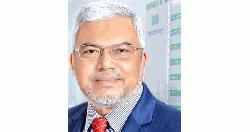
growth story,” said Managing Director and CEO of BRAC Bank, Tareq Refat Ullah Khan.
“This partnership with the European Investment Bank marks an important step in accelerating green and circular investments across the country's industrial value chains. The financing will help businesses modernise operations, improve resource efficiency and meet evolving global sustainability standards, strengthening Bangladesh's competitiveness in international markets while supporting a more resilient and sustainable economy."
“This partnership is a strong example of Global Gateway in action, bringing European investment together with Bangladeshi entrepreneurship to support a greener, more competitive and more resilient economy,” said Ambassador and Head of Delegation of the European Union to Bangladesh, Michael Miller.
“It will enable businesses in the textile and garment value chains to invest in cleaner technologies, circular solutions and energy efficiency, strengthening sustainable trade between Bangladesh and the European Union while supporting climate action, decent work and long-term growth.”
The European Investment Bank (ElB) Group is the financing arm of the European Union, owned by the 27 Member States, and one of the largest multilateral development banks in the world.
In 2025, the EIB Group signed €100 billion of new financing and advisory services for over 870 high-impact projects in eight core priorities that support EU policy objectives: climate action and the environment, digitalisation and technological innovation, security and defence, territorial cohesion, agriculture and the bioeconomy, social infrastructure, strong global partnerships and the savings and investment union.
The 12-year facility comprises a €40 million microfinance loan and a €20 million framework loan to accelerate green and circular investments by local companies, said a press release.
The €40 million EIB loan is expected to support more than 2,500 small enterprises in Bangladesh.
The financing will enable investments in cleaner production, resource efficiency, waste reduction,
renewable energy and modern equipment, with the full amount contributing to climate action and environmental sustainability.
In practical terms, supported initiatives may include solar rooftop photovoltaic systems, greener buildings, improved waste management, the replacement of inefficient refrigerators in retail shops and washing machines in laundromats, the deployment of electric two-and three-wheel vehicles, the promotion of clean cooking solutions, and improved access to safe water through rainwater harvesting and household water filters.
The €20 million framework loan will also finance projects to accelerate the transition to sustainable and circular production in the Bangladeshi private sector across the ready-made garment, textile and other export focused sectors.
Bangladesh is one of the world’s leading apparel producers and the second largest source of apparel for the European Union (EU).
As EU buyers and legislation increasingly require more sustainable and transparent supply chains, access to long-term green finance is becoming essential for local suppliers to remain competitive and continue supplying European markets.
The loan will help companies to meet rising sustainability standards and strengthen the trade between Bangladesh and the EU.
“Bangladesh’s garment and textile sectors are central to the country’s economy and deeply connected to European markets,” said EIB Vice-President Nicola Beer.
“By partnering with BRAC Bank, a globally recognised institution for financial inclusion, EIB Global is helping businesses modernise production, use resources more efficiently and meet higher sustainability standards. This is good for climate action, good for trade and good for the long-term resilience of Bangladesh’s private sector.”
“BRAC Bank has long supported entrepreneurs and businesses that are central to Bangladesh's
growth story,” said Managing Director and CEO of BRAC Bank, Tareq Refat Ullah Khan.
“This partnership with the European Investment Bank marks an important step in accelerating green and circular investments across the country's industrial value chains. The financing will help businesses modernise operations, improve resource efficiency and meet evolving global sustainability standards, strengthening Bangladesh's competitiveness in international markets while supporting a more resilient and sustainable economy."
“This partnership is a strong example of Global Gateway in action, bringing European investment together with Bangladeshi entrepreneurship to support a greener, more competitive and more resilient economy,” said Ambassador and Head of Delegation of the European Union to Bangladesh, Michael Miller.
“It will enable businesses in the textile and garment value chains to invest in cleaner technologies, circular solutions and energy efficiency, strengthening sustainable trade between Bangladesh and the European Union while supporting climate action, decent work and long-term growth.”
The European Investment Bank (ElB) Group is the financing arm of the European Union, owned by the 27 Member States, and one of the largest multilateral development banks in the world.
In 2025, the EIB Group signed €100 billion of new financing and advisory services for over 870 high-impact projects in eight core priorities that support EU policy objectives: climate action and the environment, digitalisation and technological innovation, security and defence, territorial cohesion, agriculture and the bioeconomy, social infrastructure, strong global partnerships and the savings and investment union.
Loading...
Loading...
Also read




Editor : Iqbal Sobhan Chowdhury
Published by the Editor on behalf of the Observer Ltd. from Globe Printers, 24/A, New Eskaton Road, Ramna, Dhaka.
Editorial, News and Commercial Offices : Aziz Bhaban (2nd floor), 93, Motijheel C/A, Dhaka-1000.
Phone: PABX- 41053001-06; Advertisement: 41053012; 01793317829, 01550707291, E-mail: [email protected], [email protected] Online: email: [email protected] 41053014; 01550707297 Advertisement: 01550707296
Published by the Editor on behalf of the Observer Ltd. from Globe Printers, 24/A, New Eskaton Road, Ramna, Dhaka.
Editorial, News and Commercial Offices : Aziz Bhaban (2nd floor), 93, Motijheel C/A, Dhaka-1000.
Phone: PABX- 41053001-06; Advertisement: 41053012; 01793317829, 01550707291, E-mail: [email protected], [email protected] Online: email: [email protected] 41053014; 01550707297 Advertisement: 01550707296


